New Delhi: Pinaka Aerospace has reportedly secured a ₹41 crore contract from the Defence Research and Development Organisation (DRDO) to supply an advanced radar testing system to its Electronics and Radar Development Establishment (LRDE). The project is aimed at strengthening India’s ability to test and integrate advanced airborne radar systems. The reported order highlights the growing role of Indian private companies in developing critical defence technologies and supporting the country’s self-reliance goals.
Details of Pinaka Aerospace DRDO Airborne Radar Testing Deal
According to the November 21 report, Pinaka Aerospace Solutions Pvt. Ltd. has emerged as the successful bidder for a ₹41 crore contract to supply a Radar Integration Rig-cum-Automatic Test Equipment (RIR-ATE) system to LRDE.
Read also: Tejas Mk1A Radar Row: Why HAL Chose Israeli EL/M-2052 Over India’s Uttam AESA
The report states that the company won the contract through a competitive bidding process, defeating AutoTEC Systems Pvt. Ltd.
LRDE is a Bengaluru-based laboratory under DRDO that works on advanced radar technologies for the Indian Armed Forces. The reported contract is expected to strengthen the laboratory’s ability to test and integrate airborne radar systems.
What Is The RIR-ATE System
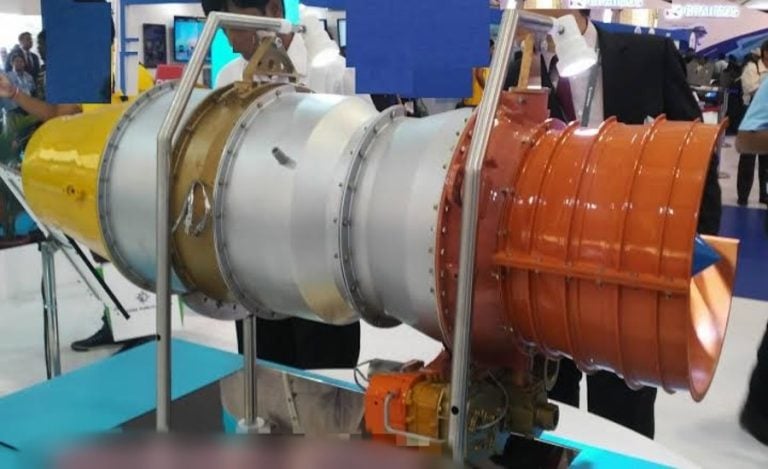
The Radar Integration Rig-cum-Automatic Test Equipment (RIR-ATE) is a specialised ground-based testing system.
It is designed to help engineers integrate, examine and test different parts of an airborne radar before the system is used on an aircraft.
The equipment can support the testing of both radar hardware and software. This allows engineers to identify technical problems and check system performance under controlled conditions.
Such testing is important because airborne radar systems must work reliably in demanding operating conditions.
Why Is Airborne Radar Testing Important For India
Airborne radar systems play an important role in modern military operations.
They help military aircraft detect, track and monitor objects in the air. They are also important for surveillance, situational awareness and other defence missions.
These technologies are particularly important for fighter aircraft and airborne surveillance platforms.
A dedicated radar testing system can help engineers identify problems before the radar is installed on an operational aircraft.
It can also reduce the need for repeated aircraft-based testing, saving both time and development costs.
DRDO Is Strengthening India’s Indigenous Radar Testing Infrastructure
India is already investing in advanced testing facilities to support the development of indigenous radar technologies.
In its June 2026 newsletter, DRDO reported the inauguration of an Airborne Radar Integration and Test Facility (ARITF) at LRDE, Bengaluru, on April 11, 2026.
The facility is designed to support the integration, validation and testing of airborne radar systems.
One of its important features is a planned six-degrees-of-freedom (6-DoF) radar target simulator with an anechoic chamber and specialised instruments.
This technology will help engineers simulate realistic operating conditions and examine radar performance through closed-loop testing.
DRDO has highlighted that such facilities will improve India’s ability to develop, integrate and validate next-generation airborne radar technologies.
The reported RIR-ATE contract should be viewed in the context of this wider effort to strengthen India’s radar testing capabilities.
About Pinaka Aerospace
Pinaka Aerospace Solutions Pvt. Ltd. is an Indian defence and aerospace technology company established in 2007.
The company works in several specialised areas, including radar and electronic warfare systems, airborne avionics, automatic test equipment and hardware-in-the-loop simulators.
Its solutions also cover test rigs, simulators, calibration systems, data acquisition systems and defence electronics.
The company states that its technologies and services support several important platforms, including Tejas, Jaguar and Sukhoi-30 aircraft, along with missile systems, naval frigates and other defence platforms.
The reported ₹41 crore order could further strengthen its position in India’s defence electronics and aerospace testing industry.
FAQs
The RIR-ATE system is designed to support the integration, validation and performance testing of airborne radar systems before their deployment on operational aircraft.
Pinaka Aerospace has reportedly secured a contract worth ₹41 crore from DRDO’s LRDE for supplying a Radar Integration Rig-cum-Automatic Test Equipment (RIR-ATE) system.
LRDE stands for Electronics and Radar Development Establishment. It is a DRDO laboratory based in Bengaluru that works on radar technologies for India’s Armed Forces.