Gandhinagar: The Gujarat government has announced a ₹60 crore allocation to set up new bio-CNG plants through cooperative milk production societies, aiming to transform the dairy sector into a clean energy hub and strengthen the rural economy.
The initiative is being implemented under the leadership of Bhupendra Patel, aligning with India’s broader push for sustainable development and energy self-reliance.
Banas Bio-CNG Model Adopted by 15 States
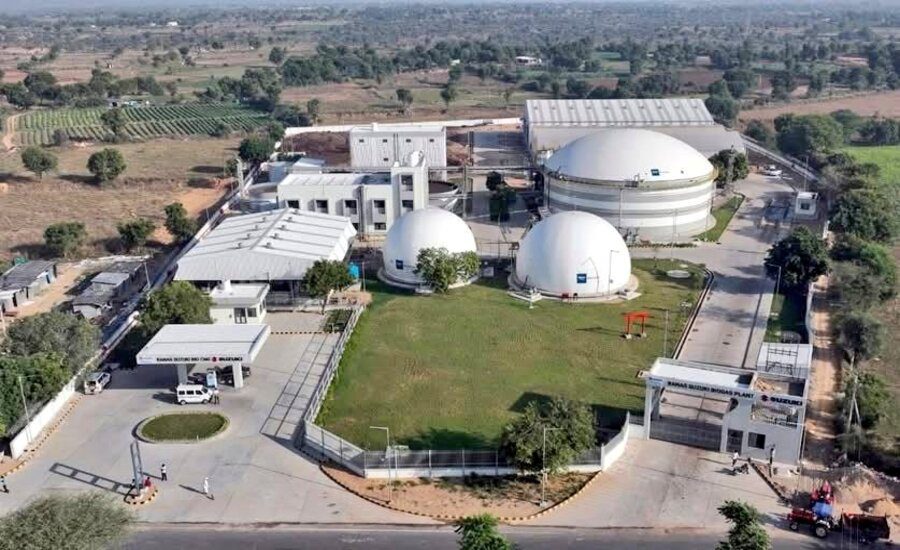
The successful bio-CNG model developed in Banaskantha district by Banas Dairy is now being replicated by nearly 15 states. This expansion is being facilitated through the joint efforts of the Ministry of Jal Shakti and the Ministry of Cooperation, making it a national benchmark in sustainable rural development.
Plan to Set Up 10 Bio-CNG Plants Across Gujarat
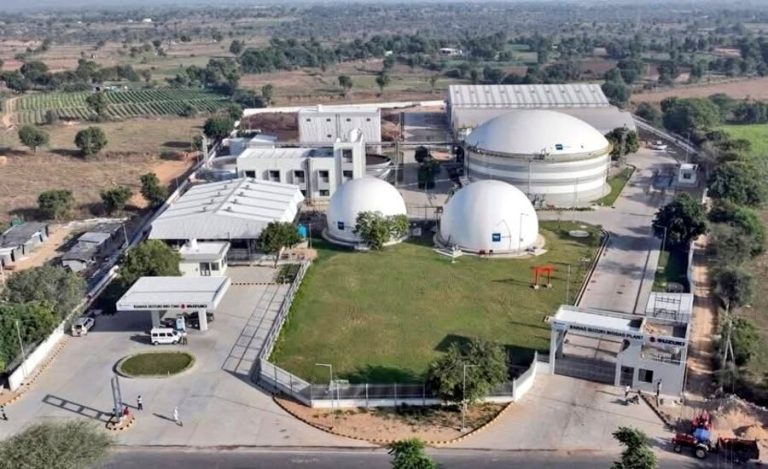
The state government has proposed a phased plan to establish around 10 bio-CNG plants. These plants convert organic waste such as cow dung, agricultural residue, and food waste into purified compressed biogas used for transport and industrial fuel. This initiative aligns with the vision of Narendra Modi, focusing on ‘Waste to Wealth’, green energy, and an Aatmanirbhar Bharat.
Banaskantha Plants Show Proven Success
The existing bio-CNG plant in Banaskantha has been operational for over six years, processing 40 metric tonnes of cow dung daily.
Following its success:
- Five large plants are being developed in the district
- Two are already operational
- One is nearing completion
Each plant processes approximately 100 metric tonnes of dung per day and is built at a cost of ₹50–55 crore, showcasing advanced infrastructure and technology.
Boost to Farmers’ Income and Rural Employment
The bio-CNG model is significantly benefiting rural communities:
- Farmers from 20–25 villages supply dung
- Around 400–450 livestock farmers earn additional income
- Farmers are paid ₹1 per kilogram of dung
The system also generates local employment through transportation and logistics, with 13 tractor-trolleys engaged in collection activities.
Multi-Product Revenue Model Drives Profitability
The plants operate on a diversified revenue model, generating income from multiple outputs:
- 1,800 kg of bio-CNG daily (₹75/kg)
- 25 metric tonnes of solid organic fertilizer (₹6/kg)
- 75 metric tonnes of liquid fertilizer (₹0.50/kg)
This results in:
- ₹3 lakh+ daily revenue
- Up to ₹12 crore annual earnings per plant
Environmental Benefits and Climate Impact
The bio-CNG plants contribute significantly to environmental sustainability by reducing greenhouse gas emissions. Each plant is estimated to cut around 6,750 tonnes of CO2 equivalent emissions annually, supporting India’s climate goals and promoting eco-friendly energy solutions.
A Model for Sustainable Growth
The Gujarat bio-CNG initiative demonstrates how clean energy, agriculture, and rural development can work together. With national-level adoption of the Banas Dairy model, the project is emerging as a scalable solution for boosting farmer income, reducing waste, and advancing green energy.
Read also: Gujarat: Government Approves Rs 132.51 Crore Road Over Bridge at Deendayal Port to Boost Connectivity