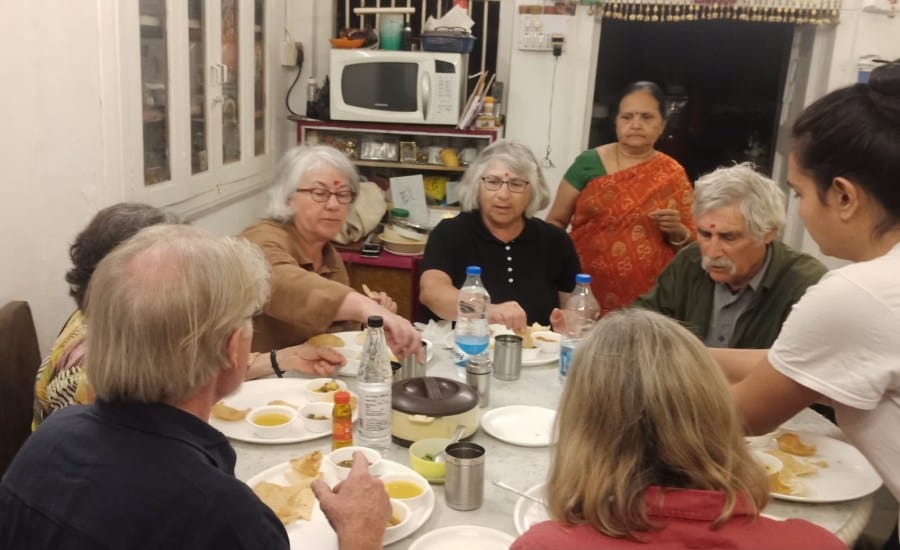
Gandhinagar: Gujarat is positioning homestays as an important part of its growing tourism and hospitality ecosystem, with 270 registered homestay units now offering travellers an opportunity to experience the state’s culture, cuisine, traditions and everyday life more closely.
The state Tourism Department introduced the Homestay Registration Policy in 2020 to provide tourists with an alternative to conventional hotels while encouraging local families to participate directly in tourism.
The model allows visitors to stay with local families and experience aspects of Gujarat that conventional accommodation may not always provide. It also creates opportunities for residents to earn additional income from tourism without depending entirely on large commercial establishments.
270 Registered Homestays Across Three Categories
Gujarat follows a graded system for homestays, similar to the classification used for hotels. Registered properties fall under Silver, Gold and Platinum categories, depending on their facilities and standards.
At present, the state has:
- 255 Silver-category homestays
- 8 Gold-category homestays
- 7 Platinum-category homestays
The categorisation provides travellers with a clearer understanding of the facilities available while encouraging operators to maintain defined standards.
For property owners, registration also provides an opportunity to become part of the state’s organised tourism network and gain greater visibility among potential visitors.
Read Also: Gujarat’s Dholera Set to Become India’s ‘Semicon City’ and AI Hub
Beyond Accommodation: Promoting Local Experiences
The significance of homestays goes beyond providing a place for tourists to spend the night.
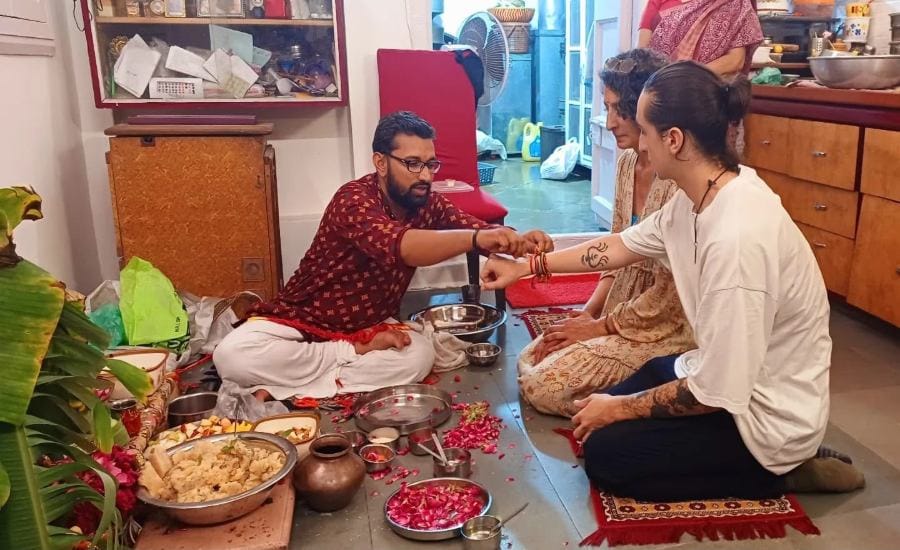
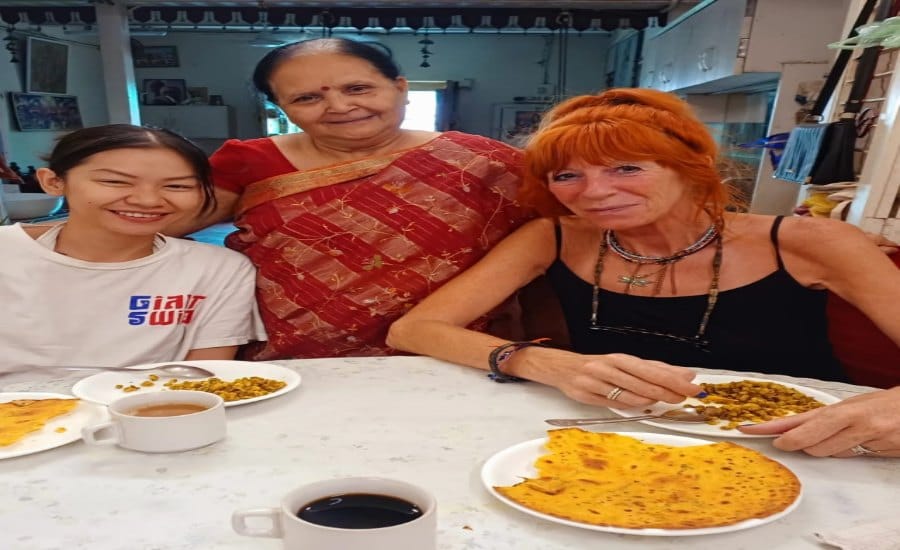
By staying with local families, visitors can experience traditional food, rural lifestyles, indigenous handicrafts and local customs. This creates a more personalised form of tourism where the community itself becomes part of the visitor experience.
Such experience-based tourism can also create demand for locally produced goods and services. Artisans, food producers, guides, transport providers and other small businesses can benefit when tourists spend more time within local communities.
The model is particularly relevant to rural areas, where tourism income can reach households and small enterprises directly.
Supporting Rural Employment and Women
The expansion of homestays can help distribute the economic benefits of tourism beyond Gujarat’s major urban and established tourist centres.
For local families, operating a homestay can provide a supplementary source of income. It can also create opportunities for women to participate in hospitality, food preparation, local experiences and property management.
At the same time, visitors get an opportunity to understand Gujarat through the people who live there, making tourism a two-way exchange between travellers and host communities.
This community-based approach can strengthen the connection between tourism, local employment and cultural preservation.
Training and Marketing Support for Operators
The Office of the Tourism Commissioner provides short-term training and marketing guidance to homestay operators.
The government also publishes information about registered homestays through the Gujarat Tourism Corporation website, making it easier for tourists to discover these properties while planning their trips.
For prospective operators, the registration process is conducted online through the Office of the Tourism Commissioner. After applicants submit the required documents, officials conduct a physical inspection of the property.
The unit is then assigned a Silver, Gold or Platinum rating based on its facilities and applicable standards.
Homestays Could Help Meet Future Accommodation Demand
Gujarat’s tourism sector is expected to see greater accommodation demand as the state hosts major national and international events, festivals, conventions and other tourism-related programmes.
In this environment, homestays can complement conventional hotels by expanding the range of accommodation available to visitors.
They can also help tourists explore destinations and communities beyond major commercial tourism hubs. This is particularly valuable when visitors are looking for local experiences rather than standard hotel-based stays.
The growth of registered homestays therefore has implications not only for accommodation capacity but also for how tourists experience the state.
What Homestay Operators Say
For operators, the policy has also created a structured platform to connect their properties with Gujarat’s tourism ecosystem.
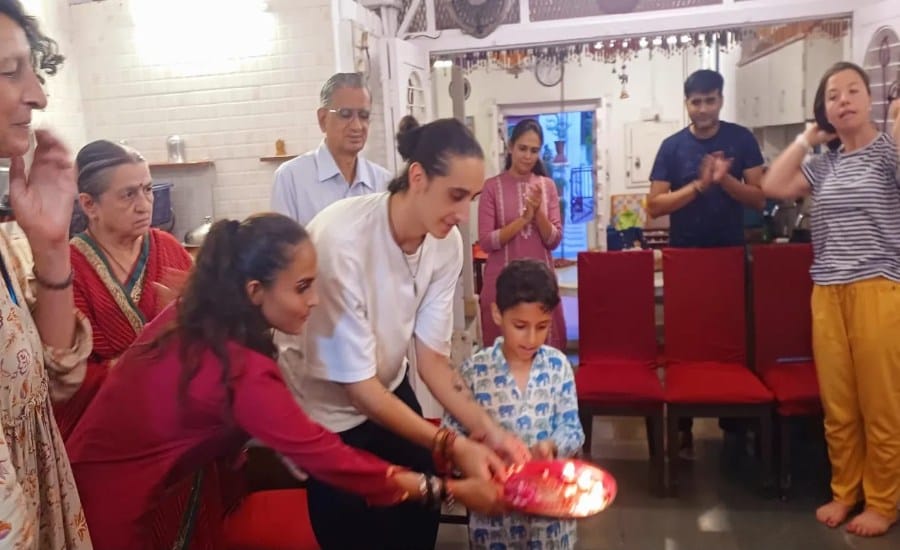
Harsimrat Kaur Lakhbir Singh Dang, a homestay operator from Ahmedabad, said registration under Gujarat Tourism had given her venture greater credibility and helped her offer visitors a closer experience of Gujarat’s culture and hospitality.
She described the homestay model as more than providing accommodation, saying it allows families to share their local stories, traditions and heritage with travellers.
Similarly, Aditya Roy of Dang Forest Retreat highlighted the importance of responsible tourism in the ecologically sensitive Dang region.
He said the support provided through training and marketing had helped the property focus on experiences involving nature, indigenous cuisine, tribal traditions and sustainable living.
According to Roy, tourism in sensitive ecosystems should focus on meaningful, high-value experiences while keeping environmental impact low and creating economic opportunities for local communities.
A Community-Centred Future for Gujarat Tourism
The expansion of Gujarat’s homestay network reflects a wider shift towards experience-driven and community-based tourism.
With 270 registered properties already part of the system, the model provides a way to connect visitors with local culture while opening additional income opportunities for households, artisans and small businesses.
As tourism expands in Gujarat, homestays could become an important bridge between hospitality, cultural preservation and local economic development. Their growth can help ensure that the benefits of tourism reach communities beyond major cities and established tourist destinations.
Read Also: Gujarat to Become Global Sports Hub, Says Amit Shah at World Para Archery Event