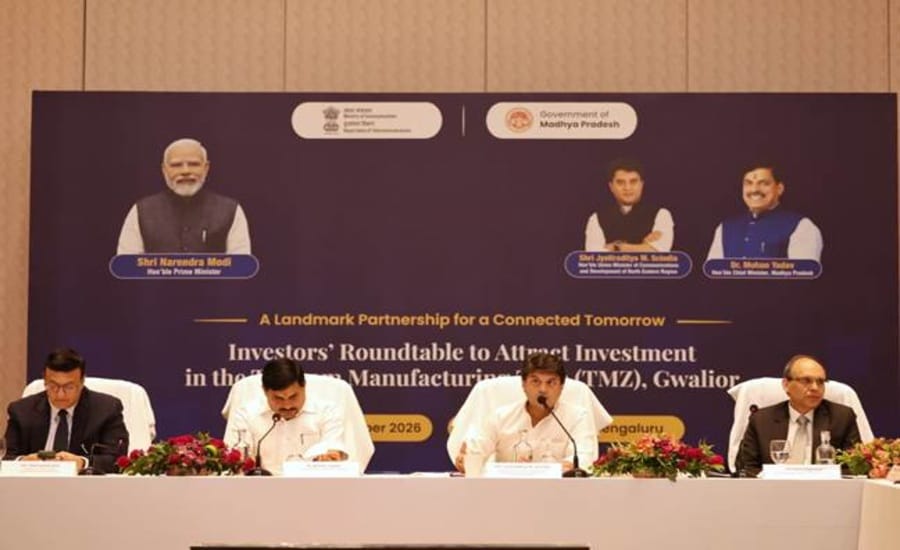
Bhopal: Gwalior’s proposed Telecom Manufacturing Zone (TMZ) is gaining momentum as 24 companies have joined the investment process for a project linked to proposals worth ₹5,500 crore. The Department of Telecommunications (DoT) held its third investors’ roundtable in Bengaluru on September 22, where companies also proposed another ₹700–800 crore, subject to management approval.
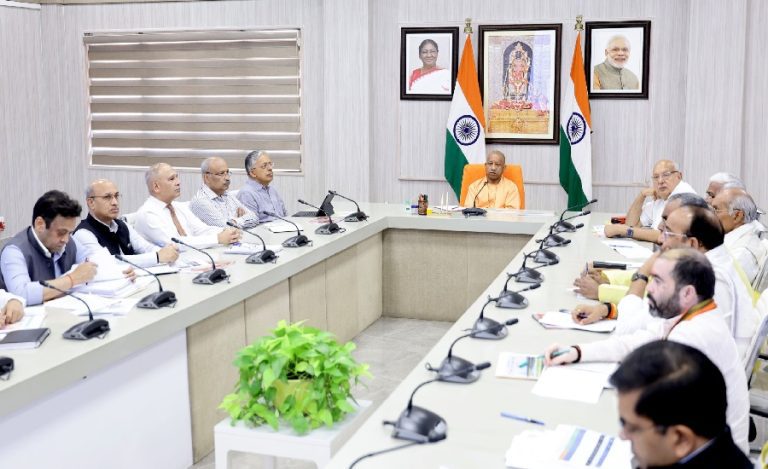
The roundtable was chaired by Union Communications Minister Jyotiraditya Scindia and Madhya Pradesh Chief Minister Mohan Yadav. It brought together stakeholders from the telecom, technology, semiconductor and electronics sectors to discuss manufacturing, investment, research and development, innovation and exports.
24 Companies Join the Gwalior Investment Drive
The ₹5,500 crore investment figure follows investor meetings held in Delhi and Mumbai. According to the Department of Telecommunications, the Delhi roundtable generated commitments of around ₹3,500 crore, while the Mumbai meeting added around ₹2,000 crore. Together, these commitments were linked to around 18,000 potential employment opportunities.
The latest Bengaluru meeting added further investor interest. Companies proposed investments between ₹700 crore and ₹800 crore after internal management consideration, while several firms indicated that they would visit Gwalior to evaluate the proposed site.
The project is being developed as more than a single industrial unit. The government envisages an ecosystem of telecom manufacturing units producing equipment and components, along with facilities for research, innovation and related activities. A recent PIB update said 24 companies had initiated the application process for the proposed ₹5,500 crore investment.
Read Also: MP CM Mohan Yadav Seeks Tech Investments in Bengaluru as Companies Discuss ₹500 Crore-Plus Proposals
₹493 Crore Central Support for Phase-I
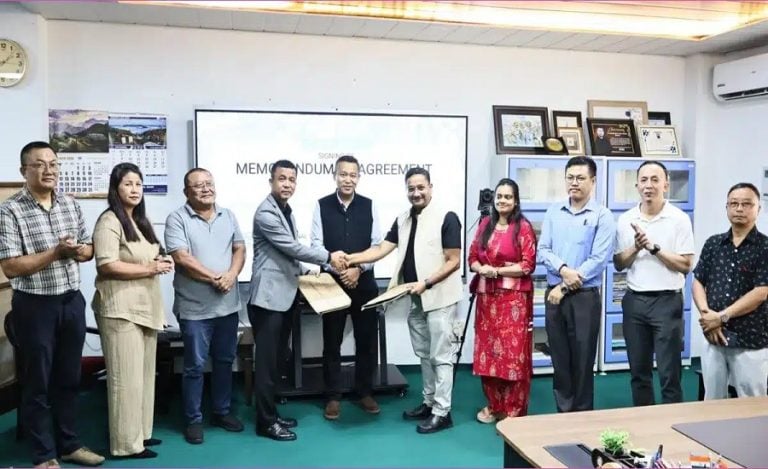
The foundation for the project was laid in July 2026 when the Department of Telecommunications and the Madhya Pradesh government signed an MoU for Phase-I of the Telecom Manufacturing Zone at Gwalior.
Under the agreement, the Central Government is providing 100 per cent funding support of ₹493 crore for Phase-I infrastructure. Madhya Pradesh has provided approximately 170 acres of land free of cost, along with investor incentives.
The proposed zone will function as a plug-and-play industrial cluster, bringing together manufacturing, research and development, innovation and allied activities.
The project is expected to cover areas such as mobile devices, optical fibre, telecom equipment and next-generation 5G and 6G technologies.
Focus on Domestic Telecom Manufacturing
At the Bengaluru meeting, Scindia said the government wants India to move beyond being primarily a telecom services provider and expand its capabilities in telecom product manufacturing.
The focus, according to the minister, is on increasing domestic value addition, developing intellectual property in India and creating products designed and manufactured in the country for global markets.
The broader objective is to strengthen domestic supply chains and create a stronger manufacturing ecosystem around telecom and electronics.
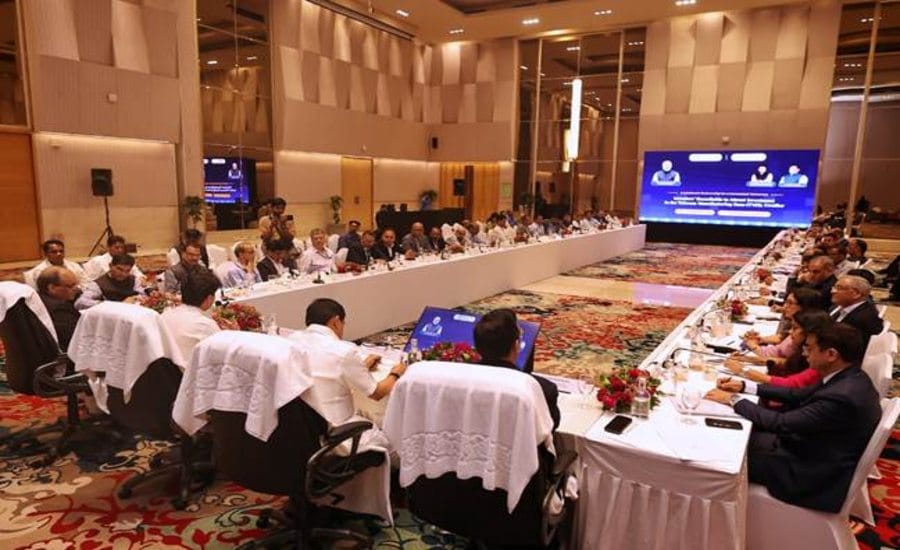
The Bengaluru roundtable also gave companies an opportunity to discuss requirements related to manufacturing, product development, semiconductor technologies, research and next-generation communication technologies.
Scindia also said the government would work to address investor queries and issues related to the TMZ within 48 hours.
MP Offers Incentives and Industrial Infrastructure
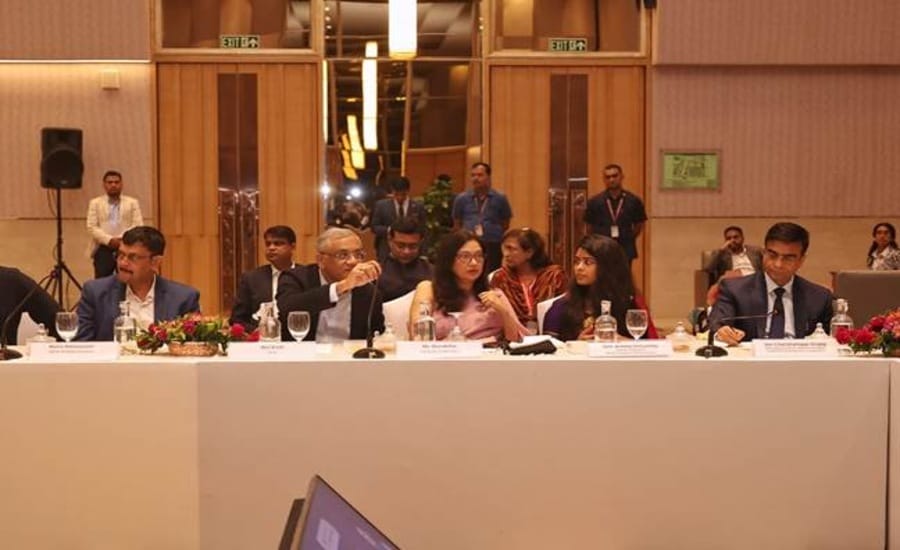
Chief Minister Mohan Yadav highlighted Madhya Pradesh’s location, infrastructure and investment ecosystem while interacting with potential investors.
The state government has indicated incentives and subsidies of around ₹8,000 crore, according to Scindia’s remarks at the event. The state has also made land available for the first phase of the Gwalior project.
The proposed investment is expected to strengthen Gwalior’s industrial base while creating opportunities linked to telecom equipment manufacturing, components, technology development and supporting industries.
A recent PIB inspection of the proposed site noted that around 170 acres have been identified for the first phase and that investor applications had already exceeded the available land, prompting consideration of additional land for expansion.
Government-Industry Partnership Behind the Project
The Telecom Manufacturing Zone is being implemented through a Special Purpose Vehicle (SPV) in which the Government of Madhya Pradesh holds 51 per cent equity, while the Department of Telecommunications holds 49 per cent.
Before the Bengaluru roundtable, Scindia also visited Qualcomm’s Bengaluru facility, where discussions covered telecom technologies, semiconductors, indigenous product development, research and innovation, and greater participation of technology companies in India’s telecom manufacturing ecosystem.
The government has positioned the Gwalior project within its wider push for domestic telecom manufacturing and the development of globally competitive Indian products.
With investor applications underway and further companies considering site visits, the next phase will focus on converting investment interest into manufacturing capacity, infrastructure and employment.
The Gwalior TMZ therefore represents a broader industrial development effort for Madhya Pradesh, while also forming part of India’s push to strengthen domestic telecom production, technology development and participation in global supply chains.
Read Also: MP’s Telecom Manufacturing Plan: Gwalior Zone Takes Centre Stage at Bengaluru Investor Meet