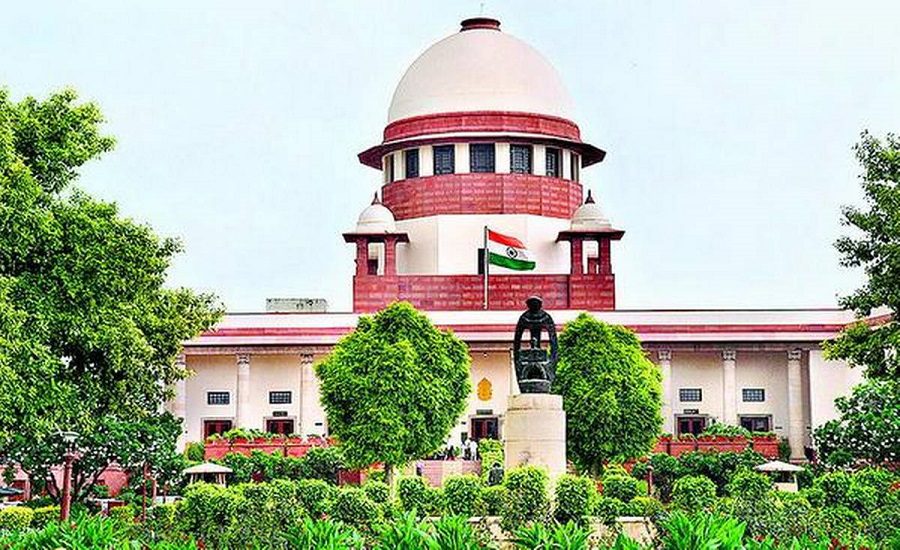
New Delhi: The Supreme Court has made a strong statement on the functioning of private universities. The Court has said that private universities cannot be run as profit-making institutions and has ordered governments across the country to collect detailed information about their finances, admissions, fees, staff recruitment, and grievance systems. The order came while hearing a case involving Amity University but has now expanded into a broader examination of private higher education across India.
Private Universities Financial Disclosure Ruling: A Student’s Petition Led To A Bigger National Review
The case began with a petition filed by Ayesha Jain against Amity University, Noida. Initially, the matter focused on issues related to the handling of a name change and its academic consequences. However, as the case progressed, the Supreme Court expanded its scope to examine how private universities across India are established, regulated, funded, and managed.
Private Universities Financial Disclosure Ruling: What Did The Supreme Court Say
A Bench led by Justices Ahsanuddin Amanullah and N.V. Anjaria made it clear that educational institutions cannot function like commercial businesses. According to the Court, universities may maintain a reasonable financial cushion for smooth operations, staff salaries, and institutional development, but they cannot divert funds for purposes unrelated to education.
The Court emphasized that the primary purpose of a university must remain education and student welfare rather than profit generation.
What is the Reason of Private Universities Financial Disclosure Ruling
The Supreme Court wants greater transparency in the higher education sector. To understand how private universities operate, it has directed States, Union Territories, and the Central Government to gather detailed information from institutions and submit affidavits within six weeks. The Court is seeking audited financial records covering the last five years.
These records must show how universities generated money, where the funds were spent, and whether any payments were made to individuals not directly connected with educational activities.
Private Universities Financial Disclosure Ruling: Information Universities Must Provide
Universities have been asked to disclose:
- Five years of audited financial statements.
- Sources of income.
- Details of expenditures.
- Investments and use of surplus funds.
- Payments made to outside individuals or organizations.
Government Benefits Received
The Court has also asked institutions to reveal:
- Land allotments received from governments.
- Tax benefits or legal relaxations.
- Any special privileges granted by authorities.
Admission And Fee Details
Universities must provide information on:
- Admission procedures for every course.
- Fee structures.
- Additional charges collected from students.
- Development fees and other special collections.
Staff Recruitment And Salaries
The Court wants transparency regarding:
- Recruitment procedures.
- Teacher and staff salaries.
- Employment conditions.
- Whether service rules were formally notified.
Student Complaints And Grievance Systems
Institutions must disclose:
- Complaint-handling mechanisms.
- Number of complaints received in the past three years.
- Time taken to resolve grievances.
- Outcomes of complaint proceedings.
Teaching Standards Also Under Scrutiny
The Supreme Court is not only examining finances. It has also asked for information on teaching quality, including the number of classes assigned to faculty members and how universities managed teaching when instructors were unavailable. The Court has further sought details regarding inspection reports and deficiencies identified by regulatory bodies over the past five years.
Private Universities Financial Disclosure Ruling: Hospitals Attached To Colleges Must Explain Their Relationship
Medical colleges linked with hospitals have also been brought under scrutiny. The Court has directed them to explain the nature of their relationship with associated hospitals and provide relevant operational details.
What Happens Next
The Centre, States, and Union Territories have been directed to collect information and file affidavits before the Court within six weeks. The affidavits must be personally verified by senior government officials, while regulators must file separate responses. The matter is scheduled for further hearing on November 19.
Read also: Why The Supreme Court Wants A New Complaint System For Women Advocates
FAQs
They must provide five years of audited accounts, fee structures, details of fund utilization, investments, surplus funds, and any government benefits received.
The Court wants to examine whether private universities are operating according to educational objectives and maintaining transparency in the use of their funds.
The Court stated that private universities cannot function as profit-making institutions, though they may maintain funds necessary for smooth educational operations.