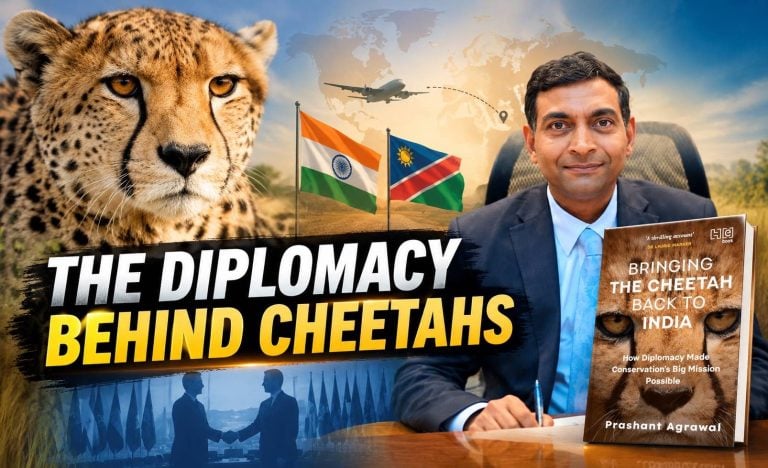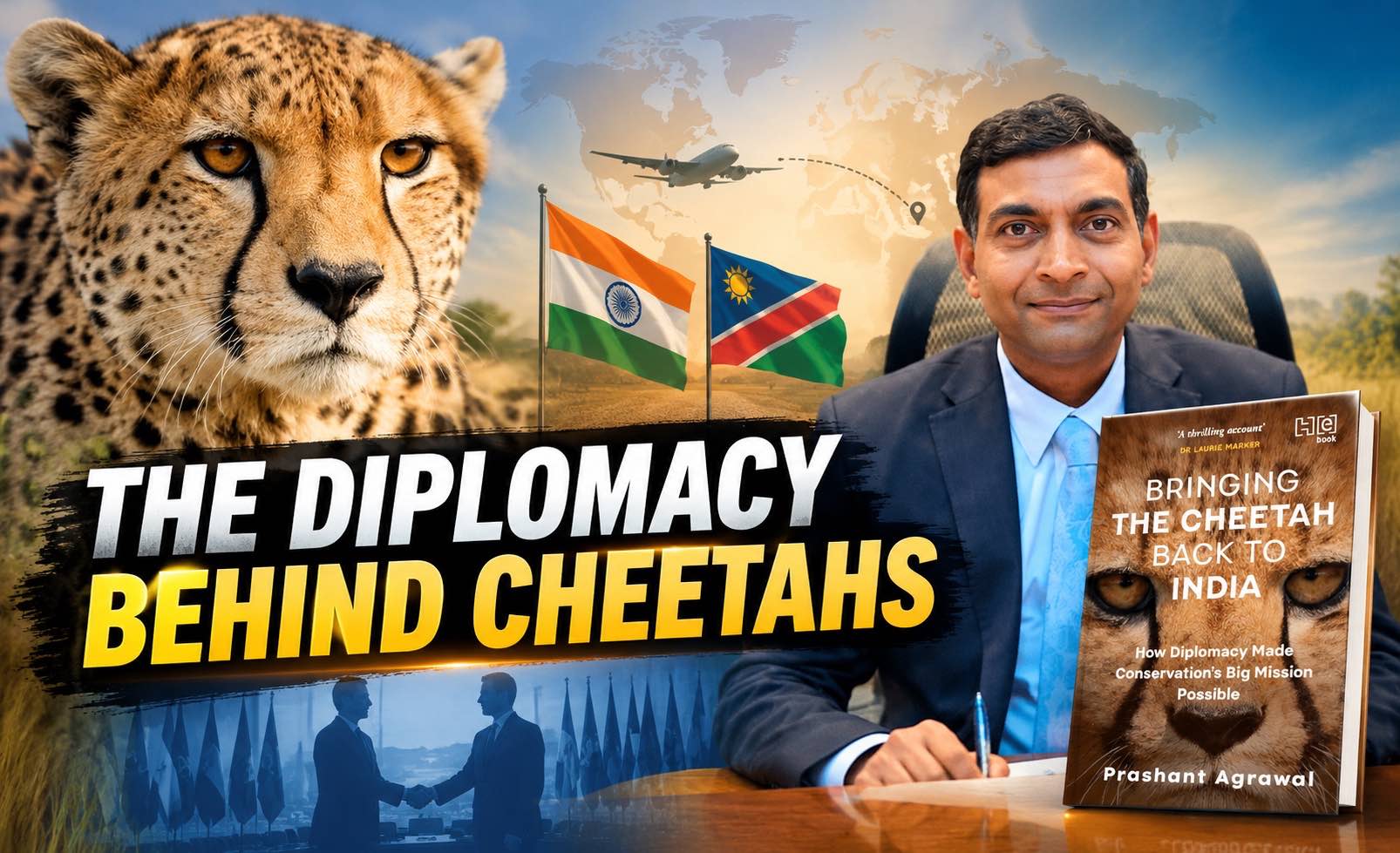
At first glance, this book may appear to be about the mesmerizing cheetah and its return to India after nearly seven decades. But it offers much more than the story of wildlife conservation. It gives readers a rare glimpse into the world of diplomacy, where Indian officers work behind the scenes, navigate complex negotiations and sometimes turn seemingly impossible tasks into reality.
One anecdote captures this beautifully. During negotiations to bring cheetahs from Namibia to India, the ambitious project reportedly reached a point when the operation itself appeared to be in jeopardy. What followed demonstrates how diplomatic engagement helped bring things back on track and pave the way for the historic translocation in 2022.
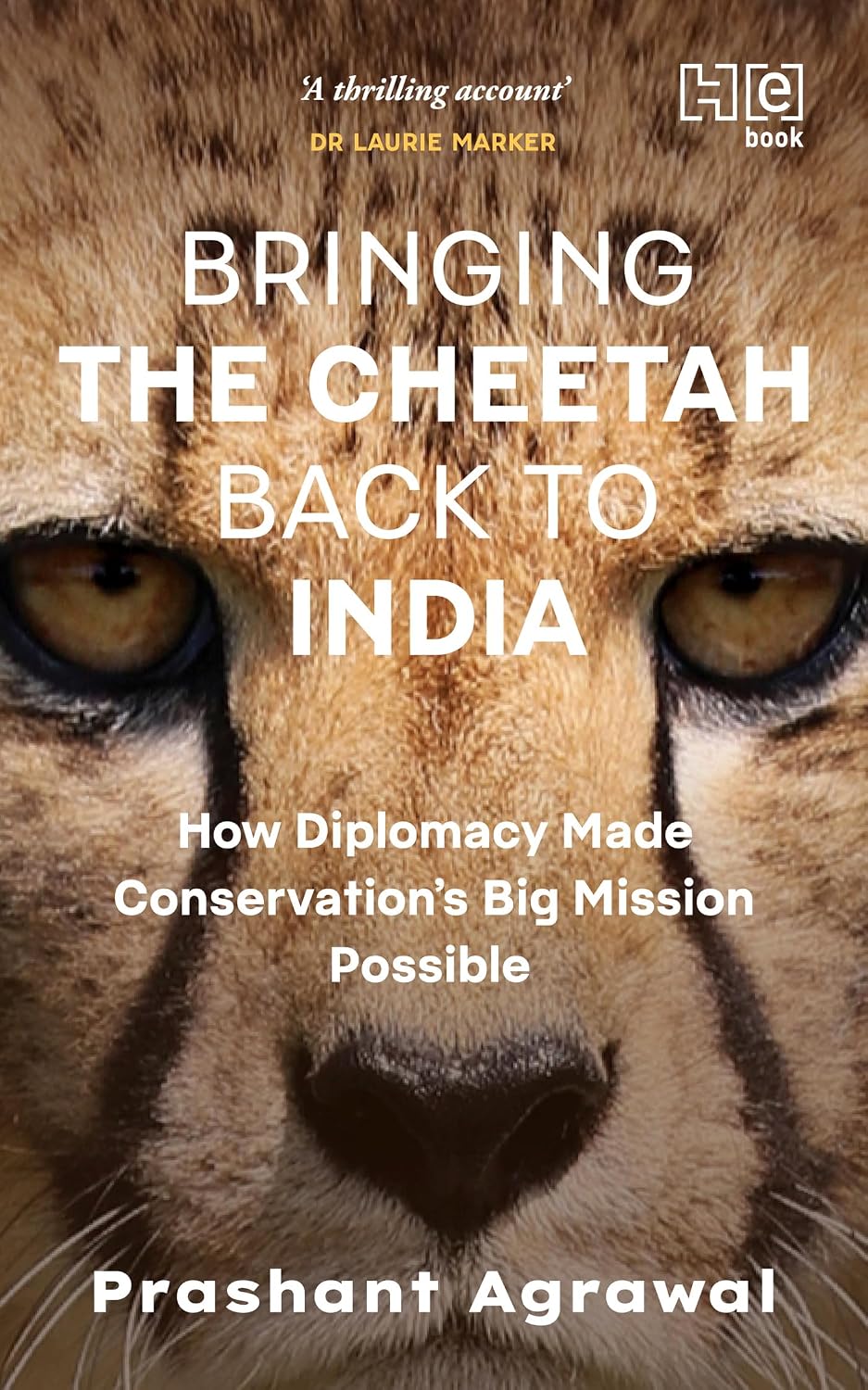
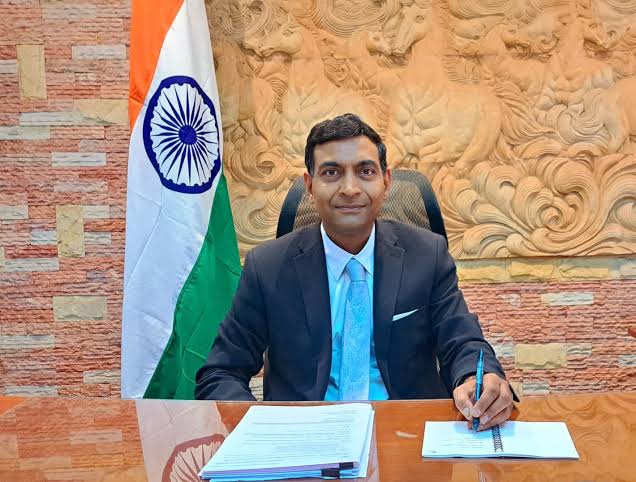
Written by Prashant Agrawal, a 1998-batch Indian Foreign Service (IFS) officer who played a key role in these negotiations as India’s High Commissioner to Namibia, Bringing the Cheetah Back to India: How Diplomacy Made Conservation’s Big Mission Possible unveils the human effort, political will and diplomatic perseverance behind one of India’s most ambitious conservation initiatives. Currently serving as Additional Secretary (South) in the Ministry of External Affairs (MEA), Mr Agrawal presents an inside account of how international negotiations and ecological restoration came together to make history.
It is a compelling reminder that behind every historic achievement lies a story of determination, negotiation and officers working quietly to make extraordinary things happen.
How It Started: Bringing Diplomacy to the Public
For IFS Agrawal, writing the book was an opportunity to introduce young Indians to the often-unseen work of diplomats and demonstrate how international negotiations can translate national priorities into tangible achievements.
After spending more than two and a half decades in the diplomatic service, Agrawal sought to make the workings of diplomacy more accessible to the general public, particularly students and young people from smaller cities. His intention was to demonstrate that Indians working in different parts of the world can contribute meaningfully to the country’s priorities and national objectives.
Read Also: Rare Cheetah Bond in Kuno: 2 Unrelated Males Hunt, Groom & Defend Territory Together
Diplomacy often remains distant from public understanding, with attention generally focused on official meetings, formal statements and announcements. The practical work that takes place behind these visible moments receives considerably less attention. Project Cheetah offered an ideal opportunity to bring this hidden dimension of international relations into the public domain.
While the arrival of cheetahs attracted national attention, the negotiations, coordination and administrative challenges that preceded their arrival largely remained outside the public eye.
His personal connection with India’s cultural and geographical diversity also influenced the project. Having grown up in a small town in Rajasthan, with family connections to Lucknow through his grandfather, he was particularly interested in reaching readers beyond the country’s metropolitan centres.
The larger idea was to bring diplomacy, conservation and environmental protection closer to young people who might otherwise never consider these subjects as areas of interest or potential career paths.
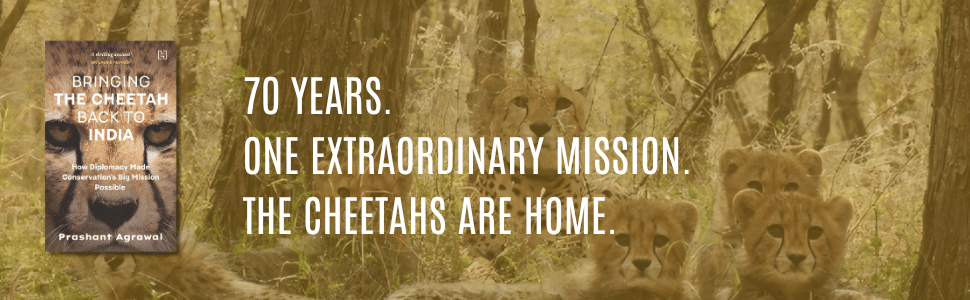
About the Book: The Untold Story Behind Project Cheetah
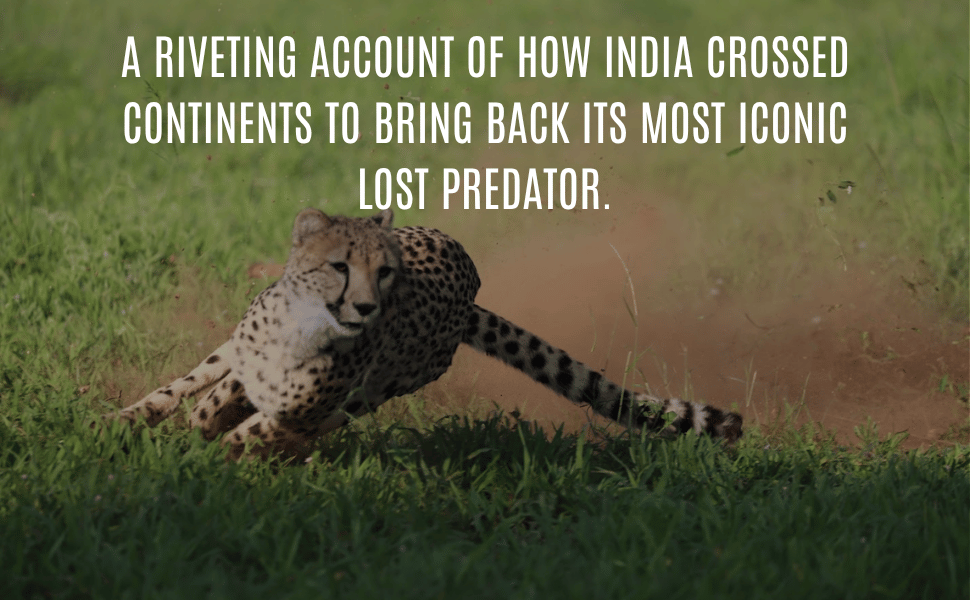
Spanning 224 pages, Bringing the Cheetah Back to India: How Diplomacy Made Conservation’s Big Mission Possible chronicles the diplomatic efforts behind the return of the world’s fastest land animal to India after approximately seven decades of extinction in the country.
The initiative required much more than identifying suitable animals and transporting them across continents. It involved international cooperation, negotiations with Namibia, coordination between Indian institutions and the ability to navigate complex logistical and administrative challenges.
The book takes readers from diplomatic engagements in Namibia to the fast-paced decision-making environment in New Delhi, illustrating how different stakeholders came together to make an ambitious conservation mission possible.
It also challenges the popular perception that diplomats have limited responsibilities while posted abroad. Their work extends beyond formal diplomatic engagements to include negotiations, coordination, problem-solving and the advancement of national priorities through international partnerships.
Project Cheetah demonstrates this wider role particularly well. Although the public largely witnessed aircraft arriving with the animals, the mission depended on extensive preparation, teamwork and a whole-of-government approach involving multiple institutions and stakeholders.
The book brings together insights into African countries, cheetah conservation, ecological restoration and diplomatic negotiations. Its accessible language makes the subject understandable to general readers, students, civil service aspirants and conservation enthusiasts who may not have a technical background in wildlife management or international relations.
Rather than functioning as a technical manual, the book tells the story of how diplomacy and conservation intersected to achieve an ambitious national objective.
When the Mission Faced Challenges
One of the most fascinating aspects of Project Cheetah is that ensuring its success was challenging. The initiative encountered difficult moments when logistical arrangements and institutional coordination threatened to complicate the mission.
These challenges highlight the practical realities of diplomacy. Achieving a national objective requires persistence, coordination and the ability to find workable solutions while remaining committed to fundamental principles.
The negotiations surrounding Project Cheetah reflected the need to balance determination with flexibility. Moving a complex international initiative forward required the identification of common ground, the resolution of competing concerns and the preservation of the larger purpose.
This balance is central to understanding the diplomatic journey behind the cheetahs’ return. Diplomacy is not merely about negotiations between governments; it is also about building trust, resolving differences and finding a middle path that enables diverse stakeholders to work towards a shared objective.
The experience offers a broader lesson in public administration and international cooperation: ambitious projects rarely progress without setbacks, and overcoming them requires both institutional coordination and the ability to adapt without abandoning core principles.
Is Project Cheetah a Success? Understanding the Long-Term Mission
The return of cheetahs has generated enormous public interest, but the project has also faced scrutiny over animal deaths and the difficulties of establishing a population in a new environment.
Assessing its progress requires an appropriate timeframe rather than relying solely on individual incidents. Project Cheetah was conceived as a medium- to long-term initiative, with its success requiring evaluation over a period of 15, 20 or even 25 years.
The diplomatic component primarily concerned bringing the animals to India. The subsequent responsibilities of management, monitoring, breeding and adaptation rest with forest officials, wildlife experts and the teams working on the ground.
These professionals play a critical role in translating the initial diplomatic achievement into a sustainable conservation programme.
The challenges encountered during the early stages were anticipated and accounted for in the cheetah action plan. The growing cheetah population, births in India and the increasing experience of the teams managing the animals represent encouraging developments in this continuing process.
Another crucial dimension is the relationship between wildlife conservation and local communities living around Kuno National Park in Madhya Pradesh.
The spirit of coexistence and tolerance demonstrated by local residents has been an important aspect of the project. No cheetah has been harmed by local people to date, highlighting the significance of community participation in conservation efforts.
The Cheetah Mitras initiative offers an opportunity to strengthen this relationship further. By involving local people in conservation activities and creating opportunities for eco-tourism, the programme can help ensure that communities living alongside wildlife also benefit from its presence.
Ultimately, the long-term success of Project Cheetah will depend not only on the survival and reproduction of the animals but also on the dedication of conservation professionals and the participation of communities sharing the landscape with them.
Why the Cheetah’s Return Matters Beyond Conservation
For Mr Agrawal, Project Cheetah carries significance beyond ecological restoration. Its importance can be understood through three interconnected dimensions: India’s civilisational relationship with wildlife, the reversal of a colonial-era legacy and the restoration of an ecological gap created by the disappearance of the species.
The strong public response whenever a cheetah is seen or dies demonstrates how deeply the animal’s return has connected with people across India. Newspaper coverage, television discussions and widespread public interest reflect an emotional connection that extends beyond the immediate boundaries of wildlife conservation.
The cheetah’s disappearance from India represented the loss of a species from the country’s natural landscape. Its return, therefore, can be viewed as a civilisational obligation to restore a part of the country’s natural heritage.
The initiative also brings attention to the historical context of the cheetah’s disappearance, linking its return to an effort to reverse a colonial legacy. At the same time, the project seeks to address the ecological gap created by the species’ absence.
Together, these dimensions make Project Cheetah significant beyond its immediate operational achievements. It represents an effort to reconnect India’s natural heritage with its contemporary conservation priorities while strengthening public interest in wildlife protection.
The initiative has also drawn attention to India’s potential role in supporting international wildlife conservation efforts and encouraging other countries to consider ambitious species-restoration programmes.
From India to the World: The Future of Big Cat Conservation
India’s cheetah initiative has the potential to inspire similar efforts elsewhere. International cooperation is particularly important for countries seeking to restore big cat populations and strengthen conservation programmes across their natural and historical ranges.
The International Big Cats Alliance represents an important platform for cooperation among countries working to strengthen big cat conservation.
Several international developments illustrate the growing interest in wildlife restoration. These include discussions concerning tiger reintroduction in Cambodia, efforts to reintroduce cheetahs in Saudi Arabia and Kazakhstan’s reintroduction of the Amur tiger.
India’s experience can offer lessons in international cooperation, political commitment and the practical challenges involved in bringing a species back to an environment where it has disappeared.
Such initiatives require more than the transfer of animals. They depend on coordination between governments, suitable ecological conditions, long-term management plans and sustained cooperation among the institutions responsible for implementation.
The broader international dimension of Project Cheetah also reflects the contributions of individuals working across different professional fields.
Senior forest officer S.P. Yadav (IFS:1989:Uttar Pradesh) has contributed to the International Big Cats Alliance and Project Cheetah, while Project Director Uttam Kumar Sharma, an Indian Forest Service (IFS) officer of 1999 batch, has played a role in implementing the initiative at Kuno National Park.
The book also briefly mentions Hamish Harding, the adventurer known for travelling to space and exploring the Mariana Trench. Harding was connected to Project Cheetah through his company, which supplied the aircraft used to transport the animals.
These details add a human dimension to the narrative, illustrating how a project of this scale brings together people and institutions from different professional backgrounds in pursuit of a common goal.
A Message for Young Indians: Diplomacy Can Change Things
Although Mr Agrawal’s direct professional responsibility for the cheetah translocation concluded when the animals reached Indian soil, he remains emotionally connected to the project.
The sustained public interest in the cheetahs’ return has transformed the initiative into a shared national experience, connecting people who were not directly involved in the negotiations with the larger conservation effort.
For young Indians, the story offers an opportunity to understand diplomacy and conservation as practical instruments of national development rather than distant or abstract subjects.
The book seeks to ignite an interest in both fields by showing how international negotiations can directly contribute to national priorities, environmental protection and cooperation between countries.
It also demonstrates that major national achievements are rarely the work of a single institution or individual. They emerge through sustained collaboration among diplomats, policymakers, technical experts, forest officials and local communities.
Project Cheetah brings these different contributions together in a single story. From negotiations in Namibia to decision-making in New Delhi, from the logistical challenges of transporting the animals to their management at Kuno National Park, every stage has required coordination and commitment.
For IFS officer Prashant Agrawal, the cheetah’s return is therefore both a conservation milestone and a lesson in what coordinated national effort can achieve.
Through Bringing the Cheetah Back to India: How Diplomacy Made Conservation’s Big Mission Possible, readers gain an inside view of the journey and an opportunity to look beyond the arrival of the animals to understand the negotiations, perseverance and collective commitment that helped make their return possible.
The story ultimately demonstrates that diplomacy can extend far beyond conference rooms and official agreements. When combined with political will, institutional teamwork and a clear national purpose, it can help turn an ambitious conservation vision into reality.