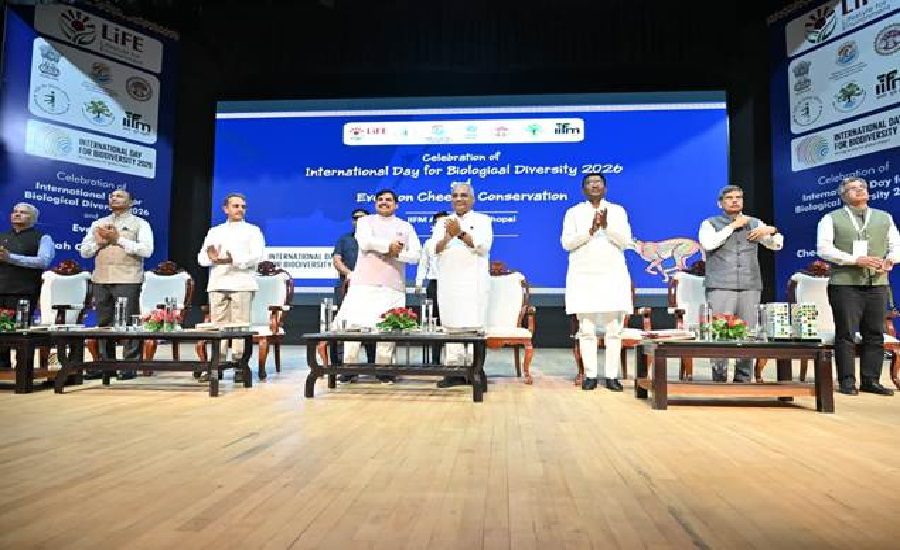
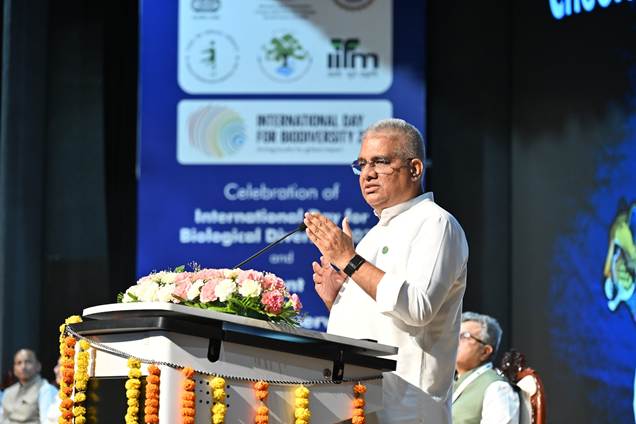
Bhopal: India reiterated its strong commitment to biodiversity conservation and community-led environmental action during the national-level celebration of the International Day for Biological Diversity (IDB) 2026 held at the Indian Institute of Forest Management (IIFM), Bhopal.
The event, themed “Acting Locally for Global Impact”, emphasized the importance of empowering local communities, strengthening ecological restoration, and promoting sustainable environmental practices.
The programme was jointly organised by the Ministry of Environment, Forest and Climate Change (MoEFCC), the Government of Madhya Pradesh, the National Biodiversity Authority (NBA), and the International Big Cat Alliance (IBCA).
Bhupender Yadav Stresses Importance of Local Community Participation
Union Environment Minister Bhupender Yadav said that achieving meaningful global environmental outcomes requires strong grassroots action and active participation from local communities.
Addressing the gathering, he highlighted India’s rich biodiversity heritage and traditional ecological knowledge systems. He noted that India is one of the world’s megadiverse countries, with ecosystems ranging from:
- Himalayan regions
- Forests and wetlands
- Grasslands and deserts
- Coastal and marine ecosystems
The minister said traditional conservation practices such as sacred groves, folk crop varieties, and community stewardship reflect the deep connection between people and nature.

India Strengthening Biodiversity Governance Through ABS Framework
Bhupender Yadav reiterated India’s commitment to implementing the Convention on Biological Diversity and the Kunming-Montreal Global Biodiversity Framework.
He said the Biological Diversity Act, 2002 has created a strong decentralised framework through:
- National Biodiversity Authority (NBA)
- State Biodiversity Boards
- Biodiversity Management Committees (BMCs)
Highlighting progress under the Access and Benefit Sharing (ABS) mechanism, the minister revealed that nearly ₹145 crore has been distributed to beneficiaries across the country, benefiting around 11,000 Biodiversity Management Committees.
He also stated that recent amendments to biodiversity laws and regulations have improved ease of doing business while ensuring fair benefits for local communities.
CM Mohan Yadav Highlights Madhya Pradesh’s Conservation Achievements
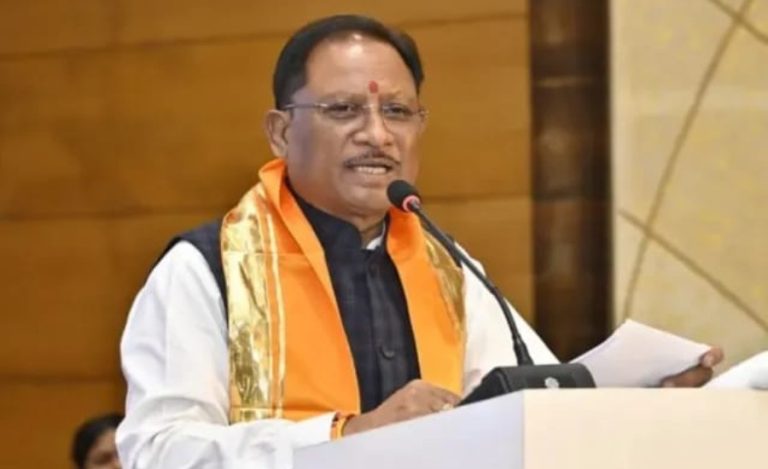
Madhya Pradesh Chief Minister Dr. Mohan Yadav described the state as a leading center for biodiversity conservation and wildlife protection in India.
He said Madhya Pradesh’s forests, wetlands, and river ecosystems support both ecological security and local livelihoods.
The Chief Minister highlighted the successful reintroduction of cheetahs in the state under Project Cheetah, calling it a landmark achievement in India’s conservation history.
According to him, the project has strengthened:
- Habitat conservation
- Scientific wildlife management
- Community participation in conservation efforts
Project Cheetah Seen as Milestone in Ecological Restoration
The Union Environment Minister said Project Cheetah, launched in 2022 through the world’s first intercontinental translocation of a large carnivore, reflects India’s commitment to biodiversity restoration and grassland ecosystem revival.
He added that the successful adaptation and breeding of cheetahs in India indicate encouraging progress in long-term species recovery efforts.
Biodiversity Linked to Climate Resilience and Sustainable Development
Union Minister of State for Environment Kirti Vardhan Singh said biodiversity conservation is directly connected to:
- Food security
- Water security
- Climate resilience
- Sustainable livelihoods
- Overall environmental protection
He also underlined the importance of traditional ecological wisdom and sustainable living practices promoted under the global Lifestyle for Environment (LiFE) movement.
New Reports, Films and Digital Initiatives Released
Several important publications and initiatives were launched during the event, including:
Key Releases at IDB 2026 Event
- Customized MyStamp
- India’s Biodiversity Report 2026
- National report on India’s progress under the Nagoya Protocol
- ABS End-to-End Portal
- Film on Access and Benefit Sharing
- Documentary on Amarkantak Biodiversity Heritage Site
- Film on conservation of Devlok Vans (Sacred Groves) in Madhya Pradesh
Exhibitions Showcase Community-Led Biodiversity Initiatives
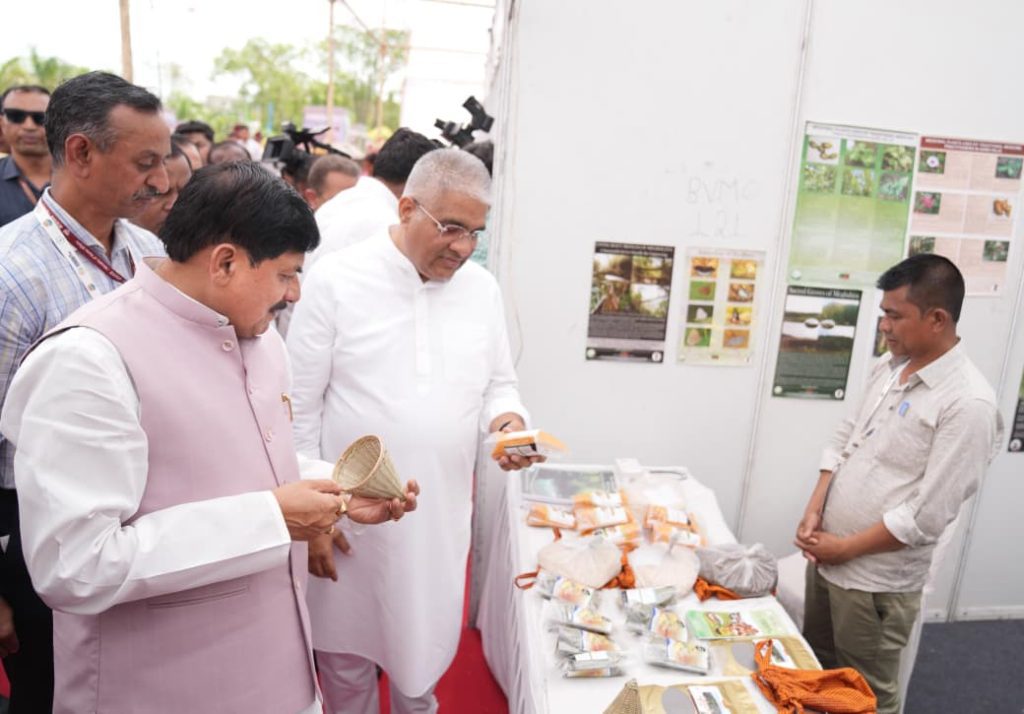
State Biodiversity Boards, Biodiversity Management Committees, academic institutions, industries, and conservation organisations showcased biodiversity-based products and conservation initiatives through thematic exhibitions.
The exhibition highlighted:
- Sustainable livelihood models
- Ecological restoration projects
- Bio-based innovations
- Community-led conservation practices
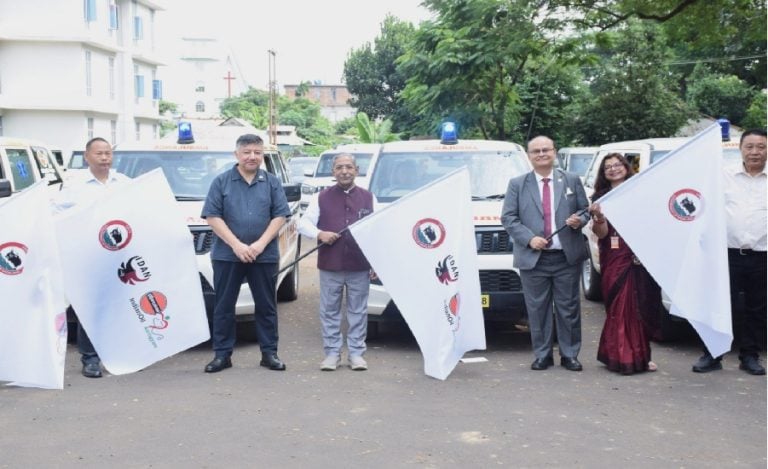
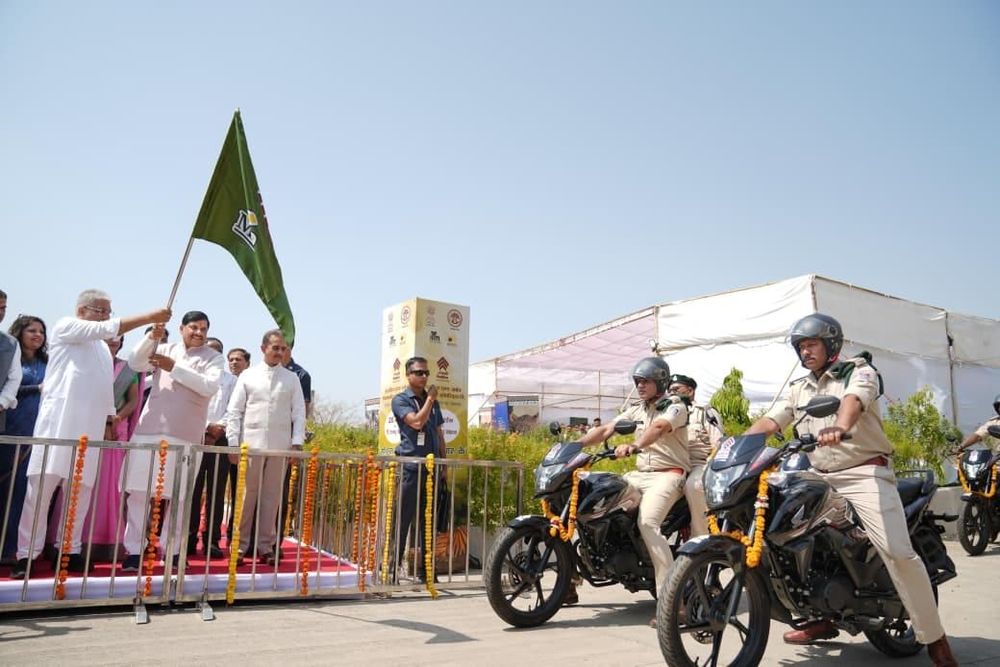
The dignitaries also flagged off 20 forest department bikes and one rescue truck during the event at IIFM Bhopal.
India Focuses on Community-Led Biodiversity Conservation
The celebration of International Day for Biological Diversity 2026 reinforced India’s growing emphasis on local participation, ecological restoration, and sustainable environmental governance.
With initiatives like Project Cheetah, ABS implementation, and stronger Biodiversity Management Committees, India aims to combine traditional knowledge with modern conservation strategies to protect biodiversity and ensure ecological security for future generations.