By – Irfan Rasool Wani, IFS, Chief Conservator of Forests Kashmir
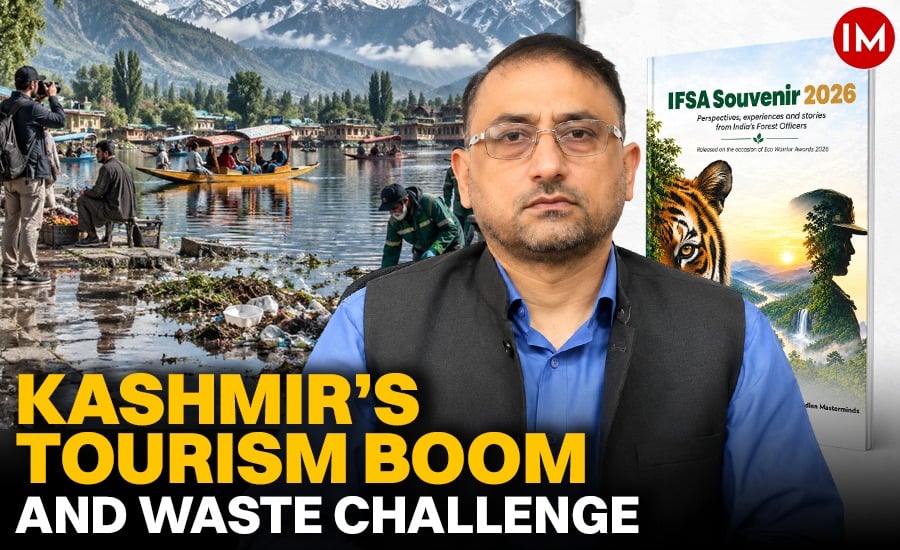
Kashmir’s breathtaking landscapes, snow-clad mountains, alpine meadows and pristine forests have long attracted travellers from across the world. Tourist destinations such as Gulmarg, Tangmarg, Gurez, Doodhpathri, Pahalgam, Sonamarg, Bangus Valley and Yousmarg witness an unprecedented influx of visitors. While tourism has emerged as a major driver of economic growth and livelihood generation, it has also given rise to an equally pressing environmental challenge—the mounting crisis of solid waste management in the fragile Himalayan ecosystem.
A significant proportion of Kashmir’s tourist destinations are located within or adjacent to forest areas. Every year, hundreds of thousands of tourists generate enormous quantities of plastic bottles, food packaging, disposable cutlery and other non-biodegradable waste. In the absence of adequate collection and disposal mechanisms, much of this waste eventually finds its way into forests, streams and wetlands, contaminating soil and water resources and threatening wildlife habitats. The challenge assumes even greater dimensions in trekking routes and off-beat destinations such as Tarsar-Marsar, Tosamaidan, Naranag, Bangus, Panchpathri, Brenwar and several alpine meadows that are increasingly becoming popular among adventure tourists. These remote locations lack organised waste management infrastructure, regular sanitation services and designated disposal facilities. Plastic waste abandoned by visitors and camping groups often remains scattered for years, disturbing the ecological balance of these sensitive mountain landscapes.
The Himalayan ecosystem is particularly vulnerable to environmental degradation owing to its steep terrain, rich biodiversity and limited regenerative capacity. Improper disposal of waste not only mars the scenic beauty of these destinations but also affects wildlife through ingestion of plastics and contamination of natural water sources. Open dumping attracts bears and other wild animals towards human habitations, increasing the risk of human-wildlife conflict.
Read Also: Conserving Species, Securing Spaces: Reimagining India’s Conservation Estate
Recognising the seriousness of the issue, the National Green Tribunal (NGT) has repeatedly emphasised the need for scientific waste management in tourist destinations in the Kashmir region. The Tribunal has issued notices and directions to ensure proper collection, segregation and disposal of waste generated at tourist sites. Simultaneously, the Government has strengthened the regulatory framework through the notification of Solid Waste Management Rules 2026, placing greater responsibility on local bodies and stakeholders for sustainable waste management.
Addressing this challenge requires a comprehensive and coordinated strategy involving government agencies, local communities, tourism stakeholders and visitors. Recognising the urgency of the situation, the Jammu & Kashmir Forest Department has risen to the occasion and initiated a series of measures to ensure effective implementation of the Solid Waste Management Rules, 2026, with the objective of safeguarding the fragile Himalayan ecosystem. The major initiatives undertaken are outlined below.
1. Preparation of Master Plans and Carrying Capacity Assessment
The first step has been the preparation of comprehensive master plans for all major tourist destinations, integrating tourism development with ecological conservation. These plans incorporate scientific assessments of carrying capacity to ensure that tourist inflows remain within the ecological limits of each destination. To this end, the Department has decided to engage premier institutions such as the Indian Institute of Forest Management and various Indian Institutes of Management to undertake carrying-capacity studies and develop destination-specific management frameworks.
2. Formulation of Destination-Specific Waste Management Frameworks
A detailed solid waste management framework is being prepared for every tourist destination, and in many locations such frameworks have already been developed and brought under implementation. These waste management plans now constitute an integral component of tourism master plans.
3. Ban on Single-Use Plastics
As part of the waste management framework, the Department requested Deputy Commissioners to issue prohibitory orders banning the use and sale of single-use plastics in ecologically sensitive tourist destinations. The Deputy Commissioners have issued the necessary orders, thereby providing the legal backing required by field staff for effective implementation of the solid waste management plan.
4. Establishment of Anti-Polythene Check-Posts
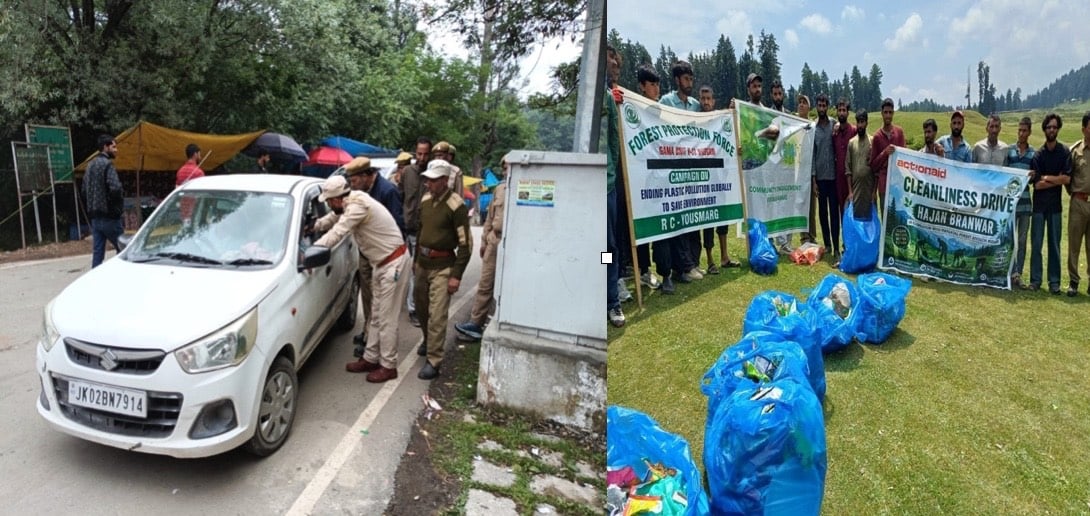
Anti-polythene check-posts have been established at the entry points of major tourist destinations to prevent the inflow of plastic and polythene products into forest areas. Vehicles entering these destinations are thoroughly checked, and prohibited plastic items are removed before entry. Visitors are encouraged to use environmentally friendly alternatives. This intervention has substantially reduced the volume of waste entering forest areas and eased the burden of waste collection and disposal.
5. Constitution of Eco-Task Forces
The Department has constituted Eco-Task Forces comprising Foresters and Forest Guards to undertake regular inspections of vendors, shops and commercial establishments operating in tourist areas. These teams monitor compliance with environmental regulations, seize prohibited plastic products and coordinate weekly cleanliness drives involving all stakeholders. Regular inspections and surprise checks have emerged as an effective deterrent against littering and environmental violations.
6. Development of Waste Management Infrastructure
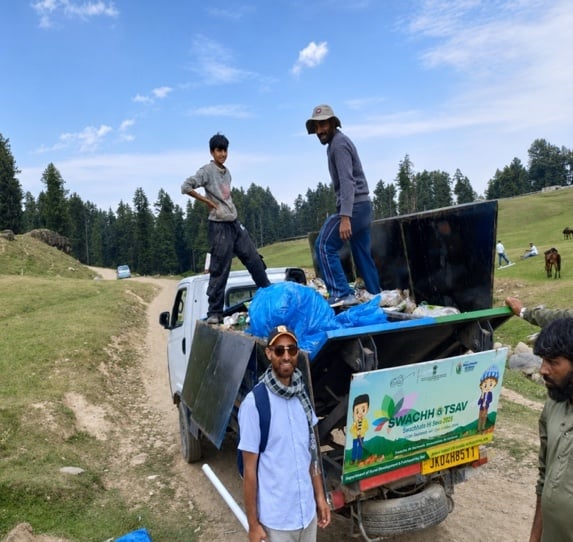
Adequate infrastructure is essential for sustainable waste management. Bear-proof garbage bins equipped with separate chambers for biodegradable and non-biodegradable waste have been installed at strategic locations, including parking areas, viewpoints, trekking routes and camping sites. Tourism Development Authorities have been requested to provide hoppers and collection facilities for waste generated by tourists. Ponywallas operating in remote areas have also been engaged to collect waste from designated bins and transport it to material recovery facilities.
7. Scientific Disposal of Collected Waste
The Department has established coordination mechanisms with local municipalities and urban local bodies to ensure scientific disposal of collected waste. Municipal processing sites are being utilised for the regular transportation, segregation and disposal of waste generated at tourist destinations.
8. Involvement of Biodiversity Management Committees
The active participation of local communities is indispensable for the success of any waste management programme. Biodiversity Management Committees (BMCs), already functioning in many rural areas, have been entrusted with the implementation and monitoring of solid waste management plans. These committees coordinate waste collection, ensure compliance with local regulations and mobilise community participation in conservation efforts.
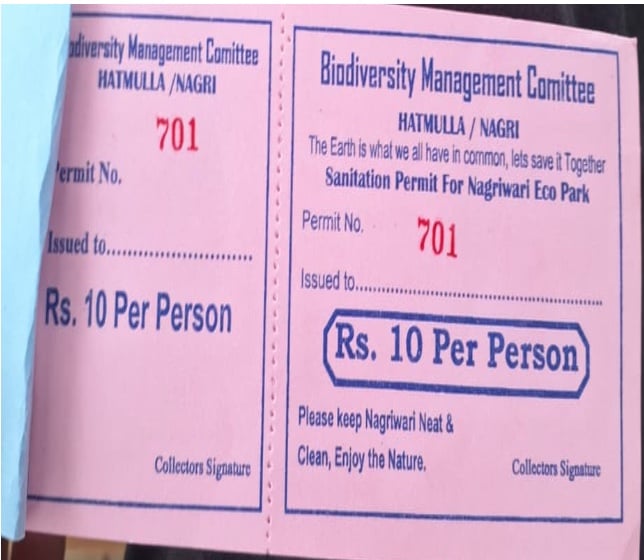
In order to ensure the long-term sustainability of these initiatives, the BMCs have passed resolutions authorising the imposition of sanitation fees on waste generators, including commercial establishments and tourism-related activities. The revenue generated through these user charges is being utilised exclusively for sanitation and waste management activities, thereby enabling local communities to maintain forest areas and tourist destinations in a clean and ecologically sustainable manner.
9. Awareness and Behavioural Change Campaigns
Equally important is the need to foster environmental consciousness among residents, tourism operators and visitors. Extensive awareness programmes have been conducted in schools, colleges and tourist destinations to encourage people to minimise the use of plastic products and adopt environmentally friendly alternatives.
10. Promotion of Sustainable Alternatives
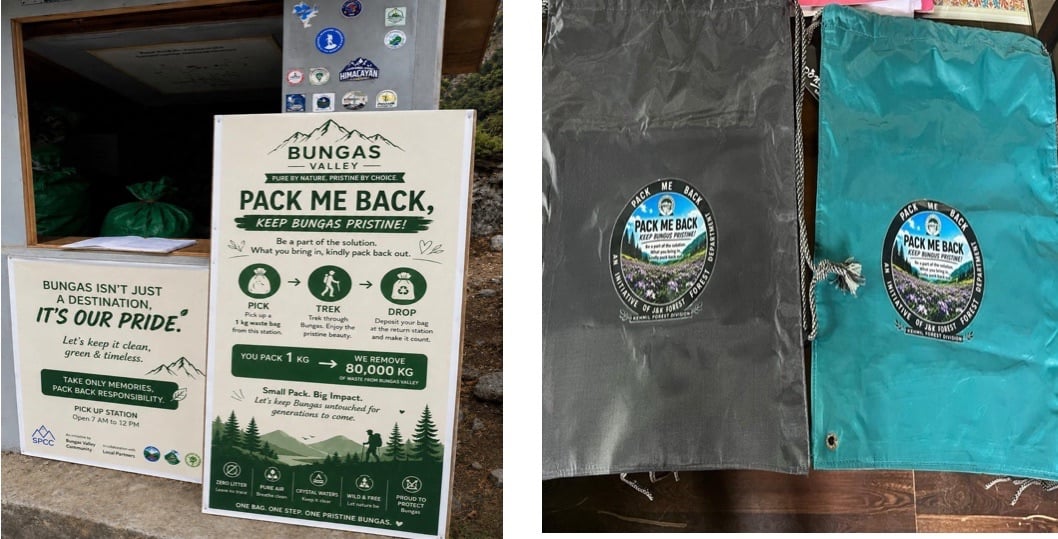
Buy-back schemes for plastic bottles and packaging materials have been introduced to incentivise tourists to return waste rather than discard it indiscriminately. Simultaneously, the use of cloth, jute and other biodegradable carry bags has been actively promoted to reduce dependence on single-use plastics.
Protecting Kashmir’s fragile Himalayan ecosystem is not merely an environmental necessity but an obligation towards future generations. Tourism and conservation must go hand in hand. The forests, rivers and meadows that define Kashmir’s identity can continue to sustain livelihoods and inspire visitors only if immediate and collective action is taken to tackle the growing waste crisis. Scientific planning, strict enforcement, community participation and responsible tourism together hold the key to preserving the ecological treasures of the Himalayas for generations to come.
Read Also: Why India’s Forest Conservation Legacy Begins on the Ground, Not Behind a Screen