https://indianmasterminds.com

ADVERTISEMENT
ADVERTISEMENT

India Air Defence Strategy Explained: How MUMT and Drone Swarms Will Transform IAF Operation by 2045

India will continue to depend on manned fighter jets for the next two decades while gradually integrating drones and AI-based warfare systems. DRDO outlines a phased and realistic transition toward future combat.
India air defence strategy
Indian Masterminds Stories

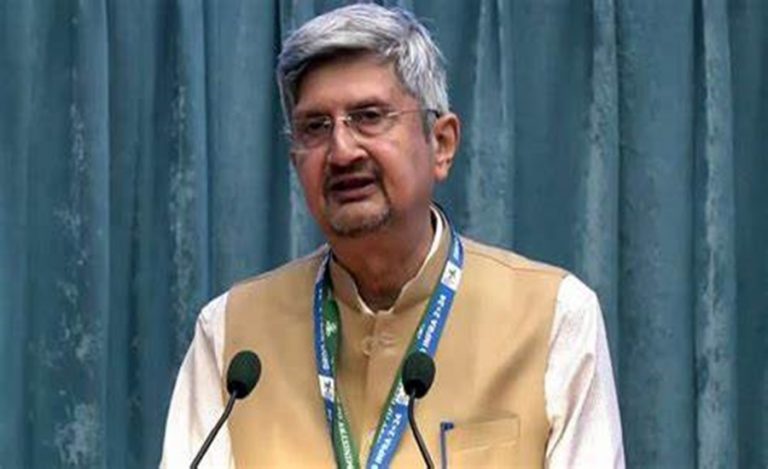
New Delhi: India air defence strategy is entering a critical transition phase, where manned fighter jets will remain the backbone of aerial combat for the next two decades before gradually shifting toward unmanned and drone-centric warfare. According to DRDO Chief Dr. Samir V. Kamat, India is adopting a balanced and phased approach instead of rushing into full automation. 

This strategy ensures operational reliability, human decision-making in combat, and technological readiness while preparing for future warfare dominated by AI, drones, and Manned-Unmanned Teaming (MUMT).

India Air Defence Strategy: Why Manned Fighter Jets Still Matter

Despite rapid advances in artificial intelligence and autonomous weapons, manned fighter aircraft remain irreplaceable in complex combat situations.

Read also: Project Kusha: How DRDO is Building India’s Next-Generation Long-Range Air Defence System to Rival S-400

Key Reasons:

  • Human judgment in combat: Pilots can make split-second ethical and tactical decisions, especially in civilian-sensitive zones.
  • Electronic warfare challenges: GPS jamming and communication disruption can severely affect drones.
  • Situational awareness: Human pilots adapt better in unpredictable environments.

DRDO clearly states that AI cannot yet fully replicate human adaptability in high-risk air combat scenarios.

The Rise of MUMT: Future of Hybrid Warfare

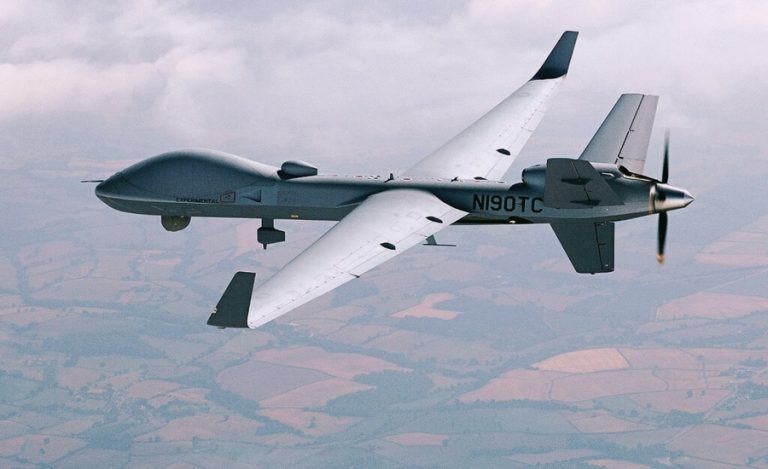
India is not ignoring drone warfare—it is integrating it smartly through Manned-Unmanned Teaming (MUMT).

What is MUMT?

  • A system where piloted fighter jets control and coordinate drones.
  • Drones perform high-risk missions like deep strikes or surveillance.
  • Human pilots act as “command nodes” in the sky.

Key Indian Programs:

  • Ghatak UCAV: A stealth unmanned combat aerial vehicle under development.
  • CATS Warrior: Loyal wingman drones supporting fighter jets.

This hybrid approach ensures maximum combat efficiency with minimum human risk.

India Air Defence Strategy:  Fighter Jet Roadmap (2025–2045)

India’s air defence planning shows a clear timeline:

Short-Term (2025–2030)

  • Induction of Tejas Mk2 fighter jets
  • Progress on AMCA (5th generation stealth fighter)
  • Continued reliance on Rafale and Su-30 fleets

Mid-Term (2030–2040)

  • AMCA enters service as a “quarterback” platform
  • Integration with drone swarms and UCAVs
  • Expansion of indigenous fighter production

Long-Term (2040–2045)

  • Increased deployment of autonomous combat drones
  • Possible development of 6th-generation fighter systems

Why Full Drone Warfare Will Take Time

While drones are the future, several major challenges delay complete transition:

1. Technology Limitations

  • High-thrust engines for UCAVs still under development
  • AI decision-making not fully reliable in combat

2. Communication & Control Issues

  • Secure satellite links are essential
  • High risk of signal jamming in war zones

3. Regulatory & Safety Barriers

  • Global certification standards for autonomous weapons are still evolving

4. Infrastructure Challenges

  • Need for advanced data networks and battlefield integration

These factors make a gradual shift more practical and safer.

Why India Is Taking This Approach

India’s defence strategy is shaped by regional threats and operational realities:

  • Need to counter China and Pakistan simultaneously
  • Declining fighter squadron strength requires immediate capability retention
  • Push for Atmanirbhar Bharat (self-reliance) in defence

India is also investing heavily in:

  • Indigenous air defence systems like Project Kusha
  • Advanced AWACS and surveillance systems
  • Hypersonic and missile technologies

Expert Analysis of India Air Defence Strategy

Unlike some countries rushing into fully autonomous warfare, India’s approach is pragmatic and future-ready:

  • Short-term stability: Maintain strong manned fleet
  • Mid-term integration: Combine pilots with AI systems
  • Long-term transformation: Gradual shift to autonomous warfare

This ensures:

  • No sudden capability gaps
  • Better technology maturation
  • Safer operational transition

Read also: AMCA Rollout in 2028, Tejas Mk-2 to Fly by June 2026: DRDO Chief Maps India’s Next-Generation Fighter Jet Future


Indian Masterminds Stories
ADVERTISEMENT
ADVERTISEMENT
Related Stories
ADVERTISEMENT
ADVERTISEMENT
NEWS
Supreme Court ReT Appointment Ruling
ReT Scheme Case Verdict: Supreme Court Allows Appointments, Invokes Article 142 with TET Deadline
Soma Mondal
Former SAIL Chairperson Soma Mondal to Demit PESB Office as Govt Rejects Extension
punjab cm
Punjab CM Bhagwant Mann Urges Youth to Become Job Creators, Pushes Startup Growth and Anti-Defection Law Reform 
Mission Drishti
Mission Drishti Launch: India Enters Elite League with World’s First All-Weather OptoSAR Satellite
Indian Navy Quantum Radar Project
ADITI 4.0 Quantum Radar Project: ₹25 Cr Funding to Develop Unjammable Stealth Detection System for Indian Navy
sai cm
Chhattisgarh CM Vishnu Deo Sai Holds Surprise Jan Chowpal in Sarguja, Orders Immediate Relief and Grievance Redressal 
India air defence strategy
India Air Defence Strategy Explained: How MUMT and Drone Swarms Will Transform IAF Operation by 2045
MALE UAV project
India ₹25,000 Crore MALE UAV Project RFQ Stage Update: Timeline, Companies, and Strategic Impact Explained
ADVERTISEMENT
ADVERTISEMENT
Videos
Punjab’s Welfare Push Backed by Surging Revenues Harpal Singh Cheema
Punjab’s Welfare Push Backed by Surging Revenues
vandana
IRS Vandana Sagar: From Academic Excellence to International Tax Leadership and a Champion’s Mindset
Pawan Sareen
Truth Behind India’s LPG Supply Strain Amid Rising Demand and Global Uncertainty 
ADVERTISEMENT
UPSC Stories
ashish
After Losing His Mother at 10, He Fought On to Fulfil Her Dream
Ashish Sharma’s UPSC journey is a powerful story of loss, persistence, and purpose, culminating in AIR...
Animesh Pradhan UPSC CSE 2025
How Animesh Mishra Cracked UPSC CSE 2025 with AIR 428: Prelims, Mains & Interview Strategy 
Animesh Mishra secured AIR 428 in UPSC CSE 2025 with a strategic and disciplined approach. Read his preparation...
Himanshu Tembhekar IDAS UPSC CSE
How to Crack UPSC in Marathi Medium: Himanshu Tembhekar’s Strategy, Challenges, and Success
Himanshu Tembhekar shares his UPSC strategy, challenges of Marathi medium, Prelims tips, and how he cleared...
CSR NEWS
school edcil
EdCIL Boosts Rural Education with New Classrooms and Sanitation Facilities in Varanasi School
Classroom & Sanitation Upgrade: EdCIL Strengthens Education Infrastructure in Varanasi
ntpc
₹7.19 Crore Healthcare Upgrade: NTPC Sipat Strengthens Bilaspur’s Medical Infrastructure
Big Boost to Healthcare: The initiative was highlighted during an event attended by Tokhan Sahu, Union...
ews
DVK Foundation Launches Scholarship Programme for EWS Students at BGIS Vrindavan
BGIS Vrindavan Partners with DVK Foundation for EWS Student Scholarships
ADVERTISEMENT
ADVERTISEMENT
ADVERTISEMENT
Latest
Supreme Court ReT Appointment Ruling
ReT Scheme Case Verdict: Supreme Court Allows Appointments, Invokes Article 142 with TET Deadline
Soma Mondal
Former SAIL Chairperson Soma Mondal to Demit PESB Office as Govt Rejects Extension
ADVERTISEMENT
ADVERTISEMENT
ADVERTISEMENT
ADVERTISEMENT
ADVERTISEMENT
ADVERTISEMENT
ADVERTISEMENT
Videos
Punjab’s Welfare Push Backed by Surging Revenues Harpal Singh Cheema
vandana
Pawan Sareen
ADVERTISEMENT
ADVERTISEMENT