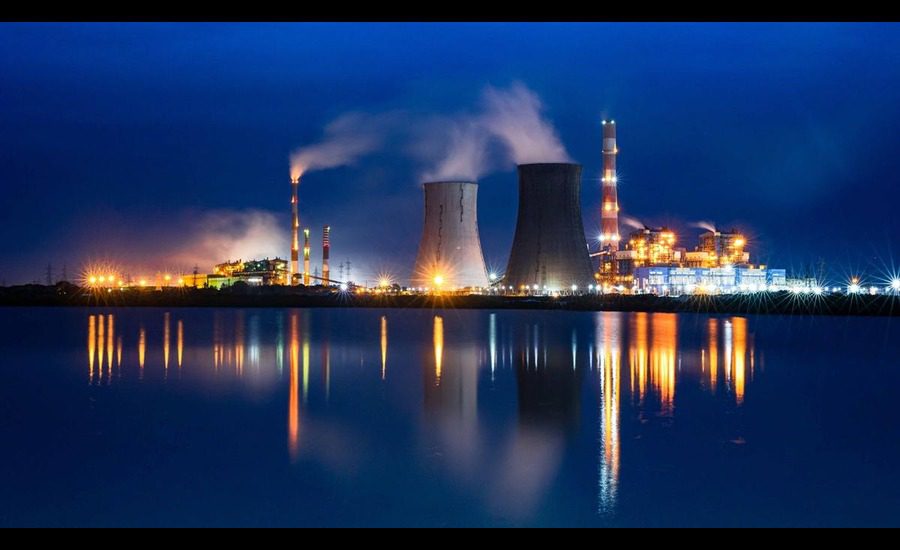
New Delhi: India’s thorium reserves are among the largest in the world, giving the country a unique opportunity to achieve long-term energy security and reduce dependence on fossil fuels.
Scientists and policymakers believe that using thorium-based nuclear power could help India meet its ambitious goal of 100 gigawatts (GW) of nuclear power capacity by 2047, while also producing clean and reliable electricity.
Thorium technology is considered safer and more sustainable compared to traditional uranium reactors. With vast coastal deposits and decades of research, India’s thorium strategy is becoming an important part of its future energy plan.
What Is Thorium and Why Is It Important?
Thorium is a naturally occurring radioactive metal that can be used to produce nuclear energy. Unlike uranium, thorium itself cannot directly undergo nuclear fission. Instead, it must first be converted into uranium-233, which then acts as the fuel for nuclear reactors.
Read also: India Successfully Tests 3,500-km Range K-4 SLBM From INS Arihant, Enhances Undersea Nuclear Power
Scientists consider thorium an attractive nuclear fuel because:
- It is abundant in nature, especially in India.
- It produces less long-lived radioactive waste compared to uranium fuels.
- It can generate more fissile fuel than it consumes in certain reactor designs.
These characteristics make thorium a promising option for long-term clean energy.
Details and Stats of India Thorium Reserves
India holds a very large share of the world’s thorium resources, estimated at around 25% of global reserves.
Most of these reserves are found in monazite sands along the coastal regions of:
- Kerala
- Tamil Nadu
- Odisha
These sands contain thorium-rich minerals that can be processed for nuclear fuel.
Government data also indicates that India has over 11.9 million tonnes of monazite deposits containing about 1 million tonnes of thorium, making it one of the largest thorium holders in the world. Because India has limited uranium reserves but vast thorium resources, its nuclear strategy has focused on eventually using thorium as the main fuel.
India Thorium Reserves: India’s Unique Three-Stage Nuclear Power Programme
India’s nuclear energy strategy follows a three-stage programme designed by physicist Dr. Homi J. Bhabha in the 1950s to fully utilize thorium resources.
Stage 1: Uranium Reactors
Pressurised Heavy Water Reactors (PHWRs) use natural uranium to generate electricity. These reactors also produce plutonium as a by-product.
Stage 2: Fast Breeder Reactors
The plutonium produced in stage one is used in Fast Breeder Reactors (FBRs).
These reactors create more fissile fuel than they consume.
Stage 3: Thorium-Based Reactors
In the final stage, thorium is converted into uranium-233 and used as fuel in advanced reactors.
This stage is expected to unlock India’s massive thorium potential and produce large amounts of electricity sustainably.
How India Thorium Reserves Can Help Achieve Energy Independence
Thorium-based nuclear power offers several strategic benefits for India:
1. Reduced Dependence on Imported Fuel
Since thorium reserves exist within India, using it reduces reliance on imported uranium and fossil fuels.
2. Clean Energy Production
Like uranium nuclear power, thorium reactors produce electricity without greenhouse gas emissions, helping fight climate change.
3. Long-Term Power Supply
Studies suggest India’s thorium reserves could potentially generate electricity for several centuries if fully utilised.
4. Lower Proliferation Risk
Thorium fuel cycles are considered more resistant to misuse for nuclear weapons compared to traditional nuclear fuel systems.
India’s 100 GW Nuclear Power Target by 2047
The Indian government plans to expand nuclear energy significantly over the coming decades.
Under the national energy roadmap:
- India aims to reach 100 GW nuclear power capacity by 2047.
- Nuclear energy will become a major part of the country’s clean energy mix.
- New technologies such as Small Modular Reactors (SMRs) are also being developed.
Thorium reactors are expected to play an important role in the long term once sufficient fissile material is produced from earlier stages of the nuclear programme.
India Thorium Reserves: Challenges in Using Thorium
Despite its huge potential, thorium power faces several technological and economic challenges.
Technology Complexity
Thorium cannot directly produce energy and must first be converted into uranium-233 in reactors.
High Research Costs
Developing advanced thorium fuel cycles requires significant investment in research and reactor technology.
Long Development Timeline
Experts believe large-scale thorium reactors may take decades to fully deploy. However, India remains one of the world’s leading countries in thorium research and development.
Why Thorium Could Be the Future of India’s Energy
India’s energy demand is expected to rise sharply in the coming decades due to economic growth and urbanisation.
Thorium-based nuclear power could help provide:
- Stable base-load electricity
- Reduced carbon emissions
- Greater energy security
If successfully developed, thorium technology could place India among the global leaders in advanced nuclear energy.
Conclusion
India’s vast thorium reserves provide a strategic advantage in the global search for clean and sustainable energy. Through its three-stage nuclear programme, the country aims to gradually transition from uranium-based reactors to advanced thorium reactors. While technological challenges remain, thorium could play a crucial role in helping India achieve its 100 GW nuclear energy target by 2047, strengthen energy independence, and support a low-carbon future.
Read also: India’s Most Powerful Nuclear Submarine: What Is the K-6 SLBM? Timeline, Speed & Range Explained