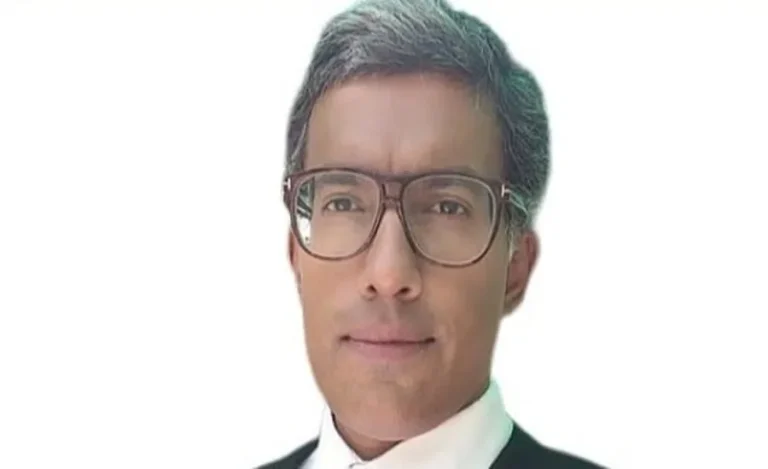
New Delhi: Senior Advocate Gopal Sankaranarayanan has withdrawn from seven Delhi protest cases before the Supreme Court of India after a courtroom disagreement during a hearing on October 15, 2026. He reportedly raised concerns about repeated interruptions and the alleged snatching of his microphone while he was presenting his arguments.
Sankaranarayanan said that maintaining the dignity and decorum of the court was more important than continuing to appear in the cases. The development comes as the Supreme Court considers several petitions related to alleged police action, detentions, movement restrictions and the right to protest in Delhi.
Why Did Senior Advocate Gopal Sankaranarayanan Withdraw From The Cases
Senior Advocate Gopal Sankaranarayanan decided to withdraw from seven matters connected with the Delhi protests after a hearing at the Supreme Court became difficult for him to continue.
Read also: Why The Supreme Court Called India’s Criminal Justice System A ‘Wounded Republic’
According to the report, he was repeatedly interrupted while trying to present his arguments. The alleged snatching of his microphone during the proceedings further added to the dispute.
Sankaranarayanan expressed dissatisfaction with the way the hearing was conducted. He also raised concerns about cases being taken up without following their serial numbers.
Explaining his decision, he reportedly said that the Bench had failed to control the courtroom and that the dignity of the court was more important. He subsequently informed his clients that he would no longer represent them in these seven matters.
Supreme Court Hearing On Delhi Protests
The hearing took place before a Bench comprising Chief Justice of India Surya Kant and Justice Joymalya Bagchi on October 15, 2026.
The Bench heard around 46 petitions concerning different issues connected with the Delhi protests.
These petitions raised questions about alleged police excesses, unlawful detentions, restrictions on public movement, journalists’ rights and the removal of Jantar Mantar’s designated status as a protest site.
Several petitioners have questioned the actions taken by authorities during the protests. The cases involve important questions about police powers, individual rights and the regulation of public demonstrations. The Supreme Court is examining these matters through a group of related petitions.
What Happened Inside The Courtroom
According to the report, Sankaranarayanan arrived prepared with his notes and case documents. However, repeated interruptions reportedly prevented him from completing his submissions.
Towards the end of the proceedings, when he attempted to make further arguments, a senior woman lawyer appearing on the same side allegedly took the microphone away from him.
These details have been reported as allegations and should not be treated as independent findings by the Court. Following the incident, Sankaranarayanan walked out of the courtroom before the hearing ended.
His decision to withdraw highlights concerns about courtroom discipline and the need for lawyers to receive a fair opportunity to present their arguments.
Why Are The Seven Cases Important
Sankaranarayanan’s withdrawal is significant because the cases concern several important legal issues arising from the Delhi protests. The petitions reportedly address the following matters:
- Alleged Police Brutality: Questions about the conduct of police personnel during the protests.
- Unlawful Detentions: Challenges concerning the detention of individuals in connection with the demonstrations.
- Restrictions On Public Movement: Concerns about limits placed on people’s movement during the protests.
- Journalists’ Rights: Issues affecting journalists covering the demonstrations.
- Jantar Mantar As A Protest Site: Questions concerning the decision to remove its designated status as a protest location.
The withdrawal does not, by itself, decide any of these legal questions. The Supreme Court proceedings concerning the petitions are separate from the dispute over courtroom conduct.
What Did The Supreme Court Direct During The Hearing
During the October 15 hearing, the Supreme Court issued notices to the Central Government and Delhi Police in several petitions.
The Court also directed the relevant law enforcement agencies to preserve CCTV footage and other digital evidence connected with the matters. Preserving this material is important because it may help establish what happened during the relevant events.
The Bench also appointed nodal counsel to coordinate the cases on both sides. These lawyers were directed to organise overlapping petitions into broad categories by October 28. This would help the authorities prepare separate responses, known as counter-affidavits, for the different groups of cases.
When Will The Delhi Protest Cases Be Heard Next
The main group of petitions concerning the Delhi protests is scheduled to be heard again on November 3, 2026, according to the report.
The parties are expected to organise overlapping petitions into relevant categories by October 28 to help streamline the proceedings.
The next hearing will provide an opportunity for the Supreme Court to continue examining the issues raised in the petitions. The legal questions include alleged police excesses, detention, restrictions on movement and the regulation of protest sites.
What Happens After Senior Advocate Gopal Sankaranarayanan Withdrawal
Following Sankaranarayanan’s decision, the clients involved in the seven matters will need to make arrangements for their further legal representation, if required. His withdrawal does not automatically end the cases or cancel the petitions before the Supreme Court.
The Court can continue hearing the matters through the remaining lawyers and the parties involved, subject to the applicable legal procedure. The broader proceedings will continue to focus on the questions raised in the petitions and the responses submitted by the concerned authorities.
Read also: Why Is The Supreme Court Hearing A Plea On Delhi Peaceful Protests?
FAQs
A Bench comprising Chief Justice of India Surya Kant and Justice Joymalya Bagchi heard around 46 petitions concerning the Delhi protests on October 15, 2026.
Gopal Sankaranarayanan withdrew from seven Delhi protest cases after reportedly facing repeated interruptions and an alleged microphone incident during a Supreme Court hearing. He cited concerns about courtroom order and the dignity of the Court.
The main group of Delhi protest petitions is scheduled for its next hearing on November 3, 2026. The Court also directed the parties to organise overlapping petitions into categories by October 28, 2026.