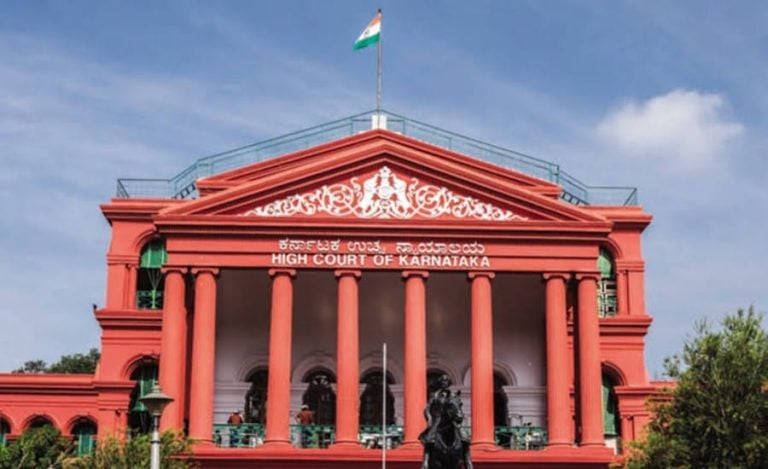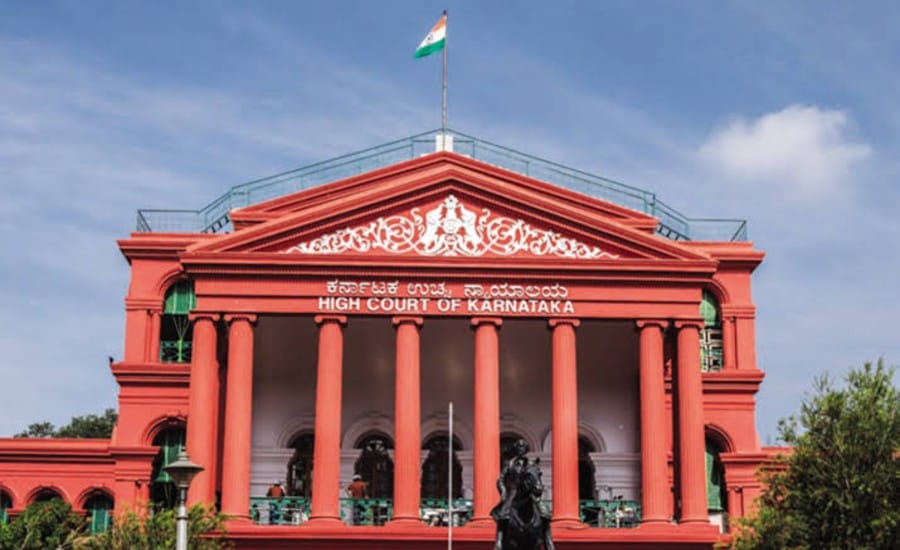
Bangalore: The Karnataka State Bar Council (KSBC) has directed lawyers to pass the All India Bar Examination (AIBE) within two years of enrolment or stop practising law. Advocates who fail to clear the examination within the prescribed period must immediately stop appearing before courts, tribunals and other legal authorities until they pass the examination.
The November 13 directive follows a Karnataka High Court order aimed at identifying advocates who continue practising without clearing the mandatory examination.
Details of Karnataka Bar Council AIBE Rule
The Karnataka State Bar Council issued a circular on November 13, 2026, under the direction of its Chairman, Rajanna R..The circular was issued in compliance with a Karnataka High Court judgment dated October 17, 2026, delivered by Justice H.P. Sandesh.
The High Court had directed the State Bar Council to develop a system to identify advocates who had failed to pass the AIBE within the required two-year period but continued practising law.
Who Is Exempt From The AIBE Requirement
According to the KSBC circular, law graduates who completed their degrees on or before June 12, 2010, and enrolled as advocates are exempt from appearing for the AIBE. However, law graduates who completed their degrees after the 2009-2010 academic year and enrolled as advocates must pass the examination within two years of their enrolment.
Those who fail to meet this requirement will lose their right to practise law until they successfully clear the examination.
Lawyers Cannot File Vakalatnamas Without Clearing AIBE
The Karnataka State Bar Council has clearly instructed ineligible advocates to stop practising immediately.
They cannot appear as lawyers before any court, tribunal or other legal authority. They are also prohibited from filing Vakalatnamas or presenting themselves as practising advocates.
A Vakalatnama is a legal document through which a client authorises an advocate to represent them in a court case.
Karnataka Bar Council AIBE Rule: Criminal Action Possible Against Lawyers
The KSBC has warned that advocates who ignore the directions may face criminal prosecution.
The circular refers to Section 45 of the Advocates Act, 1961, and Sections 318, 319 and 61 of the Bharatiya Nyaya Sanhita (BNS), 2023.
It also states that criminal proceedings may be initiated independently by any person, apart from disciplinary action by the Bar Council.
Karnataka Bar Council AIBE Rule: Bar Associations Must Verify AIBE Certificates
The Karnataka State Bar Council has also directed all recognised Bar Associations in the state to verify the AIBE qualification and Certificate of Practice (CoP) of their members.
This verification must take place when new members apply for membership or existing members seek renewal.
Bar Associations must also display the circular prominently on their notice boards. Additionally, they have been asked to submit a list of advocates who have not fulfilled the AIBE requirement to the State Bar Council within 30 days.
Karnataka Bar Council AIBE Rule: Lawyers Can Resume Practice After Passing AIBE
The directive also provides a way for affected advocates to return to legal practice.
Advocates who have lost their right to practise because they failed to clear the examination can apply for restoration after successfully passing the AIBE and completing the required formalities. Therefore, failure to clear the examination within two years does not automatically mean permanent removal from the profession.
Read also: Karnataka 2011 Recruitment Case: Supreme Court Rejects Law Protecting Selected Candidates
FAQs
No. Advocates who fail to pass AIBE within the prescribed two-year period cannot continue practising before courts, tribunals or other legal authorities until they clear the examination.
Yes. Advocates covered by the applicable AIBE rules must pass the examination within two years of enrolment to continue practising law.
Yes. Advocates who lose their right to practise due to failure to clear AIBE can apply for restoration after passing the examination and completing the required formalities.