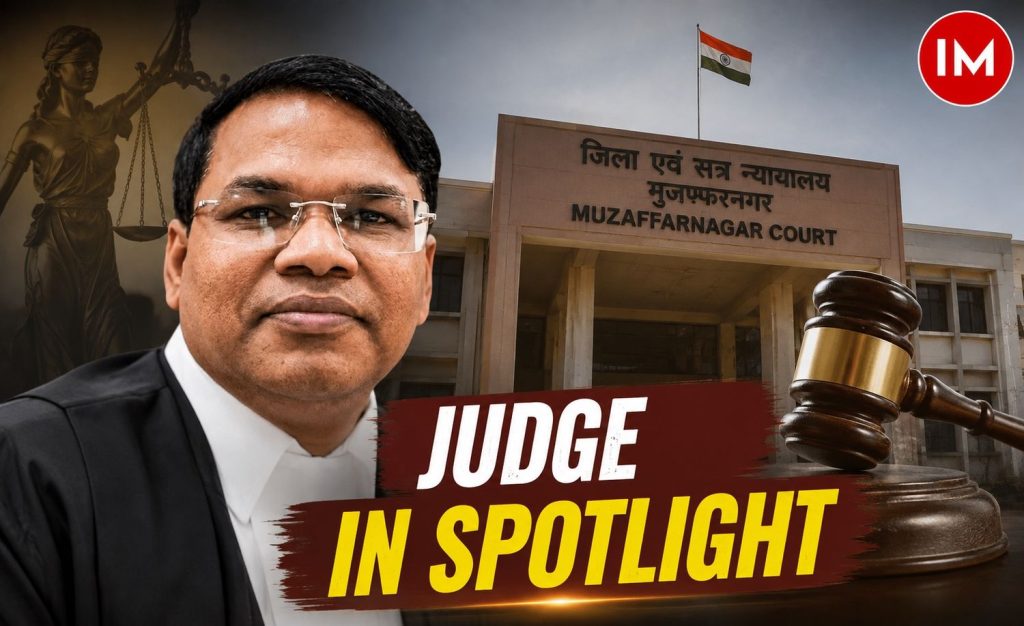
Muzaffarnagar: Judge Ravi Kumar Diwakar has become one of the most discussed judicial officers in Uttar Pradesh after awarding death sentences to 22 convicts in nine serious criminal cases within about eight months in Muzaffarnagar. The judgments, delivered in murder and murder-after-robbery cases, have attracted nationwide attention and sparked debate over the use of capital punishment in India. Reports show that the convictions were handed down in cases considered by the court to fall under the “rarest of rare” category.
Why Does Judge Ravi Kumar Diwakar Draws National Attention
Additional District and Sessions Judge (Fast Track Court) Ravi Kumar Diwakar is currently posted in Muzaffarnagar, Uttar Pradesh.
He earlier came into the national spotlight in 2022 when he ordered the videographic survey of the Gyanvapi complex in Varanasi. Since then, he has remained a prominent figure in judicial discussions.
In recent months, his decisions in several murder cases have once again brought him into the national spotlight.
Record Number Of Death Sentences In Muzaffarnagar
According to reports, Judge Diwakar awarded death penalties to 22 convicts across nine major criminal cases after taking charge in Muzaffarnagar.
Most of these cases involved murder, murder after robbery, and other grave offences that the court considered extremely serious.
The judgments were delivered between April and August 2026, making the series of decisions one of the most talked-about developments in Uttar Pradesh’s judicial system.
Major Cases In Which Death Sentences Were Awarded
Advocate Sameer Saifi Murder Case
On April 6, 2026, the court sentenced three convicts to death in the kidnapping and murder case of advocate Sameer Saifi.
The court found the accused guilty and imposed capital punishment after examining the evidence presented during the trial.
Shekhar Murder Case
On April 28, 2026, four people, including family members of the accused, were awarded the death penalty in the Shekhar murder case.
The judgment was among the most discussed rulings delivered by the Muzaffarnagar fast-track court.
Rajbir Singh Murder Case
In another significant case, the court imposed the death penalty on convicts found guilty of murdering Rajbir Singh.
The judgment further increased the number of death sentences delivered by the court during the year.
Home Guard Ratiram Murder Case
In July 2026, the court sentenced a man named Deepak to death for killing Home Guard Ratiram while he was on duty.
The court held that the crime fell within the “rarest of rare” category, warranting the maximum punishment under law.
Why These Judgments Are Being Discussed
The large number of death penalties awarded within a short period has triggered discussions among legal experts and observers.
Many have pointed to the Supreme Court’s “rarest of rare” doctrine, which allows capital punishment only in exceptional cases involving extreme brutality or circumstances.
Supporters of the judgments argue that strict punishment can strengthen public confidence in the justice system. Others believe each death penalty case must be examined carefully through the appellate process before becoming final.
Death Sentences Still Require Higher Court Approval
Under Indian law, a death sentence awarded by a trial court does not become final immediately. Such sentences must be confirmed by the concerned High Court before execution. Convicts also have the right to pursue appeals and other legal remedies available under the law.
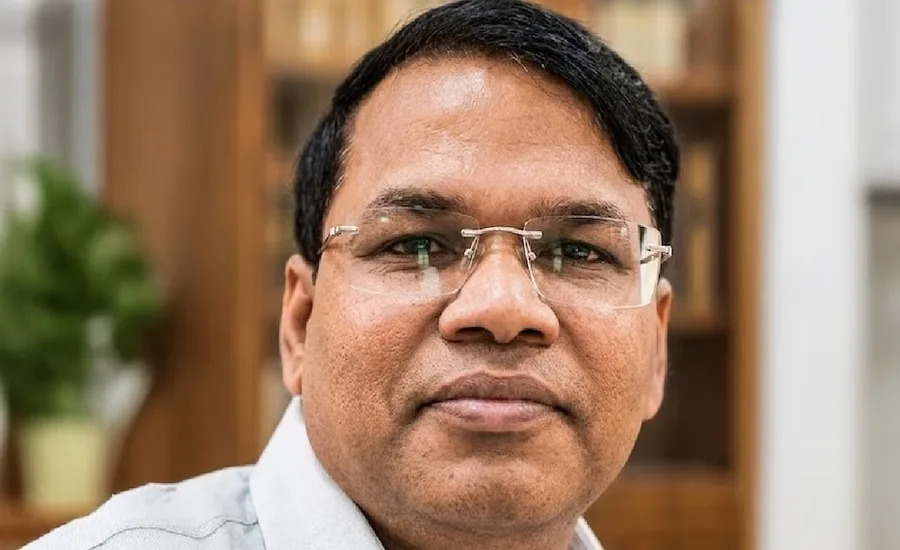
Who is Judge Ravi Kumar Diwakar
Ravi Kumar Diwakar is an Indian judicial officer from Uttar Pradesh who serves in the Uttar Pradesh Higher Judicial Service.
Early Life & Education
- Date of Birth: July 5, 1980
- Home District: Lucknow, Uttar Pradesh
- Education: Completed his B.Com in 2002, LL.B. in 2005, and LL.M. in 2007.
Judicial Career
- Entry into Service: Appointed to the Uttar Pradesh Judicial Service as Civil Judge (Junior Division) / Munsif on December 17, 2009.
- Career Progression: Promoted to Civil Judge (Senior Division) in March 2017 and subsequently elevated to the Higher Judicial Service (HJS) in November 2023.
- Key Postings: Over his judicial tenure, he has served in various capacities—including Civil Judge, Judicial Magistrate, Special CJM, and Additional District Judge (Fast Track Court)—across districts including Azamgarh, Sultanpur, Budaun, Varanasi, Bareilly, Chitrakoot, and Muzaffarnagar.
Notable Cases & Media Attention
- Gyanvapi Mosque Complex Survey (2022): While serving as Civil Judge (Senior Division) in Varanasi, he came into national prominence in May 2022 by ordering a court-monitored videographic survey of the Gyanvapi mosque complex in response to a plea by Hindu petitioners seeking worship rights at the Shringar Gauri site.
- Capital Punishment Rulings: During his tenure as Additional District and Sessions Judge (Fast Track Court) in Bareilly and Muzaffarnagar, his rulings in serious criminal and murder trials drew wide media coverage and public debate over capital sentencing and the “rarest of rare” doctrine.