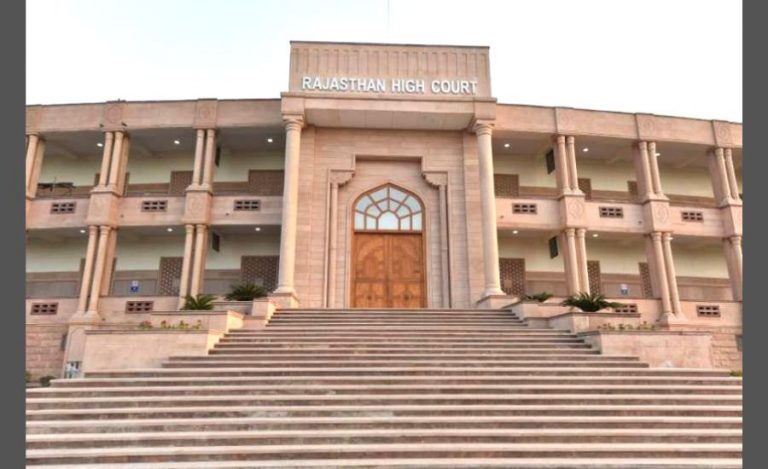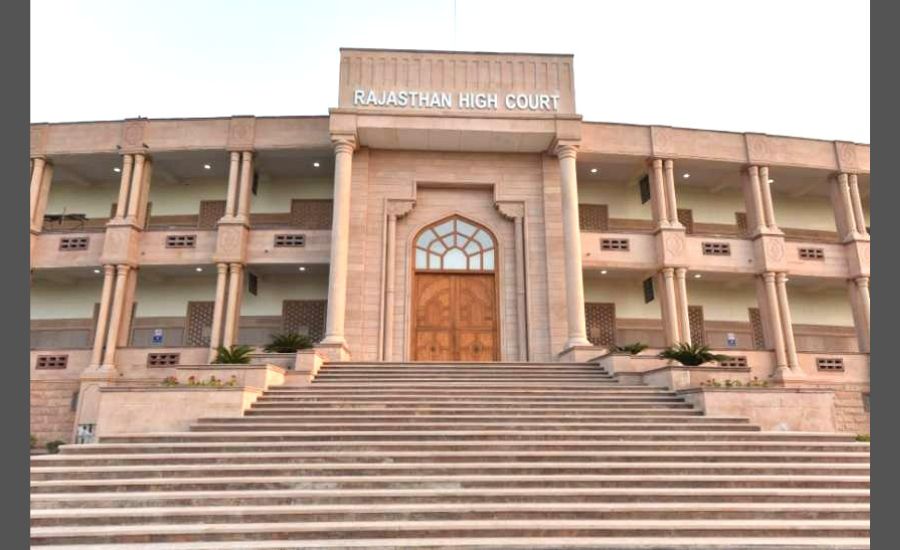
New Delhi: The Rajasthan High Court denied bail to Rajasthan government officials accused of helping create fake Aadhaar cards, citing the seriousness of the allegations and concerns about national security. The case involves alleged misuse of government technology and an unauthorised Aadhaar enrolment and update centre.
On October 18, 2026, the Court rejected the second bail applications of the accused officials. Justice Ashok Kumar Jain observed that the accused were expected to protect government technology and prevent the misuse of Aadhaar data.
Why Did The High Court Reject Bail in Rajasthan Fake Aadhaar Case
The Rajasthan High Court rejected the bail applications because the allegations involved the alleged fabrication and manipulation of Aadhaar cards.
Read also: Rajasthan Waqf Property Controversy: High Court Orders Physical Verification of Disputed Land
According to the case details, the accused officials allegedly helped a person operating an unauthorised Aadhaar enrolment and update centre. The centre was reportedly not working according to the conditions set by the Unique Identification Authority of India (UIDAI).
The Court considered the allegations serious because Aadhaar is widely used as an identity document across India and plays an important role in government welfare schemes.
What Are The Allegations Against The Government Officials
The accused persons were government employees working as a programmer and an assistant programmer. They were accused of allegedly helping in the fabrication, manipulation and preparation of forged Aadhaar cards. Such cards could potentially be misused for financial benefits or other unlawful purposes. The case also raised concerns about the alleged misuse of government technology and access to official systems.
Alleged Misuse Of Government Network Access
An earlier order rejecting their bail applications reportedly stated that the accused had shared the password of the Government Internet, Raj-SWAN, with a person operating the unauthorised centre.
Raj-SWAN stands for Rajasthan State Wide Area Network. It is a government communication network used to connect government offices and support official work.
The Court considered the alleged sharing of the password and the claimed monetary benefits serious issues that required careful consideration.
What Did Justice Ashok Kumar Jain Say About National Security
While rejecting the bail pleas, Justice Ashok Kumar Jain highlighted the importance of protecting Aadhaar data, particularly in a border state such as Rajasthan.
The Court observed that changes to Aadhaar information in border areas could raise concerns if the system was misused in ways that affected national interests.
The judge also noted that Aadhaar had become a common identity system across the country and was widely used for direct benefit transfers. However, the Court expressed concern that some people could misuse the system to create false identities for financial or other gains.
Government Officials Must Prevent Technology Misuse
The Court observed that government employees have a responsibility to protect public systems and remain alert to the misuse of technology. It also stated that officials are expected to act carefully when dealing with information about possible crimes involving Aadhaar.
Considering the alleged role of the accused and the seriousness of the matter, the Court found no reason to grant them leniency at the bail stage.
How Can Fake Aadhaar Cards Affect National Security
Aadhaar is an important identity system used for several public and administrative purposes. Its misuse can create risks for individuals, government departments and public welfare programmes.
Fake Aadhaar cards or unauthorised changes to identity records may potentially be used to obtain benefits unlawfully, create false identities or support other illegal activities.
In sensitive areas, the misuse of identity information may also raise wider security concerns. This is why proper control over Aadhaar enrolment centres, access credentials and identity data is important.
The case highlights the responsibility of government employees and authorised operators to follow the prescribed rules while handling identity-related services.
FAQs
Justice Ashok Kumar Jain of the Rajasthan High Court rejected the second bail applications filed by the accused government officials.
The Rajasthan High Court denied bail because the officials were accused of helping create fake Aadhaar cards and allegedly misusing government technology. The Court considered the allegations serious and raised concerns about national security.
No. Rejection of bail does not automatically mean that the accused are guilty. It means the Court refused to grant bail through those applications. Guilt must be determined through the appropriate legal proceedings and evidence.