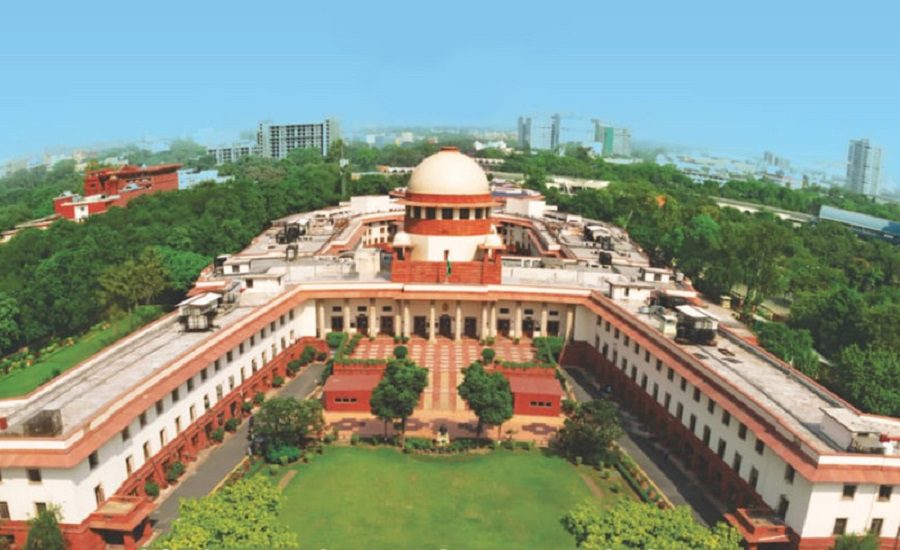
New Delhi: India’s Supreme Court has directed the Union Government to create a national database to detect and remove Child Sexual Exploitation And Abuse Material (CSEAM) from social media and other online platforms.
The order, issued on October 15, 2026, aims to improve online child safety through better technology, stronger reporting rules, and coordination between digital platforms. The database will help platforms identify previously confirmed illegal material and remove matching content more quickly. The Court has also called for stronger safeguards to prevent mistakes and protect lawful online content.
Why The Supreme Court Ordered A CSEAM National Database
The Supreme Court raised concerns about the continued circulation of child sexual exploitation and abuse material online, despite its earlier directions in 2024 in the case of Just Rights for Children Alliance & Anr. v. S. Harish & Ors.
Read also: Supreme Court Recognises Internet Access As A Fundamental Right For Children
The Court noted that the existing system often depends on individual reports. When one platform identifies and removes harmful material, the same content may remain available on other websites or social media platforms.
To address this problem, the Court directed the Union Government to establish a common system that can help identify and remove confirmed material across multiple platforms.
What Will The National Database Contain
The proposed database will contain two main types of digital information:
- Hash Identifiers: These are digital fingerprints that help technology recognise known images or videos, including matching content uploaded again.
- URLs: These are internet addresses that identify where particular online content is available.
The database will contain verified identifiers and URLs, rather than the abusive images or videos themselves. The Court said the database may be created within the existing Sahyog Portal or established as a separate system.
Three-Level Human Verification To Prevent Mistakes
The Supreme Court stressed that technology alone should not decide whether material is illegal. Every entry in the national database must go through multiple levels of verification.
Specialised software may be used for initial screening. However, at least three trained human analysts must independently assess the material before it is confirmed as CSEAM and added to the database.
The Court also called for safeguards such as proper records, access logs, independent audits, and a grievance-redressal system. These measures are intended to prevent incorrect entries and the removal of lawful content.
CSEAM National Database: New Reporting Rules For Social Media Platforms
The Court reiterated that online platforms must report child sexual exploitation and abuse material to the appropriate authorities under Indian law. Simply removing the content or reporting it to a foreign organisation is not enough.
Depending on the circumstances, platforms must report the material to the Special Juvenile Police Unit, local police, or the appropriate cybercrime reporting authority. The Court also specified reporting timelines:
- Content detected by a platform itself: When an intermediary removes material of unknown origin through its own due diligence, it must report the removal within two hours.
- Content reported through a complaint: The report must be made promptly after the complaint is resolved and, in any case, within two hours of resolution.
- Content matched against the national database: Platforms must submit consolidated reports of such removals to the database-maintaining authority every week.
These requirements aim to improve coordination between online platforms and law enforcement agencies.
Platforms Must Remove Matching Content Quickly
Once material has been confirmed and its digital fingerprint or URL has been added to the national database, platforms must use the information to check for matching content.
If a platform finds a match with a confirmed database entry, it must immediately disable access to and remove the matching material without waiting for another independent assessment by that platform.
For material that has not previously been confirmed, platforms must follow the required verification and due-diligence procedures before removal.
Supreme Court Issues Directions On Subscription-Based Content
The Court also addressed content distributed through paid subscriptions and paywalls.
It directed online intermediaries to ensure that child sexual exploitation and abuse material, or other content likely to harm children, is not hosted, uploaded, promoted, or circulated through paid services. The Union Government must frame appropriate guidelines to improve the scrutiny of subscription-based content and introduce proportionate safeguards for children.
Government Must Frame Guidelines And Standard Operating Procedures
The Supreme Court directed the Union Government, through the Ministry of Electronics and Information Technology and the Ministry of Law and Justice, to take steps to implement the measures outlined in its order.
The directions include preparing guidelines, establishing standard operating procedures, and making changes to the Information Technology Rules where necessary.
The government must also inform the Court about the progress made in implementing these directions. The matter is scheduled for further consideration on December 10, 2026.
Digital Safety Education For Children
The Court’s broader directions also recognise that technology and content removal alone cannot fully protect children online.
It called for digital safety and age-appropriate internet education to become part of the school curriculum. The National Council of Educational Research and Training (NCERT) and State Councils are expected to develop relevant educational material in consultation with child psychologists, teachers, and parenting experts.
Such education can help children understand online risks, use digital platforms safely, and seek help when they encounter harmful content.
Read also: One Bar, One Vote: Supreme Court Discusses Delhi Bar Election Reforms
FAQs
It is a central repository of digital fingerprints and internet addresses linked to confirmed child sexual exploitation and abuse material. Online platforms can use it to identify and remove matching content.
The Supreme Court has directed the Union Government to create a national database of verified hash identifiers and URLs to help detect and remove child sexual exploitation and abuse material across online platforms.
Under the Court’s directions, platforms must report certain removals within two hours. Content removed after matching an existing national database entry must be included in consolidated weekly reports to the relevant authority.