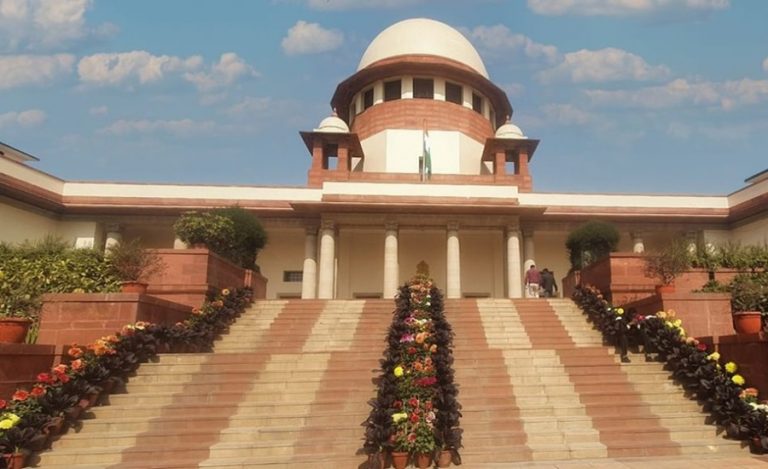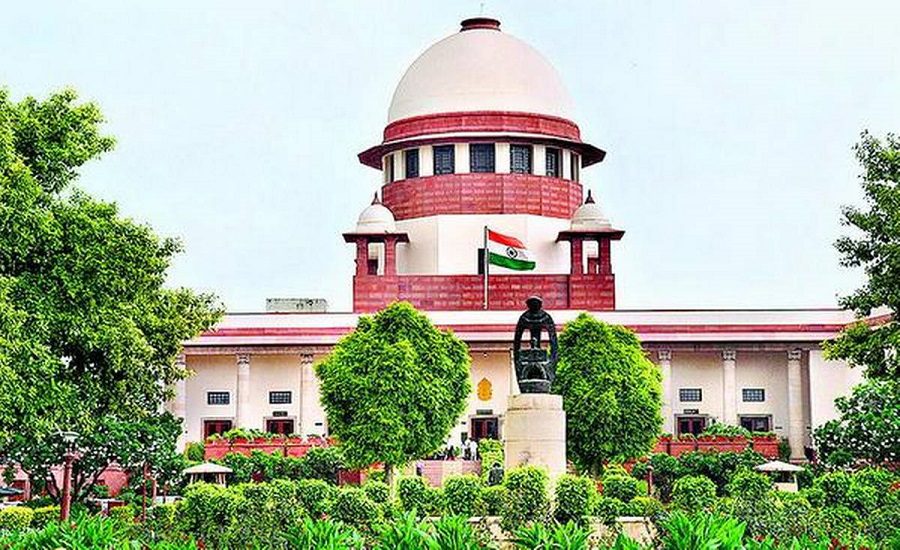
New Delhi: The NEET reforms process received fresh attention on Thursday as the supreme court indicated that judges may personally visit the National Testing Agency (NTA) headquarters to assess whether examination reforms are being implemented effectively.
The Court stressed that institutional reforms and their execution are more important than merely making recommendations. The observations came during hearings related to the NEET examination system and ongoing efforts to strengthen transparency, security, and governance within the NTA.
Supreme Court Focuses On Long-Term NEET Reforms
A Bench comprising Justice P.S. Narasimha and Justice Alok Aradhe reviewed the progress made by the NTA and the Centre regarding examination reforms. During the hearing, Justice Narasimha emphasized that the implementation of recommendations is the most critical part of the reform process.
Read also: NEET UG Reform Push: Supreme Court Seeks Stronger NTA, Calls For UPSC-Like Body To Protect NEET UG
The Court noted that structural changes must become permanent institutional practices rather than remain temporary measures.
NEET Reforms: Judges May Personally Visit NTA Headquarters
While discussing reforms, Justice Narasimha observed that the Court may visit the NTA headquarters in the future to verify whether the systems, manpower, and infrastructure are functioning as intended.
The observation came after the Centre informed the Court that the NTA now has a permanent office at Minto Road in New Delhi.
The Bench highlighted the importance of having a stable institution with adequate permanent staff instead of excessive dependence on deputation-based personnel.
Court Stresses Need For Permanent Workforce
The judges underlined that a strong examination agency requires continuity and institutional memory.
According to the Court, at least a significant portion of the workforce should consist of permanent employees capable of maintaining standards and implementing reforms consistently.
The Bench said that institutionalization remains the key to ensuring lasting improvements in India’s examination system.
Nandan Nilekani-Led Committee Working On NEET Reforms
The Centre informed the Court that a high-powered committee led by Infosys co-founder Nandan Nilekani is examining structural reforms for the examination system. The committee is expected to submit its first interim report by the end of September 2026.
Officials told the Court that consultations are ongoing and that recommendations are being prepared after discussions with experts and stakeholders.
Supreme Court Wants Progress Affidavit
The Court directed that an affidavit detailing the progress made by the task force should be filed within two weeks.
The affidavit is expected to explain what recommendations have been considered and what actions have already been implemented. The judges said that stakeholders should be able to monitor reform progress transparently.
NTA Undergoing Structural Changes
During the hearing, the Centre informed the Court that the NTA is transitioning from exam-specific units to a more specialized functional structure.
According to submissions made before the Court, leadership positions have been strengthened and domain experts are being recruited in key operational areas. The agency has also shifted to a dedicated office facility with enhanced security arrangements and expanded administrative capacity.
Move Towards Computer-Based Examinations
The discussion also touched upon proposals to gradually move major examinations from paper-based formats to computer-based testing.
Experts believe that technology-driven systems can improve security, reduce leak risks, and increase transparency. The government indicated that reforms in this area are being actively considered.
Background: Why NEET Reforms Are Being Reviewed
The push for reforms follows concerns raised over examination security and allegations related to question paper leaks in recent years.
Following these concerns, the government initiated multiple review processes and expert committees to strengthen examination governance.
The Supreme Court has repeatedly stressed the need for a robust, transparent, and trustworthy testing system for millions of students across India.
FAQs
The committee has been tasked with recommending structural and technology-driven reforms to improve the security, transparency, and efficiency of India’s examination system.
The Court indicated that judges may visit the NTA headquarters in the future to review infrastructure, staffing, and implementation of examination reforms.
Key proposals include institutional strengthening of the NTA, recruitment of domain experts, improved security systems, and a gradual shift toward computer-based examinations.