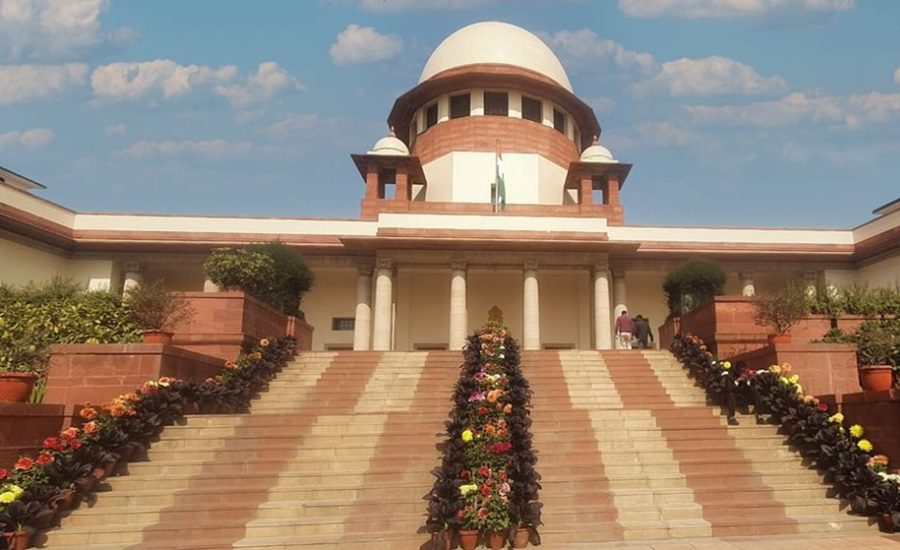
Goa: The Goa mining e-auction MSTC glitch case reached the supreme court after a company challenged the outcome of a government mining auction, claiming that a technical problem on the MSTC portal stopped it from placing a higher bid. However, the Supreme Court refused to reopen the auction and upheld the Bombay High Court’s earlier decision, saying there was no reason to interfere with the findings already recorded.
Details of Goa Mining E-Auction MSTC Glitch
The dispute relates to the Goa Government’s e-auction for the Cavorem-Maina Mineral Block, conducted through the Metal Scrap Trade Corporation Limited (MSTC) online auction platform.
Read also: Can Pregnant IPS Officers Be Denied Training? Supreme Court Questions Centre Over 1993 MHA Policy
The petitioner, Agravanshi Private Limited, argued that it could not submit a higher bid because the auction portal allegedly became unresponsive during the final moments of bidding.
Goa Mining E-Auction MSTC Glitch: Why did the Company Challenge the Auction
According to the petitioner:
- The winning bidder increased its bid to 88.88%.
- The company was prepared to submit a higher bid.
- The MSTC portal allegedly froze and stopped responding.
- Because of the technical issue, it could not participate further in the auction.
The petitioner also relied on:
- Screenshots showing a difference between its computer clock and the auction portal’s displayed time.
- A telephone complaint made to an MSTC officer.
- Four emails sent on the same day reporting the alleged technical issue.
What are the Court Directives on Goa Mining E-Auction MSTC Glitch Case
A Bench of Justice K.V. Viswanathan and Justice Alok Aradhe refused to interfere with the Bombay High Court’s judgment. The Court observed that constitutional courts have limited scope to investigate highly technical disputes while exercising judicial review. It questioned whether such technical disagreements could be properly examined by courts without a clear judicial standard.
Why Were Additional Technical Documents Rejected?
Before the Supreme Court, the petitioner submitted:
- An Internet Service Provider (ISP) certificate stating there was no internet disruption during the auction.
- A technical system health verification certificate from a certified Information Systems Auditor stating the petitioner’s computer system was functioning properly.
The Court declined to rely on these documents because they had not been presented before the Bombay High Court. The Supreme Court said it would examine the matter only on the basis of the evidence that formed part of the High Court record.
Request for Future Guidelines also Declined
The petitioner’s senior counsel requested the Court to frame guidelines on when independent technical experts should be appointed in e-auction disputes. The Bench refused, stating that although such an issue could arise in another case, this was not the appropriate matter to lay down such guidelines.
Read also: Supreme Court Wants Better-Trained Lawyers, Calls for National Legal Academy