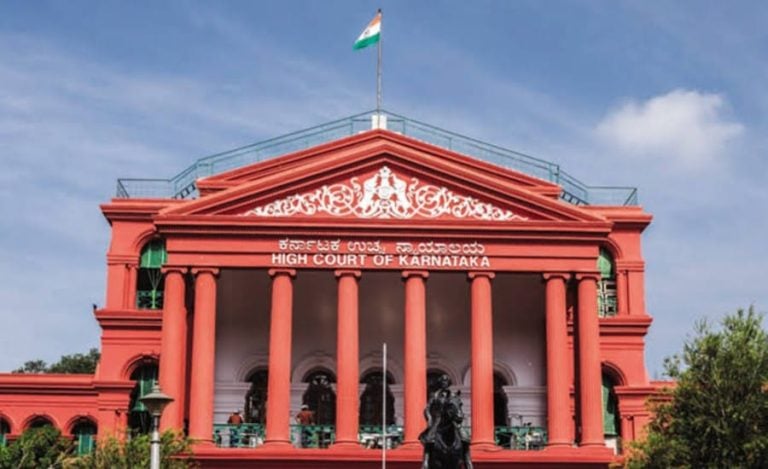
New Delhi: Delhi high court pecuniary jurisdiction remained at the center of an important legal development after the Delhi high court refused to stop a committee of judges from submitting its report on increasing the pecuniary jurisdiction of Delhi’s district courts. The Court rejected a plea filed by the Delhi High Court Bar Association (DHCBA), allowing the committee to continue its work and present its recommendations before the Full Court.
Details of Delhi High Court Pecuniary Jurisdiction
The Delhi High Court had earlier formed a committee of judges to examine whether the financial limit (pecuniary jurisdiction) of Delhi’s district courts should be increased.
Read also: Delhi HC Orders Search Engines and Social Platforms to Remove Fake CJI London Trip Content
At present, many civil cases above a specified monetary value are heard by the Delhi High Court. The proposal under discussion is to significantly raise the district courts’ pecuniary jurisdiction, reportedly from ₹2 crore to ₹20 crore, allowing more civil disputes to be decided at the district court level.
Why Did the Bar Association approach the Court
The Delhi High Court Bar Association (DHCBA) challenged the formation of the judges’ committee. The association argued that the committee should not proceed with its report and requested the Court to stop it from placing its recommendations before the Full Court. According to the Bar Association, the proposal could have a major impact on lawyers, litigants, and the functioning of the High Court.
Delhi High Court Pecuniary Jurisdiction: Major Court Directives
A Division Bench comprising Justice Anil Kshetrapal and Justice Tejas Karia dismissed the request made by the DHCBA.
The Bench declined to restrain the committee from presenting its report, effectively allowing the committee to complete its assigned task and submit its findings before the Full Court of the Delhi High Court.
What is Pecuniary Jurisdiction
Pecuniary jurisdiction refers to the financial limit up to which a court can hear and decide civil cases. If this limit is increased, district courts will be able to hear higher-value civil disputes, reducing the number of such cases filed directly before the High Court.
Why is This Issue Important?
Supporters of the proposal believe that increasing the pecuniary jurisdiction of district courts could:
- Reduce the workload of the Delhi High Court.
- Speed up disposal of civil cases.
- Improve access to justice at the district level.
However, several lawyers’ bodies have expressed concerns over the proposal, saying it may affect litigation practices and the functioning of the High Court.
What happens next?
The judges’ committee is now free to submit its report before the Full Court of the Delhi High Court. The Full Court will consider the committee’s recommendations before any final decision is taken regarding changes to the pecuniary jurisdiction of Delhi’s district courts. No immediate change in jurisdiction has been announced.