Bhopal: The Madhya Pradesh government has stepped up its health response in Balaghat following reports of illness among children in remote villages, sending specialised medical teams to difficult-to-reach areas and expanding disease surveillance, treatment and preventive measures.
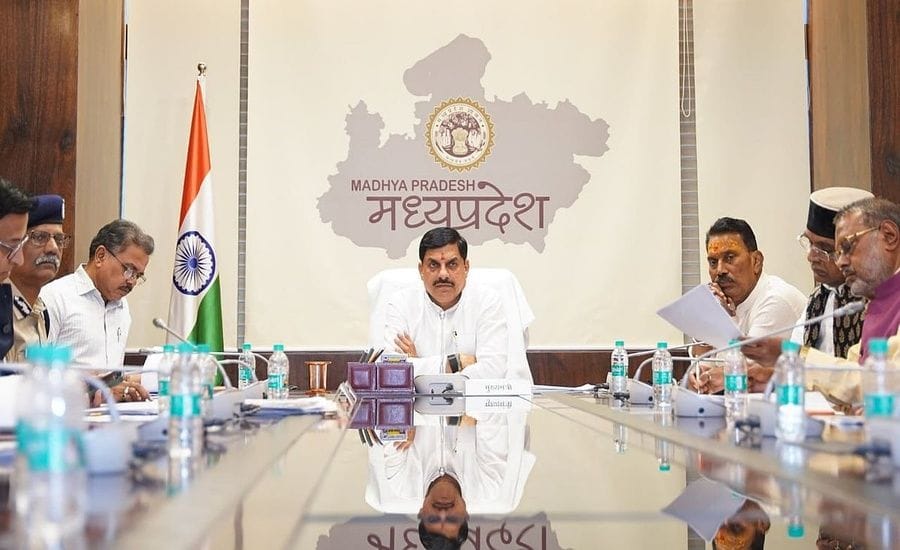
Under the government’s directions, the district administration activated the District Rapid Response Team (DRRT) and deployed teams of paediatricians, epidemiologists and entomologists. National-level teams also visited affected areas, while Chief Minister Mohan Yadav directed officials to take necessary action.
The response has so far involved 57 health teams covering 50 villages, where more than 43,451 people were examined. Of these, 6,537 people received treatment at home, while 647 seriously ill children were admitted to hospitals.
Vaccination and Disease Control Expanded
The health teams have focused on multiple areas, including vaccination, malaria testing, diarrhoea prevention and vector control.
In the Birsa development block, 35,827 children received measles-rubella vaccination. Authorities also distributed ORS and zinc packets to 1,63,902 families as part of diarrhoea prevention efforts.
Malaria surveillance was expanded across the affected areas. A total of 26,865 people were tested, with 980 found positive and provided treatment. In addition, insecticide spraying and fogging were carried out in 8,610 houses, while 3,600 mosquito nets were distributed.
The response is significant because independent reporting on the Balaghat situation has pointed to multiple health factors, including measles, malaria, co-infections, dehydration, malnutrition and other complications, rather than one confirmed single cause for all reported deaths.
Read also: Madhya Pradesh CM Mohan Yadav Announces Major Push for Industry, Trade and Tourism in Mahakoshal
Funds Released for Health Infrastructure
Alongside emergency medical measures, the state has approved financial support to strengthen healthcare delivery in the affected areas.
A total of ₹3.60 lakh was allocated for the safe transportation of seriously ill pregnant women and children in Baihar, Birsa and Katangi development blocks. Another ₹3.40 lakh was provided for the safe transportation of vaccines.
The government has also approved ₹1.93 crore for repairs at 22 sub-health centres and ₹24 lakh for essential medical equipment.
A proposal worth ₹66 lakh has been sent to the Cabinet to upgrade the Ghummur sub-health centre into a Primary Health Centre.
Doctors and Frontline Staff Added
The state has also strengthened its healthcare workforce in Balaghat by posting 54 new doctors in the district.
For malaria control, one consultant and four technical supervisors have been deployed. The Women and Child Development Department has appointed four new Child Development Project Officers (CDPOs).
The government has also filled 52 vacant posts of Anganwadi workers and helpers, strengthening frontline support for children and families in rural areas.
Medical Teams Reached Remote Villages
The response began after reports of children developing fever and rashes emerged in villages around the Bondari, Kundekasa, Korka, Dandekasa and Songudda sub-health centre areas of Birsa block in July.
Medical teams were sent to the affected areas despite difficult terrain and heavy rainfall. Their work included examining children, providing treatment and expanding disease surveillance.
The administration’s approach has involved coordination between district, state and national-level teams. The supplied government account also says teams worked to address factors such as unsafe drinking water, misconceptions and reliance on unqualified practitioners alongside medical treatment.
23-Year Health Progress in Balaghat
The current response comes against the backdrop of a longer-term improvement in health indicators in Balaghat.
According to the figures provided by the state government, institutional deliveries increased from 21.50% in 2003 to 92.10% in 2026. Safe deliveries rose from 41.50% to 94.10%, while full child immunisation increased from 47.50% to 92.70% over the same period.
The government has linked these improvements to wider health-system strengthening over the past 23 years.
Maternal and Infant Mortality Decline
The figures also show a decline in reported maternal and infant deaths.
Maternal deaths reportedly fell from around 176 cases in 2003 to 60 in 2026. The government estimates that this represents about 116 fewer maternal deaths annually and around 2,650 maternal lives saved over 23 years.
Infant deaths declined from approximately 3,805 in 2003 to 1,560 in 2026. The government estimates that around 2,245 infant lives are being saved annually compared with the earlier level, amounting to approximately 51,600 infant lives over 23 years.
The figures highlight the importance of institutional deliveries, vaccination, frontline health workers and access to medical facilities in rural and remote areas.
Focus on Last-Mile Healthcare
The Balaghat response combines immediate disease-control measures with longer-term infrastructure and staffing interventions.
The deployment of doctors, technical teams and frontline workers, along with repairs to sub-health centres and proposed facility upgrades, is aimed at strengthening access to healthcare in remote communities.
For a geographically difficult district, the ability to reach villages quickly is an important part of disease surveillance and treatment. The current operation therefore goes beyond treating individual patients and focuses on vaccination, malaria control, sanitation-related prevention, emergency transport and strengthening local health facilities.
The broader effort reflects the need to combine rapid response during health emergencies with sustained investment in rural healthcare infrastructure and frontline services.
Read also: MP: ‘The House Where I Grew Up’—CM Mohan Yadav’s Childhood Home Makes Way for Simhastha Development