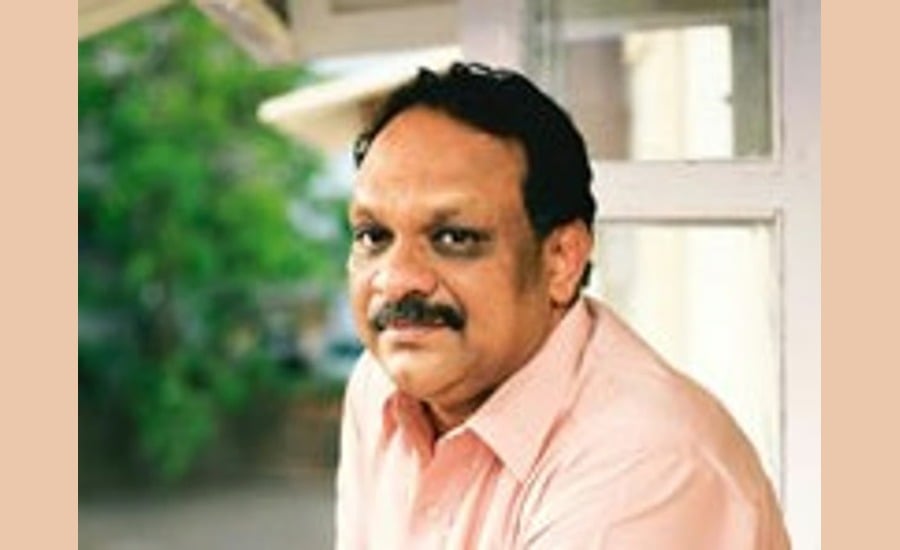
THIRUVANANTHAPURAM: P H Kurian, retired IAS officer, former Additional Chief Secretary of Kerala and former Controller General of Patents, Designs and Trade Marks, passed away on Wednesday, August 26, at the age of 67.
A 1986-batch IAS officer, Kurian held several important positions in the Kerala government and at the Centre during a career spanning administration, industrial development, information technology, intellectual property, revenue, disaster management and regulation.
He passed away in Thiruvananthapuram. His funeral is scheduled to be held on Saturday in Pampady, Kottayam, his native place.
Kurian was particularly known nationally for his tenure as Controller General of Patents, Designs and Trade Marks, during which he issued the landmark 2012 compulsory licence allowing Natco Pharma to manufacture a generic version of Bayer’s patented cancer drug Nexavar.
Who Was P H Kurian?
Born on January 20, 1959, in Pampady in Kottayam, Kerala, P H Kurian came from an agrarian family and had an academic background in Chemistry.
He obtained a postgraduate degree in Chemistry from the University of Kerala and subsequently pursued doctoral research in Organic Chemistry at the Indian Institute of Science (IISc), Bengaluru. While pursuing research at IISc, he cleared the Civil Services Examination and joined the IAS.
Kurian initially belonged to the Odisha cadre before moving to the Kerala cadre in 1993. He went on to serve in several field and senior administrative positions in Kerala.
His career included assignments as District Collector, Labour Commissioner, Project Director, Managing Director of the Kerala State Industrial Development Corporation (KSIDC), Secretary, Principal Secretary and Additional Chief Secretary.
Wide-Ranging Career in Kerala Administration
Kurian served as District Collector of Kottayam and Idukki and subsequently handled several major departments of the Kerala government.
He held senior positions in areas including Revenue, Industries, Information Technology, Water Resources, Public Works and Ports. His administrative career therefore extended across both conventional government departments and specialised areas requiring technical and policy expertise.
His background in Chemistry and research experience at IISc also gave him a technical perspective that proved useful in assignments involving technology, industry and intellectual property.
During his tenure in Kerala, he became associated with several initiatives involving industrial development, technology, e-governance and public administration.
The 2012 Nexavar Compulsory Licence That Made Him Nationally Known
Kurian’s most prominent national-level assignment was as Controller General of Patents, Designs and Trade Marks from 2009 to 2012 under the Union Ministry of Commerce and Industry.
His tenure is closely associated with the landmark March 2012 compulsory licence decision involving Bayer’s anti-cancer drug Nexavar.
On March 9, 2012, Kurian granted a compulsory licence to Natco Pharma to manufacture and sell a generic version of Bayer’s patented drug sorafenib tosylate, marketed as Nexavar. It was the first compulsory licence granted under Section 84 of India’s Patents Act, 1970.
The decision attracted considerable attention in India and internationally because it brought into focus the balance between patent protection, pharmaceutical innovation and access to affordable medicines.
At the time, Nexavar was priced at around ₹2.8 lakh for a month’s supply, while the compulsory licence enabled Natco to offer the medicine at a substantially lower price. Contemporary reports said the price could fall to around ₹8,800 per month.
The decision was subsequently challenged by Bayer. The Intellectual Property Appellate Board upheld the compulsory licence while modifying the royalty payable to the patent holder.
The ruling consequently became an important reference point in discussions around India’s intellectual-property regime and access to essential medicines.
Recognised for Intellectual Property Work
Kurian’s work in the intellectual-property field also earned him wider recognition.
During 2009-10, he was recognised among the 50 most influential personalities in the field of intellectual property, reflecting the significance of his work as the country’s top patent official.
His role in the Nexavar case became particularly prominent because it demonstrated how the statutory compulsory-licensing mechanism could be used when the requirements of the Patents Act were met, including concerns relating to availability and affordability of a patented product.
Role in Kerala’s IT and Startup Ecosystem
After his central deputation, Kurian returned to Kerala and resumed senior administrative responsibilities.
His career in the state’s Information Technology sector coincided with important developments in Kerala’s digital infrastructure and e-governance initiatives.
He served in IT-related assignments at different stages and was associated with the development and expansion of Kerala’s major technology hubs, including Technopark, Infopark and Cyberpark.
He was also involved in initiatives to promote the state’s startup ecosystem and technology-based entrepreneurship. His tenure coincided with the expansion of digital infrastructure and the Akshaya network, which was designed to improve citizens’ access to technology and government services.
Kurian also served as Executive Vice-President of the Science and Technology Department from December 2018, where he was involved in promoting technology and innovation initiatives.
Revenue and Disaster Management
Kurian’s administrative responsibilities also extended to Revenue and Disaster Management, areas that assumed particular importance during major natural disasters in Kerala.
As Revenue Secretary, he played a role in coordinating the state’s response to major emergencies, including Cyclone Ockhi and the devastating floods of 2018.
His work in this area included disaster preparedness, relief coordination and efforts aimed at strengthening institutional resilience against disasters and climate-related risks.
His administrative experience in revenue and disaster management added another important dimension to a career that had already covered technology, industry and intellectual property.
Role in Sabarimala Airport Project
Kurian was also associated with infrastructure and aviation-related initiatives in Kerala.
Among the projects linked to his administrative tenure was the process of identifying and acquiring land at Cheruvally Estate for the proposed Sabarimala Airport.
The assignment reflected the breadth of his responsibilities in Kerala, extending from technology and industrial policy to infrastructure and land administration.
Retirement From the IAS
Kurian retired from active government service as Additional Chief Secretary on January 31, 2019.
By the time of his retirement, he had accumulated extensive experience across several major portfolios and had served at both the state and Union government levels.
His career was notable for the combination of field administration, senior policymaking and specialised regulatory responsibilities.
Post-Retirement Role as Kerala RERA Chairman
Kurian continued to serve in public life after retirement.
He was appointed the Chairman of the Kerala Real Estate Regulatory Authority (K-RERA) and became associated with the implementation of the Real Estate (Regulation and Development) Act, 2016 in the state.
Official K-RERA records identify P H Kurian, IAS (Retd.) as Chairman and show him presiding over regulatory proceedings concerning real-estate projects and complaints.
In this role, he was involved in the regulation of real-estate projects, promoters and agents, with emphasis on compliance, transparency and safeguarding the interests of homebuyers.
He continued to serve in this regulatory capacity in the years following his retirement. Kerala’s official K-RERA records list him as Chairman in orders issued during his tenure.
A Career Spanning Administration, Technology and Regulation
Kurian’s professional profile stood out for the diversity of responsibilities he handled.
From district administration and labour affairs to industries, IT, revenue, disaster management and intellectual property, he worked across multiple domains of public policy.
At the national level, his tenure as Patent Controller brought him into the international spotlight. In Kerala, he was associated with technology and e-governance initiatives, industrial development, disaster management and regulatory administration.
His academic background in Chemistry and research experience at IISc added a technical dimension to his administrative career.
P H Kurian’s Legacy
Kurian’s legacy is closely associated with his willingness to take on complex policy and regulatory challenges.
The 2012 Nexavar compulsory licence remains the most internationally recognised episode of his career. The decision became a landmark in India’s intellectual-property history and highlighted the tension between patent rights and access to affordable medicines.
In Kerala, his contributions extended beyond a single policy area. His work encompassed technology-led governance, industrial development, revenue administration, disaster response, infrastructure and real-estate regulation.
His career consequently represents a blend of traditional civil administration, technical expertise, policy innovation and regulatory responsibility.
P H Kurian’s death marks the end of a distinguished career in public service spanning four decades, during which he served both as a senior administrator in Kerala and as a key national-level intellectual-property regulator.