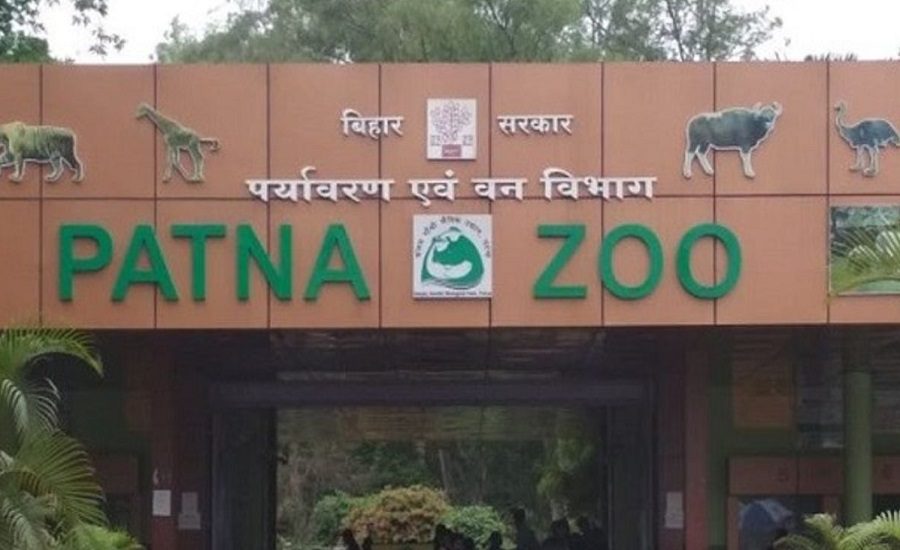
Patna: Human-wildlife coexistence is emerging as one of the most important approaches to protecting forests and wildlife. On the second day of Wildlife Week 2026, Patna Zoo organised an awareness programme where students learned about the causes of human-wildlife conflict, safe rescue practices and the importance of conserving different mammal species.
Experts explained that shrinking forest areas, changes in natural habitats and climate change can increase interactions between people and wild animals. They stressed that awareness, caution, timely rescue and scientific wildlife management can help reduce such conflicts.
The programme combined practical knowledge with discussions on wildlife diversity, giving students a closer understanding of both the challenges faced by wild animals and the role people can play in their protection.
Awareness Can Help Reduce Human-Wildlife Conflict
The first session focused on “Human-Wildlife Conflict and Measures for Its Prevention.” Wildlife veterinarian at Patna Zoo, Dr Manoj Kumar Tony, interacted with students and explained how different levels of intervention can help reduce conflict between communities and wild animals.
He highlighted the importance of creating awareness among people living near wildlife habitats. According to him, people need to remain alert and understand how to respond when wild animals enter human settlements or when encounters take place.
Timely rescue and proper management are equally important in such situations. A scientifically planned response can help protect both people and animals while preventing panic and unnecessary harm.
Read Also: Bihar’s Big Investment Push: Gadkari Says State Can Become Major Economic Hub
Students Learn How Wildlife Rescue Works
Dr Tony used the example of a rhinoceros rescued from Valmiki Tiger Reserve to explain the different stages involved in a wildlife rescue operation.
He told students that a rescue operation requires careful coordination and monitoring. Controlling the crowd around the animal is particularly important because large gatherings can increase stress for wildlife and make the operation more difficult.
Experts also need to continuously observe the animal’s movements and behaviour before taking further action. Dr Tony explained the importance of safely tranquillising an animal when required and discussed the precautions and procedures that need to be followed during tranquillisation.
The session helped students understand that wildlife rescue is not simply about removing an animal from a difficult situation. It requires trained personnel, scientific methods, careful observation and proper management to ensure the safety of both the animal and people.
More Than 5,000 Mammal Species Across the World
The second session focused on “A Brief Discussion on Mammals”, conducted by Dr Dilip Kumar Baitha.
He told students that more than 5,000 mammal species are found across the world. These species differ significantly in their size, physical characteristics, behaviour and lifestyles.
From small mammals to large animals, each species has a specific role within its ecosystem. Dr Baitha explained the diversity of mammals and highlighted their ecological importance.
He also emphasised the need for conservation, helping students understand that protecting individual species is closely linked to maintaining the balance of ecosystems.
Students Become Part of Wildlife Awareness Drive
A large number of college students participated in the awareness programme at Patna Zoo. The initiative aimed to make young people more sensitive towards wildlife and encourage a better understanding of human-wildlife coexistence.
The programme also provided students with practical information that can help them respond more responsibly when they encounter wildlife. Instead of fear or panic, awareness and appropriate action can play an important role in reducing unnecessary conflict.
The discussions on rescue operations and mammal diversity also helped connect classroom learning with real-world conservation challenges.
Why Human-Wildlife Coexistence Matters
Human-wildlife conflict can become more challenging when natural habitats change or shrink. Forest loss, changing environmental conditions and climate-related pressures can bring people and wildlife into closer contact.
In such circumstances, conservation requires more than protecting animals inside forests and protected areas. Communities living around wildlife habitats also need information about safe practices and appropriate responses.
The Patna Zoo programme placed this idea of coexistence at the centre of its awareness activities. By educating students about both wildlife behaviour and rescue procedures, the initiative sought to build a more informed and responsible approach towards wildlife conservation.
Wildlife Week Continues at Patna Zoo
The awareness programme forms part of the wider Wildlife Week 2026 activities being organised at Patna Zoo. Various educational and awareness programmes are being conducted during the week to increase public understanding of wildlife and conservation.
The activities are also intended to encourage students and visitors to look at wildlife protection from a broader perspective, including habitat conservation, responsible human behaviour and scientific management.
The Wildlife Week celebrations will conclude with a closing ceremony on October 8.
For students, such programmes offer an opportunity to learn about wildlife beyond textbooks. By bringing experts, rescue experiences and conservation discussions closer to young people, Patna Zoo is helping build awareness around a key conservation principle: protecting wildlife also requires learning how humans and wild animals can safely share the same environment.
Read Also: Bihar’s Pink Revolution: How 20,000 Women Turned Goat Farming Into a ₹15-Crore Business