New Delhi: The Centre is likely to launch the second phase of its Public Infrastructure Investment Trust (InvIT) programme in December 2026, with the National Highways Authority of India (NHAI) and two other public sector undertakings (PSUs) expected to offer infrastructure assets for monetisation.
According to report citing a senior government official, the upcoming Public InvIT 2.0 programme will cover assets from three major public sector infrastructure companies. The assets are expected to span the roads, highways, railways and power sectors, although the identities of the other two PSUs have not yet been disclosed.
The second phase will include a fresh set of NHAI road assets, expanding the government’s efforts to attract investment in operational infrastructure and generate funds for further development.
Public InvIT 2.0 to Cover Roads, Railways and Power Assets
The proposed second phase will expand the scope of the government’s public infrastructure monetisation programme by bringing assets from three major public sector infrastructure companies under the investment trust framework.
According to the official cited in the report, the programme will cover:
- Roads and highways: A new set of operational road assets from NHAI.
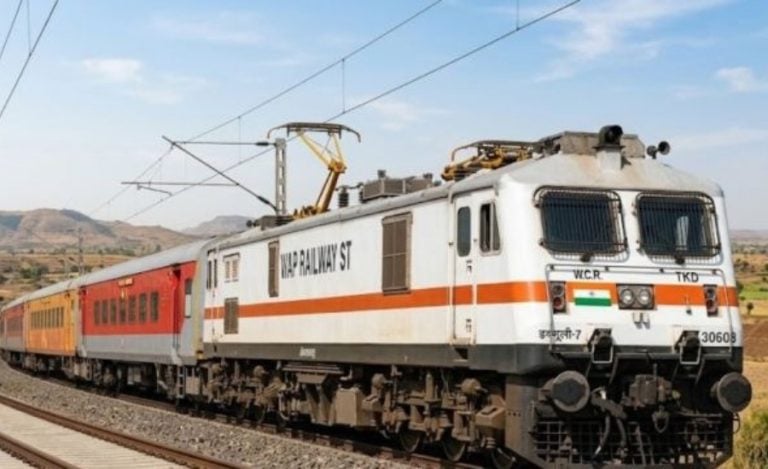
- Railways: Infrastructure assets from the railway sector.
- Power: Eligible assets from the power sector.
- Other public infrastructure: Assets offered by two additional public sector infrastructure companies whose names are yet to be announced.
The programme is expected to provide investors with access to income-generating infrastructure assets while enabling public sector companies to unlock capital tied up in existing projects.
Read also: NHAI Launches Toll Plaza Feedback Feature on Rajmargyatra App to Improve Highway User Experience
What Is a Public Infrastructure Investment Trust (InvIT)?
An Infrastructure Investment Trust, or InvIT, is an investment vehicle that pools money from investors and invests it in infrastructure assets that generate regular income.
The model works similarly to a mutual fund in that it allows investors to participate in a portfolio of assets. In the case of infrastructure InvITs, these assets may include operational toll roads and other revenue-generating projects.
Returns are primarily linked to the income generated by the underlying assets, subject to the trust’s structure, expenses and applicable regulations.
The public InvIT framework was introduced to allow retail investors to participate in infrastructure monetisation. It also provides the government and public sector infrastructure companies with an alternative way to raise funds from operational assets.
How InvITs Help the Government Raise Funds for Infrastructure
The InvIT model allows the government to monetise operational infrastructure assets instead of relying entirely on fresh budgetary allocations to finance new projects.
The process offers several potential benefits:
- Capital mobilisation: Funds can be raised by transferring eligible operational assets to an investment trust.
- Reinvestment in infrastructure: Proceeds can support the development of additional roads and other infrastructure projects.
- Retail investor participation: Public offerings provide individual investors with an opportunity to invest in infrastructure assets.
- Efficient use of existing assets: Monetisation unlocks capital from completed projects that are already generating revenue.
- Reduced dependence on budgetary support: Funds raised through asset monetisation can supplement other sources of infrastructure financing.
Through this approach, the government aims to recycle capital from existing infrastructure into new development projects.
NHAI’s First Public InvIT: Raajmarg Infra Investment Trust
In the first phase of the programme, NHAI established the Raajmarg Infra Investment Trust (RIIT), which is regulated by the Securities and Exchange Board of India (SEBI).
RIIT launched an initial public offering (IPO) worth ₹6,000 crore in March 2026, marking a key step in opening infrastructure asset monetisation to public investors.
According to an official release dated March 24, 2026, RIIT secured the rights to five operational national highway stretches across four states:
- Jharkhand
- Tamil Nadu
- Andhra Pradesh
- Karnataka
The five highway stretches had a combined concession value of approximately ₹9,500 crore. The acquisition was financed through the equity issue and bank loans.
The arrangement allows NHAI to monetise operational highway assets while enabling the investment trust to generate revenue from the underlying concessions.
Public InvIT 2.0 to Expand Infrastructure Monetisation
The proposed December launch of Public InvIT 2.0 is expected to widen the asset monetisation programme beyond its first phase by including additional infrastructure assets from NHAI and two other public sector companies.
While the identities of the two additional PSUs and the specific assets to be offered have not yet been disclosed, the programme is expected to cover roads, railways and power infrastructure.
The next phase will build on the first public InvIT offering and could provide another channel for mobilising investment in India’s infrastructure sector. Its final scope and implementation will depend on the assets selected and the subsequent programme announcements.
Read also: NRDC Appoints CEL CMD Shankar Narayan as Additional Chairman and Managing Director