Chandigarh: Punjab is looking to expand its manufacturing base by developing the defence and aerospace sectors, as the state government seeks to attract investment, strengthen local supply chains and generate employment.
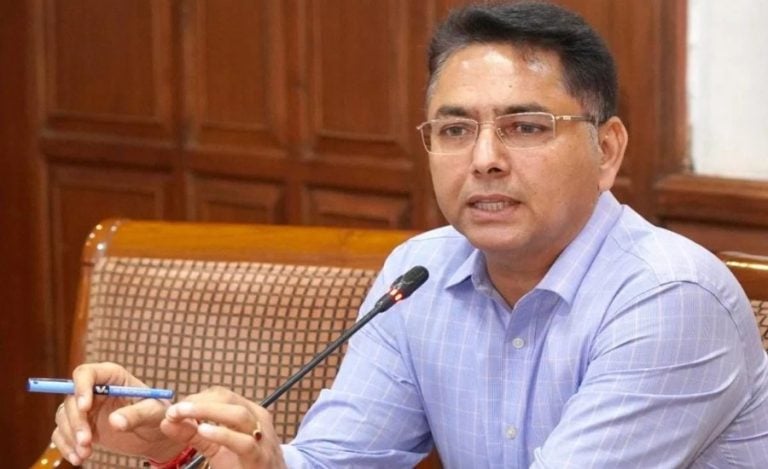
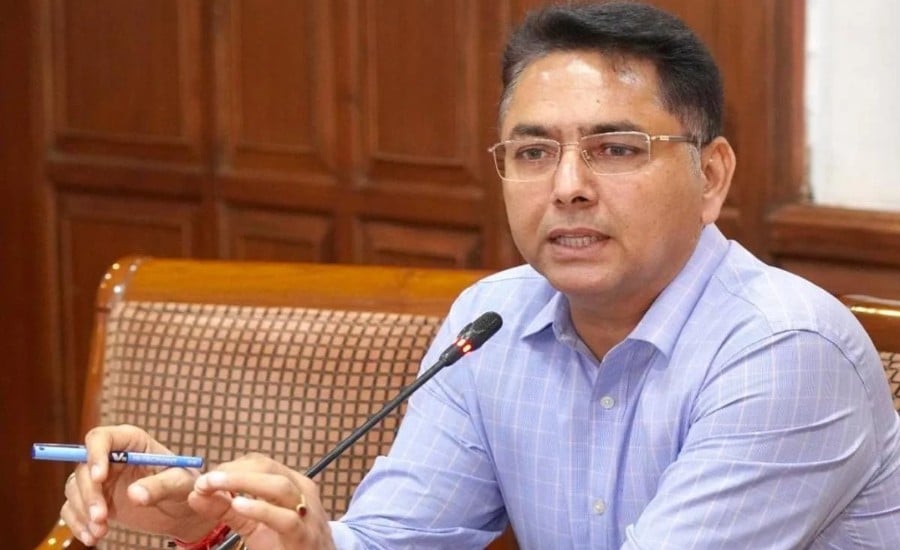
Industries and Commerce Minister Aman Arora outlined the state’s industrial priorities while inaugurating the ninth CII Manufacturing Excellence Exposition in Chandigarh on October 13. Former Chief of the Air Staff, Air Chief Marshal B.S. Dhanoa (Retd.), was also present at the event.
Arora said Punjab had received investment proposals worth ₹1.92 lakh crore since 2022, with the potential to generate approximately 6.5 lakh jobs.
He added that the state received 1,626 investment proposals worth ₹32,110 crore between April 1 and September 30, 2026, with the potential to create 91,236 jobs.
Key Highlights of Punjab’s Industrial Growth Plans
The state government is seeking to build on its established manufacturing base while encouraging investment in emerging industrial sectors.
Read Also: From Dams to Destinations: Punjab Clears Ranjitgarh Development Authority Bill
The figures represent investment proposals and their projected employment potential, rather than confirmation that all the proposed investments have been implemented or all the jobs created.
Defence and Aerospace Identified as Emerging Opportunities
Arora identified defence and aerospace as potential growth areas for Punjab’s engineering and manufacturing industries.
The state already has manufacturing capabilities in sectors such as auto components, tractors, bicycles, hand tools, sports goods, hosiery and steel products. According to the minister, these capabilities could provide a foundation for local companies seeking to supply precision-engineered components to defence and aerospace manufacturers.
He also called for stronger connections between local manufacturers and larger companies, including public sector undertakings (PSUs), to expand business opportunities for Punjab-based suppliers.
The minister said, “Every proposal means a new or bigger factory, more jobs and more business for local suppliers.”
The emphasis on local sourcing is intended to help micro, small and medium enterprises (MSMEs) participate more actively in industrial supply chains.
Punjab Industrial Policy 2026 Offers Incentives
The state government is promoting investment through its Industrial and Business Development Policy 2026, which provides fiscal incentives for eligible businesses in specified categories and priority sectors.
Arora said the policy offers incentives of up to 125% of eligible capital investment in certain priority sectors, including defence and aerospace, electric vehicles, auto components, electronics, textiles, food processing and sports goods.
The precise incentives available to individual businesses depend on the policy’s eligibility conditions, investment category and applicable limits.
The policy was developed with industry participation through 24 sectoral committees, according to the minister. The government says this approach is intended to incorporate industry requirements into its investment and manufacturing framework.
FastTrack Punjab Aims to Simplify Approvals
Arora also highlighted the revamped FastTrack Punjab single-window system, an online platform designed to simplify access to government permissions and approvals.
According to the minister, the system provides for time-bound approvals within 45 working days.
The initiative is intended to reduce procedural delays and make it easier for businesses to navigate the permissions required to establish or expand industrial operations.
Key features highlighted by the government include:
- Online access to relevant permissions.
- A single-window mechanism for businesses.
- Time-bound processing of approvals.
- Support for investors navigating government procedures.
The effectiveness of these measures will depend on their implementation and the experience of businesses using the system.
Minister Urges Industry to Strengthen MSME Supply Chains
Arora called on large manufacturers and public sector companies to increase procurement from Punjab’s MSMEs.
He said stronger local supplier networks could help distribute the benefits of industrial expansion across smaller businesses, rather than concentrating opportunities only among large manufacturers.
“When local suppliers grow, the whole industry grows,” he said.
The minister’s remarks placed particular emphasis on vendor development and cooperation between major manufacturers and smaller engineering firms. Such partnerships could help local enterprises meet the quality, delivery and technical requirements of larger industrial buyers.
During the exposition, the minister also highlighted the importance of manufacturing excellence, including improved product quality, reduced waste, timely delivery, competitive pricing and the adoption of new technologies.
Industry-Academia Collaboration to Support Skilled Employment
Arora urged industrial companies to work more closely with Industrial Training Institutes (ITIs), polytechnics and engineering colleges across Punjab.
The proposed collaboration is intended to align technical education with the changing requirements of manufacturing and emerging sectors such as defence and aerospace.
Closer coordination between employers and educational institutions could help students develop industry-relevant skills and improve their access to employment opportunities within the state.
The approach also complements Punjab’s efforts to expand manufacturing by ensuring that businesses have access to workers with the technical training required for modern production.
Manufacturing Remains Central to Punjab’s Investment Strategy
Punjab’s manufacturing sector includes established industries producing automotive components, agricultural machinery, bicycles, hand tools, textiles, sports goods and steel products.
The state government is seeking to build on this industrial base by attracting investment into additional high-value sectors and strengthening the participation of local suppliers.
The ninth CII Manufacturing Excellence Exposition provided a platform for manufacturers to showcase products and technologies and explore potential business partnerships.
With defence and aerospace identified as emerging opportunities, the state’s next challenge will be to convert investment proposals into operational projects, strengthen supply-chain linkages and translate projected employment into actual jobs.