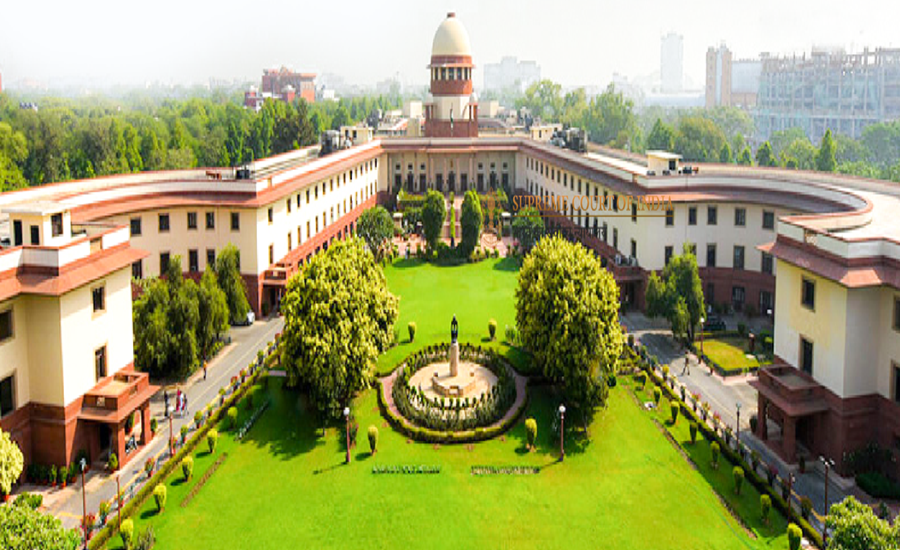
New Delhi: Election black money issue has come under sharp scrutiny after the Supreme Court of India issued a series of important directions to curb the use of unaccounted cash during polls. The court said that black money and illegal cash used to influence voters strike at the heart of democracy and weaken free and fair elections. The ruling aims to improve transparency, speed up investigations, and ensure stronger accountability in election-related offences.
Why Did the Supreme Court Hear the Election Black Money Issue
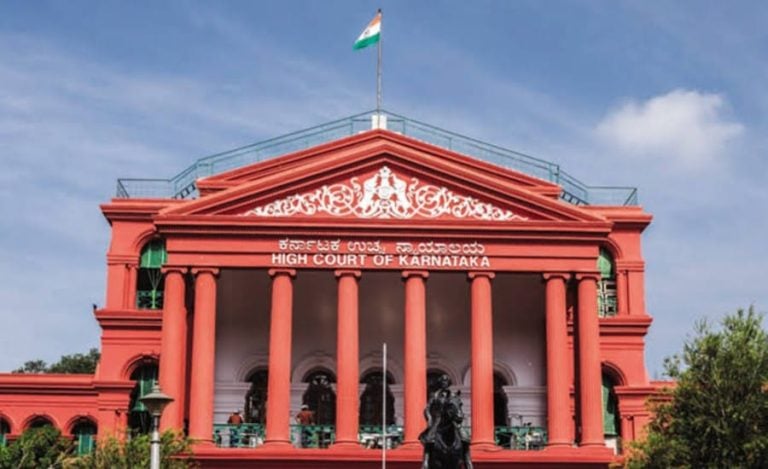
The case arose from a 2014 Lok Sabha election matter in Karnataka. A candidate was accused of storing a large amount of cash allegedly meant for voter bribery. The Karnataka High Court had earlier quashed the FIR, leading to an appeal before the Supreme Court.
Read also: Indian Air Force Exit Policy Explained After Supreme Court’s Latest Ruling
While hearing the appeal, the Supreme Court expanded its focus to address the larger issue of black money and electoral corruption across India.
Election Black Money Issue: What Did the Supreme Court Say
A bench of Justice Sanjay Karol and Justice Nongmeikapam Kotiswar Singh observed that democracy can function properly only when elections are free, fair, and free from manipulation.
The court stated that unaccounted cash used to influence voters compromises the very essence of democracy and undermines the rule of law. It emphasized that voters should make independent choices without being influenced by money power.
Concerns Over Election-Related Cases
The Supreme Court noted that a large number of election-related criminal cases remain pending for years.
Data placed before the court showed that thousands of FIRs were registered during elections, but only a small percentage resulted in convictions. The court expressed concern that delays in investigations and trials weaken public confidence in the electoral process.
Key Directions Issued by the Supreme Court
1. One-Year Deadline for Investigations
The court directed investigating agencies to make every effort to complete investigations into election-related offences within one year of FIR registration. If there is any delay, the reasons must be recorded in writing and reported to the Election Commission of India (ECI).
2. Mandatory Reporting of Cash Seizures
Authorities seizing cash or assets linked to election offences must report the matter within 24 hours to the concerned District Magistrate, Additional District Magistrate, or Court. The report must clearly explain the suspected connection with an electoral offence.
3. Quarterly Progress Reports
Investigating officers must submit quarterly investigation status reports to the Election Commission through designated nodal officers. These reports must be approved by senior police officials.
4. Reporting Large Cash Recoveries
If Static Surveillance Teams detect cash exceeding ₹10 lakh, the matter must also be reported to Income Tax authorities for further examination.
5. Faster Disposal of Cases
The Supreme Court urged courts across the country to prioritize and quickly dispose of election-related criminal cases involving candidates, Members of Parliament, and Members of Legislative Assemblies.
6. Restrictions on Withdrawal of Cases
The court reiterated that prosecution in election-related offences cannot be withdrawn without approval from the concerned High Court, following existing legal principles.
Election Black Money Issue: Election Commission’s Concerns
The Election Commission informed the court that the withdrawal of election-related prosecutions can send the wrong message to voters. According to the Commission, it may encourage electoral malpractices if offenders believe cases can later be withdrawn.
Election Black Money Issue: International Practices Considered
The court also reviewed global practices shared by Amicus Curiae Dr. Swapnil Tripathi.
The study examined election-related legal systems in countries including Australia, Canada, Bangladesh, and Indonesia.
It found that in many democracies, decisions to prosecute election offences are handled independently by public prosecutors.
What Happens Next?
The Supreme Court has directed the Election Commission of India and state governments to file compliance reports by November 18, 2026.
The implementation of these directions will be closely watched ahead of future elections.
Read also: NDPS Act Reform Plea: Why Is the Supreme Court Concerned About Drug Trafficking in India?