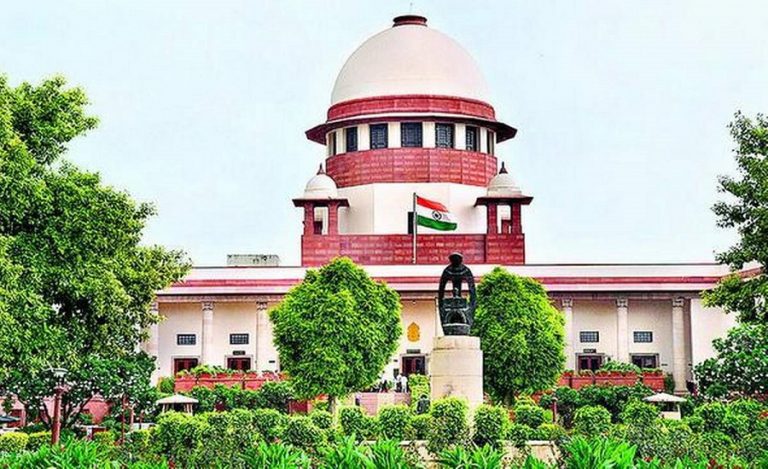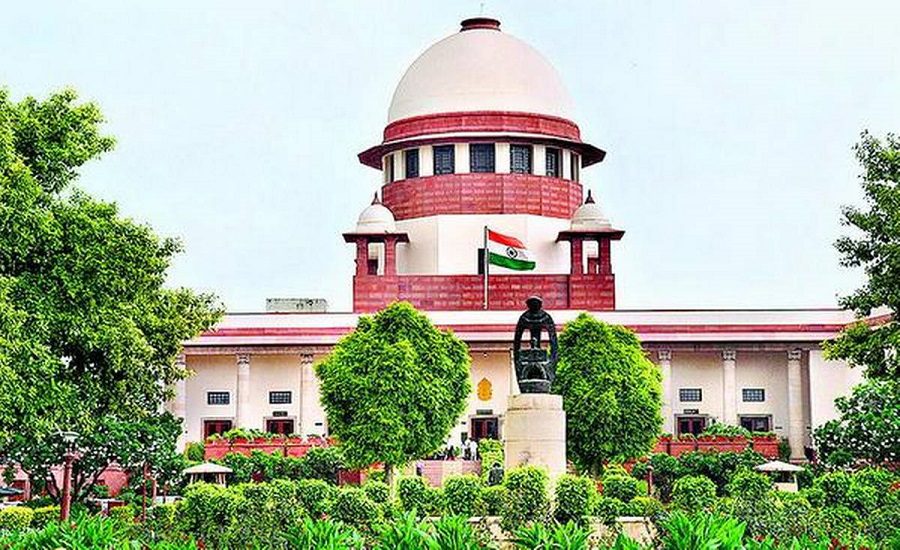
New Delhi: The fake law degree issue in India has reached the Supreme Court, with the top court expressing serious concern over thousands of people allegedly practicing law using doubtful or fraudulent qualifications. The Court said the Central Bureau of Investigation (CBI) should ideally step in and investigate the matter. The remarks came during a hearing before a Bench led by Chief Justice of India Surya Kant and Justice Joymalya Bagchi.
Fake Law Degree Issue: What Did the Supreme Court Say?
According to reports, the Supreme Court strongly reacted to the growing number of advocates allegedly practicing with fake or questionable degrees.
Read also: Article 19 Explained: Supreme Court Declares Mother Tongue Education a Fundamental Right
The Bench observed that:
- Thousands of people wearing black coats may have doubtful educational qualifications.
- The issue affects the credibility of the Indian legal system.
- A central investigation agency like the CBI should ideally look into the matter.
- Strong action may be needed against fraudulent enrollments.
The Court reportedly stated that “thousands of fraudulent people wearing black robes” may be practicing law.
What is the Importance of SC Intervention in Fake Law Degree Issue
Lawyers play a critical role in the justice system. If individuals with fake degrees enter the profession:
- Court proceedings can be compromised.
- Innocent clients may suffer.
- Trust in the judiciary can weaken.
- Genuine law graduates face unfair competition.
Legal experts say the issue is not just about fake certificates but also about possible organized networks helping fraudulent enrollments.
Fake Law Degree Issue: Previous Cases Raised Similar Concerns
This is not the first time authorities have found fake law degree cases in India.
In a recent case, the Bar Council of India removed an advocate after discovering forged law degrees and fake marksheets. Authorities also suspected the involvement of intermediaries and insiders in helping fraudulent enrollments.
The Bar Council of India (BCI) has previously directed state bar councils to verify documents more strictly and investigate suspicious enrollments.
Role of the Bar Council of India
The Bar Council of India is responsible for regulating legal education and lawyer enrollments in India.
Its responsibilities include:
- Recognizing law colleges
- Verifying law degrees
- Regulating advocate enrollments
- Maintaining professional ethics
Experts believe stricter digital verification systems and university cross-checking may help reduce fake enrollments in the future.
Could the CBI Launch a Probe?
The Supreme Court did not directly order a CBI investigation at this stage. However, the Court’s remarks are significant because they indicate serious concern at the highest judicial level.
If a formal probe happens, investigators may examine:
- Fake law universities or colleges
- Forged educational certificates
- Enrollment fraud networks
- Possible involvement of middlemen or insiders
Read also: Supreme Court Mandates Panic Buttons & GPS in All Public Transport Vehicles