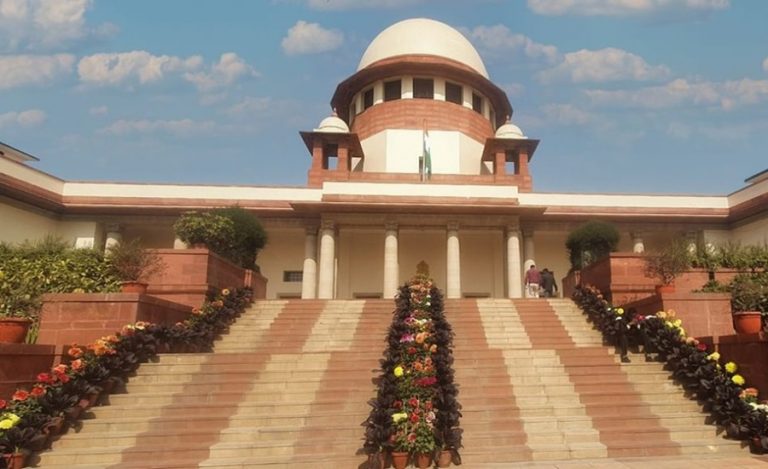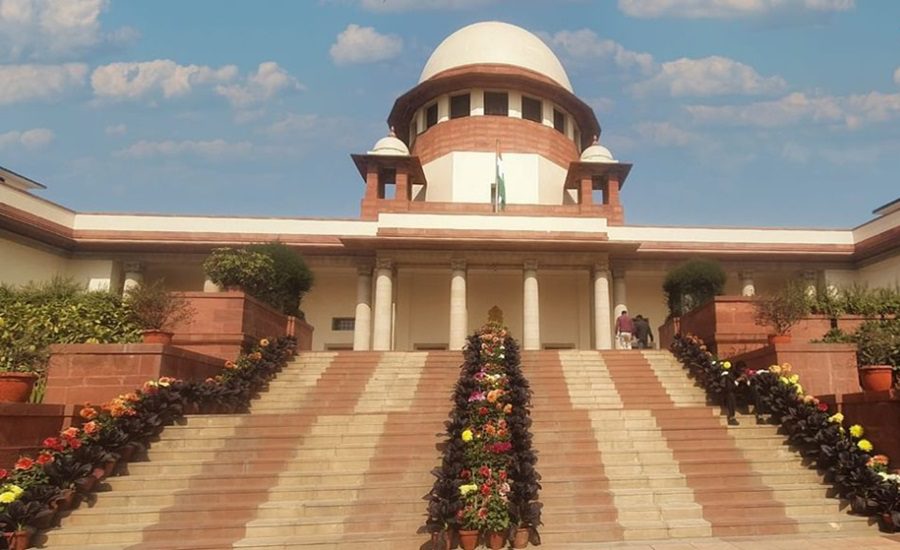
New Delhi: The Supreme Court of India has raised serious concerns over the Ministry of Corporate Affairs (MCA) controlling the administration of the National Company Law Tribunal (NCLT). On October 29, 2026, the court questioned the ministry’s role in staff appointments and recruitment outsourcing. It stressed that the NCLT President should have the authority to appoint tribunal staff to protect the institution’s independence and proper functioning.
NCLT Administration Row: Supreme Court Questions MCA’s Control Over NCLT
A bench led by Chief Justice of India Surya Kant, along with Justices Joymalya Bagchi and V. Mohana, expressed strong concerns about the MCA’s alleged interference in the NCLT’s administration.
The court observed that the tribunal’s functioning had been affected by excessive control from the ministry. It warned that such control could weaken the independence of an institution responsible for deciding important company and insolvency cases.
The Supreme Court said that the power to appoint staff should rest with the NCLT President rather than being controlled by the ministry or private contractors.
Background of NCLT Administration Row
The issue came before the court after the MCA awarded a contract to a private company to provide administrative staff for the NCLT.
The recruitment arrangement included positions such as deputy registrars, assistant registrars and stenographers. Existing contractual employees raised concerns that they could lose their jobs because of the new arrangement.
The employees approached the court seeking protection against possible removal. However, the bench did not grant immediate protection to them.
The court also questioned whether contractual employees appointed without a proper competitive recruitment process had an automatic right to continue in their positions.
It clarified that the matter needed to be examined in the larger public interest, rather than only to protect the employment of existing staff.
NCLT Administration Row: NCLT Faces Major Staff Shortage
The Supreme Court was also informed about the serious shortage of administrative employees at the tribunal.
According to the information presented before the court, only 67 out of 320 sanctioned regular administrative posts were filled. This means that 253 positions remained vacant.
The shortage is affecting the tribunal’s ability to manage its daily work, maintain judicial records and handle company-related disputes efficiently.
The court suggested appointing experienced government officials on deputation as an immediate measure. It also discussed regular recruitment in phases with the support of central recruitment agencies such as the Union Public Service Commission (UPSC) and Staff Selection Commission (SSC).
Supreme Court Raises Concerns Over NCLT Infrastructure
Apart from staff shortages, the court expressed concern over the poor infrastructure at the NCLT’s Principal Bench in Delhi.
The NCLT Bar Association informed the bench that some floors of the tribunal building had been closed because of serious infrastructure problems. It also highlighted that several courts were functioning with reduced capacity.
The court stressed that tribunals must receive proper buildings, staff and basic facilities to perform their judicial responsibilities effectively.
It also suggested appointing an officer of Deputy Registrar or Joint Registrar rank at every NCLT bench to maintain judicial records properly.
NCLT And NCLAT Asked To Submit Proposals Within Four Weeks
The Supreme Court directed the Presidents of the NCLT and the National Company Law Appellate Tribunal (NCLAT) to prepare detailed proposals explaining their requirements.
These proposals must cover:
- Administrative and judicial staff requirements.
- Buildings, land and infrastructure needs.
- Basic facilities required for tribunal operations.
- Arrangements for maintaining judicial records.
The bench asked both tribunal presidents to submit their proposals within four weeks.
It also asked Attorney General R. Venkataramani to impress upon the Union Government the need to provide basic facilities to the tribunals without unnecessary delay.
Read also: Why The Supreme Court Called India’s Criminal Justice System A ‘Wounded Republic’
FAQs
According to information presented before the Supreme Court, 253 out of 320 sanctioned regular administrative posts were vacant.
The Supreme Court questioned the MCA’s alleged excessive control over NCLT administration because it could affect the tribunal’s independence and staff appointment process.
The Supreme Court directed both tribunal presidents to submit detailed proposals on staffing, buildings, land and infrastructure requirements within four weeks.