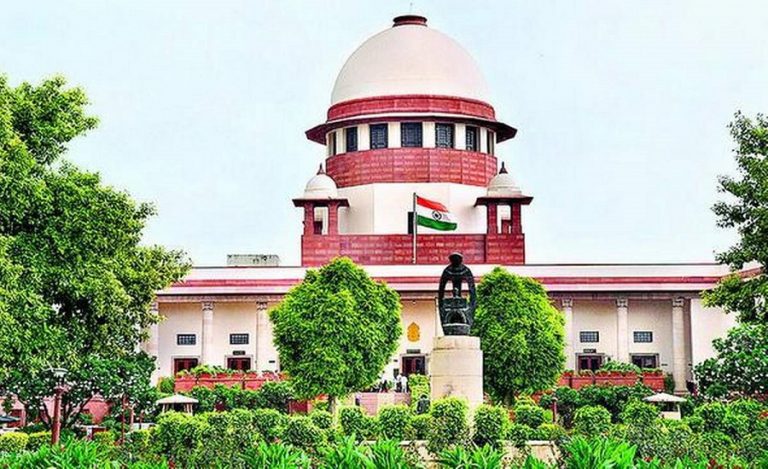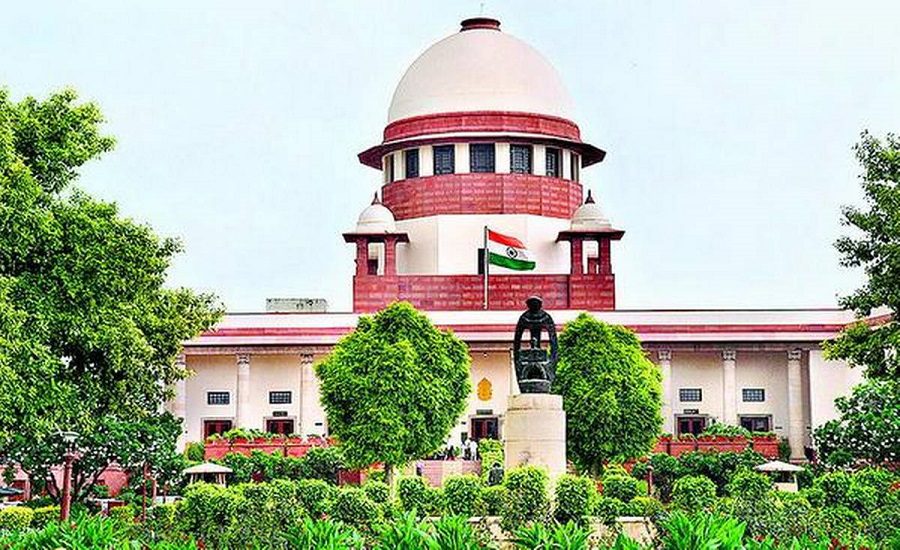
New Delhi: The Supreme Court consumer rights ruling has brought major relief for electricity users and consumers across India. In a significant judgment, the Supreme Court ruled that consumers cannot be forced to pay for services they no longer receive.
The court emphasized that tariff decisions must protect public interest and should not become a burden on consumers. The verdict came in connection with the Rithala Combined Cycle Power Plant case in Delhi and is being seen as an important step toward stronger consumer protection in India.
Details of Supreme Court Consumer Rights Ruling
A bench of Justice P S Narasimha and justice Alok Aradhe said consumers cannot be required to pay for a service that is no longer being provided to them.
The court clearly stated that tariff determination is not only about calculations and financial recovery. It is also about maintaining a balance between utility companies and consumer welfare.
According to the court, protecting consumer interests is a key objective under the Electricity Act, 2003.
Background of the Supreme Court Consumer Rights Ruling
The dispute was related to the Rithala Combined Cycle Power Plant in Delhi. The plant was established ahead of the 2010 Commonwealth Games to meet urgent electricity demand in the capital.
However, electricity supply from the plant stopped in March 2018. Despite this, there was a move to recover the remaining capital cost of the plant from consumers through tariff charges over a long period.
Earlier, the Appellate Tribunal for Electricity (APTEL) had allowed recovery of the plant’s full capital cost through depreciation over 15 years. But the Supreme Court overturned that decision and restored the 2019 order of the Delhi Electricity Regulatory Commission (DERC).
Why the Judgment Matters
This ruling is important because it strengthens the principle that consumers should only pay for active and usable services.
The Supreme Court observed that if electricity is no longer being supplied, consumers cannot continue to bear financial charges linked to that service. The court also highlighted that the original Power Purchase Agreement for the project was approved only for six years.
Legal experts believe this judgment may influence future cases involving electricity tariffs, telecom charges, subscription services, and other sectors where consumers are sometimes billed for unused or discontinued services.
Supreme Court Consumer Rights Ruling: Big Relief for Electricity Consumers
The judgment is expected to provide relief to electricity users, especially in cases where non-operational infrastructure costs are passed on to consumers.
Consumer rights advocates say the ruling reinforces accountability among utility companies and regulatory authorities. It also sends a strong message that public interest must remain the top priority in tariff-related matters.
The court stressed that reasonable cost recovery for companies is important, but it cannot override the responsibility to safeguard consumers.
Impact on Future Regulatory Decisions
Experts believe the ruling could become a landmark precedent for future regulatory and consumer protection cases in India.
The decision may encourage regulators to examine tariff proposals more carefully and ensure consumers are not unfairly burdened with costs for inactive projects or unused services.
It also strengthens trust in India’s consumer protection framework at a time when billing transparency and fair pricing are becoming major public concerns.