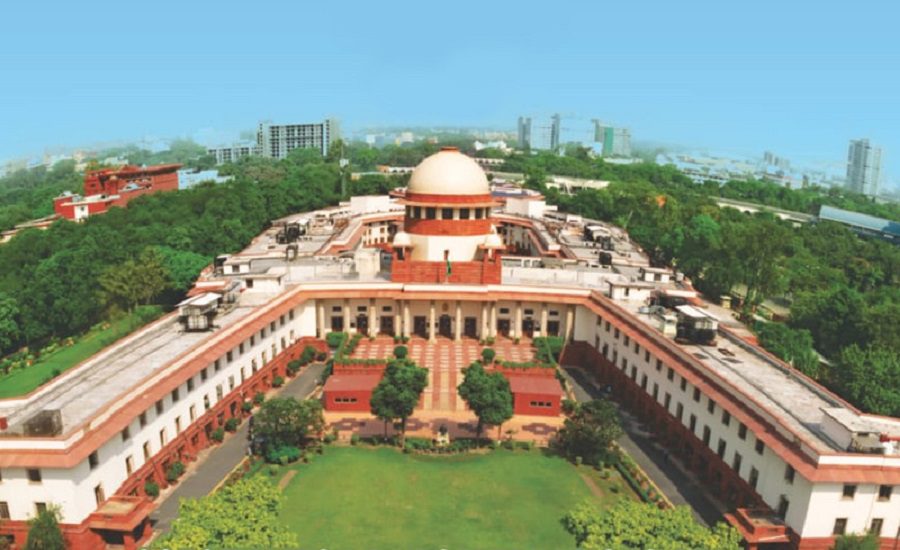
Madras: The Union Government informed the court that all remaining unfilled seats earmarked for Tamil Nadu’s in-service doctors would be returned to Tamil Nadu. The development comes amid an ongoing dispute over 151 vacant super-speciality medical seats and their allocation after counselling rounds.
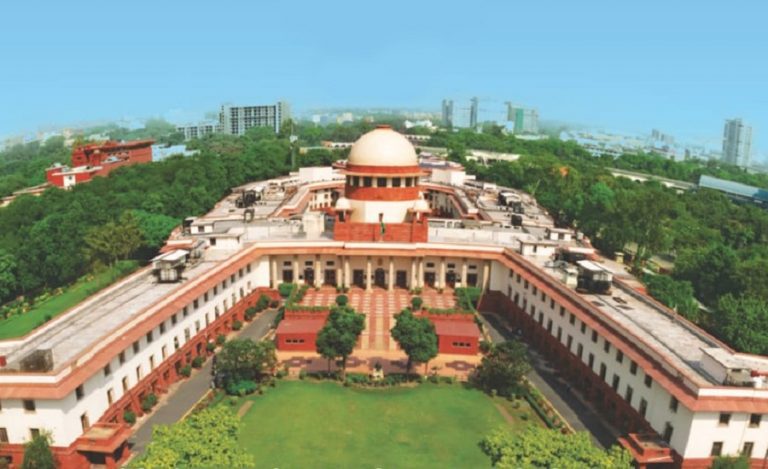
The matter was heard by a bench comprising Justice P.S. Narasimha and Justice Alok Aradhe. The court was informed that the Centre is considering a reduction in the qualifying percentile and would take a final decision after further discussions.
Tamil Nadu NEET-SS Unfilled Seats Row: What The Union Government Told The Supreme Court
During the hearing, Additional Solicitor General Aishwarya Bhati submitted that the Union Government intends to return all unfilled seats to Tamil Nadu.
The Centre stated that if some seats remain vacant even after further counselling and any reduction in qualifying percentile, those seats would be handed back to the State Government.
This statement is significant because Tamil Nadu had sought the return of all vacant in-service seats instead of only a portion of them.
Background Of The Tamil Nadu NEET-SS Unfilled Seats Row
The controversy began after the Supreme Court directed Tamil Nadu to surrender 151 vacant super-speciality medical seats to the Directorate General of Health Services (DGHS) for allocation through the All India Quota merit list.
These seats were originally reserved for in-service doctors under Tamil Nadu’s policy of providing 50% reservation in super-speciality courses for government doctors serving in the public healthcare system.
Tamil Nadu Medical Officers Association later approached the Supreme Court seeking modification of the order. The association argued that the vacant seats should remain available to eligible in-service doctors in the State.
Why The Seats Remained Vacant
According to submissions before the court, several candidates were waiting for a reduction in the qualifying percentile for NEET-SS admissions.
The petitioners argued that many eligible doctors could secure admission if the qualifying criteria were relaxed. Therefore, surrendering all seats immediately could deprive in-service doctors of opportunities for higher medical education.
Tamil Nadu NEET-SS Unfilled Seats Row: Supreme Court Examining Larger Reservation Issue
While recording the Centre’s statement, the Supreme Court indicated that a larger legal issue still requires examination.
The court is considering whether reservation in super-speciality medical courses can continue and how such reservations should be implemented within the framework of existing judicial precedents. As a result, the matter has not been fully disposed of and further hearings are expected.
Importance For Tamil Nadu Healthcare System
Tamil Nadu has consistently argued that in-service reservation helps strengthen the public healthcare system. Doctors who receive super-speciality training under the quota often continue serving in government hospitals, helping improve access to advanced medical care across the State.
The outcome of this case could have long-term implications for medical admissions, reservation policies, and healthcare staffing in Tamil Nadu.
Read also: Attorney General Must Be Involved In Key BCI Decisions, Supreme Court Rules
FAQs
Tamil Nadu argued that many in-service doctors could get admission if the NEET-SS qualifying percentile was reduced, making it unnecessary to transfer all vacant seats to the All India Quota.
The 151 seats are vacant super-speciality medical seats in Tamil Nadu that were originally reserved for in-service government doctors and later became the subject of a Supreme Court dispute.
The Union Government informed the Supreme Court that all remaining unfilled super-speciality seats would be returned to Tamil Nadu after the counselling process and any decision regarding percentile reduction.