Lucknow: Uttar Pradesh is preparing a five-year economic development project focused on 28 districts of Purvanchal, with the proposed UP Enabling District-Led Economic Growth (UP-EDGE) initiative aimed at turning local resources and economic potential into investment, employment, entrepreneurship and export opportunities.
The project, proposed with World Bank support, is estimated to cost around ₹2,500 crore. The state government has also proposed including seven districts of Bundelkhand in the initiative. A Preliminary Project Report (PPR) is proposed to be sent to the Government of India as the project moves forward.
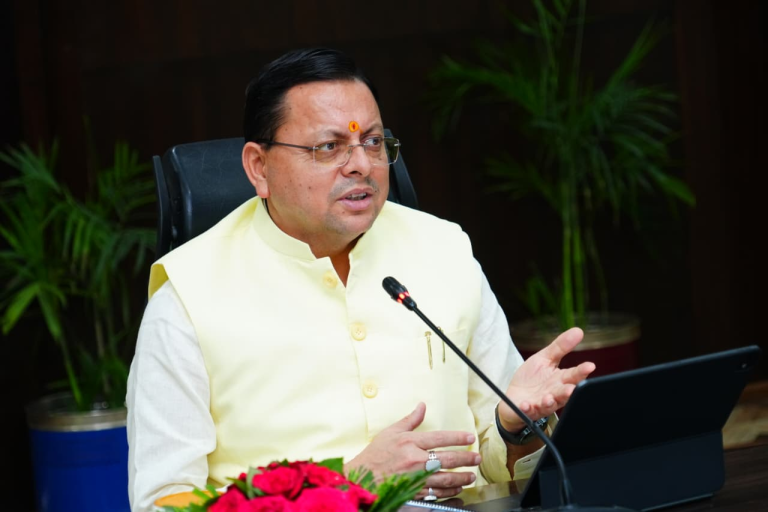
The plan was discussed during a meeting between Uttar Pradesh Chief Minister Yogi Adityanath and World Bank officials. The discussions covered the proposed components of the project and the approach for developing district-specific economic plans.
Focus on District-Level Economic Growth
The UP-EDGE project is being designed around the economic needs and potential of individual districts rather than following a single development model for the entire region.
According to the details discussed at the meeting, Purvanchal accounts for nearly 40% of Uttar Pradesh’s population but contributes around 27.6% to the state’s GDP. The region’s per capita income is about 45% below the state average, while nearly 80% of its workforce is linked to agriculture.
These figures have placed greater emphasis on diversifying the regional economy and creating opportunities beyond traditional agricultural activities. The proposed project seeks to strengthen investment, entrepreneurship, employment and exports while also improving the capacity of local administrations.
Read Also: Yogi Adityanath Calls for Stronger Organisation, Highlights UP’s Economic and Development Push
Agriculture to Manufacturing and Services
Yogi Adityanath said district-level development plans should consider local requirements, available resources and economic opportunities.
The Chief Minister stressed that agriculture would remain important, but manufacturing and services would also need a larger role in the region’s economic growth.
The approach could allow districts to identify sectors where they have existing strengths and then develop investment plans around those strengths. This could include local production, processing, tourism, healthcare, education, digital services and other emerging sectors.
The focus is also on moving local products beyond local markets by improving their design, packaging and market access.
One District One Product Gets Wider Market Push
The One District One Product (ODOP) programme and other locally produced goods are expected to receive attention under the proposed development approach.
Yogi said local products should be connected with newer market systems and global markets so that producers can access wider opportunities.
Better packaging, product design, branding and market linkages can help local businesses compete beyond their immediate markets. The broader objective is to connect district-level economic activity with investment and export opportunities.
Target of Around 1 Lakh New Enterprises
One of the notable proposals under the project is the development of around 1 lakh new enterprises.
The plan also proposes greater participation of women entrepreneurs. This could expand the role of small businesses and local entrepreneurship in generating employment and income within districts.
Rather than concentrating economic activity only in major cities, the district-led approach is intended to create opportunities closer to where people live and work.
For a region where a large share of the workforce remains dependent on agriculture, expanding non-farm businesses could also support broader economic diversification.
Tourism, Healthcare and Digital Economy in Focus
The proposed UP-EDGE framework is expected to explore opportunities across several sectors.
These include tourism, education, healthcare, e-commerce, data centres and digital districts. The plan also looks at developing sector-specific opportunities based on the strengths of individual locations.
Varanasi, Gorakhpur and Prayagraj, which are major educational centres, are expected to receive attention for skill development and training.
Healthcare is another area identified for potential expansion. The state has discussed opportunities related to medicities and health tourism, which could create new investment and service-sector opportunities.
Skills and Training to Support New Jobs
Economic expansion will also require a workforce equipped with relevant skills.
The proposed project therefore places emphasis on skill development and training, particularly in major educational centres. The idea is to connect local human resources with emerging employment opportunities created through new investments and enterprises.
This could help bridge the gap between available jobs and the skills of local workers as the region expands into manufacturing, services, digital businesses and other sectors.
Proposed Inclusion of Seven Bundelkhand Districts
While the UP-EDGE project has been prepared for 28 districts of Purvanchal, the Uttar Pradesh government has also proposed including seven districts of Bundelkhand.
The proposed expansion would bring another economically significant region into the district-led development framework. The seven Bundelkhand districts referred to in state planning documents are Chitrakoot, Banda, Jhansi, Jalaun, Hamirpur, Mahoba and Lalitpur.
However, their inclusion in the UP-EDGE project remains a proposal at this stage.
World Bank Support and Next Steps
The project is being proposed with World Bank support and is planned for a period of five years, with an estimated cost of around ₹2,500 crore.
The next important step discussed during the meeting is the submission of the Preliminary Project Report to the Government of India. Further implementation details, including the final project structure and district-level interventions, will depend on the subsequent approval and planning process.
For Purvanchal, the project represents a proposed shift towards more district-specific economic planning, with greater emphasis on investment, enterprise creation, skills, exports and diversification beyond agriculture. If implemented as proposed, the framework would seek to connect local resources and products with wider markets while strengthening the capacity of districts to support new economic activity.
Read Also: UP Launches Bharat Taxi With Zero Commission, Cuts Farmer Loan Interest to 6%