Dehradun: Uttarakhand has taken a major step toward building a sustainable and inclusive urban sanitation framework for Himalayan regions by organizing the Uttarakhand Urban Sanitation Conclave 2026 in Dehradun. The event highlighted innovative waste management practices and positioned the state as a leader in urban cleanliness reforms.
Four Cities Recognized as “Lighthouse Cities” for Waste Management
During the state-level conclave, four cities—Dehradun, Mussoorie, Rudrapur, and Lalkuan—were showcased as Lighthouse Cities for their performance in urban sanitation and waste management.
A key highlight of the event was the release of the report titled “Lighthouse Cities for Waste Management from Uttarakhand, India”, which has been described as a model framework for other Himalayan states.
Focus on Sustainable and Inclusive Sanitation Systems
The conclave was organized by the Urban Development Directorate (UDD), Uttarakhand, in collaboration with the Administrative Training Institute (ATI), Nainital, and the National Institute of Urban Affairs (NIUA). Held at a hotel on Chakrata Road in Dehradun, the event emphasized the need for long-term, resilient sanitation systems tailored for mountainous regions. The initiative aims to integrate sustainability, inclusivity, and community participation in urban waste management.
Launch of Key Knowledge Products and Reports
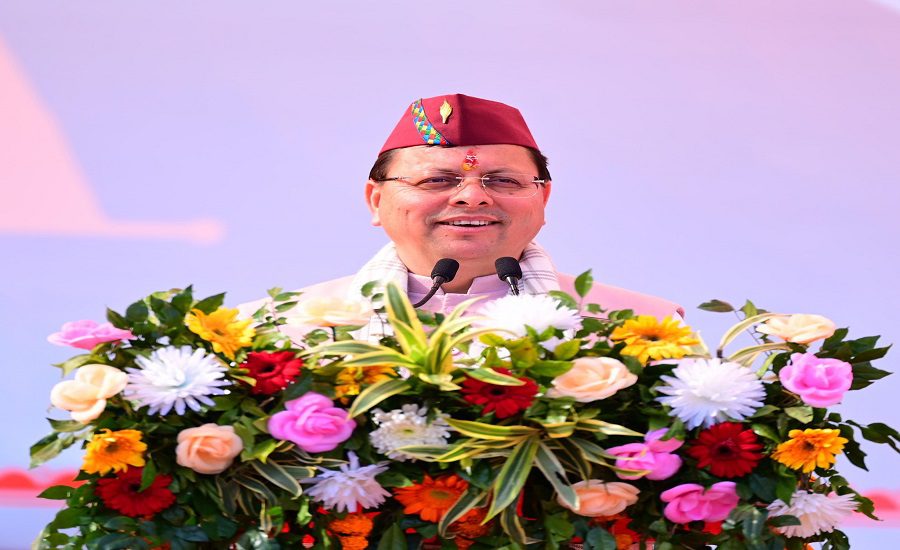
Uttarakhand Urban Development Minister Ram Singh Kaira inaugurated several important knowledge products during the event. These included:
- Paryavaran Mitra graphic story
- Lighthouse Cities report
- Capacity-building report on septage management protocol
- Study on inclusive sanitation in Dehradun’s informal settlements
- Research report titled Towards Safe and Dignified Sanitation Work
- Used water and fecal sludge management dashboard
- Documentary From Policy to Practice
These resources are aimed at improving policy implementation and strengthening urban sanitation systems across the state.
Government Commitment to Strengthening Urban Bodies
Director of the Urban Development Directorate, Vinod Giri Goswami, stated that Uttarakhand is committed to developing an inclusive, resilient, and sustainable sanitation ecosystem. He emphasized strengthening local urban bodies, increasing community participation, and promoting technological innovation to create a long-term sanitation model for Himalayan cities.
Lighthouse Cities Report to Guide Policy Makers
NIUA Team Lead Dr. Mahreen Mattoo said the Lighthouse Cities report documents Uttarakhand’s successful innovations and best practices in urban sanitation. She added that the report will serve as a valuable guide for policymakers, urban local bodies, and development partners in building safe, inclusive, and sustainable sanitation systems.
Uttarakhand as a Model for Himalayan Urban Sanitation
With this initiative, Uttarakhand is positioning itself as a benchmark state for urban sanitation in the Himalayan region. The conclave reflects a strong push toward evidence-based policy, innovation, and sustainable urban development, aiming to replicate successful models across similar geographies.