Kolkata: West Bengal’s proposed new industrial policy has moved a step closer to implementation after the state’s Group of Ministers (GoM) approved its draft. The framework is aimed at attracting fresh investment, strengthening micro, small and medium enterprises (MSMEs) and developing emerging sectors such as artificial intelligence (AI), semiconductors and data centres.
The draft will now undergo vetting by the Chief Secretary before being placed before the state Cabinet. It will become operational only after Cabinet approval. The government has indicated that it plans to unveil the policy before Durga Puja.
Draft Industrial Policy Gets GoM Approval
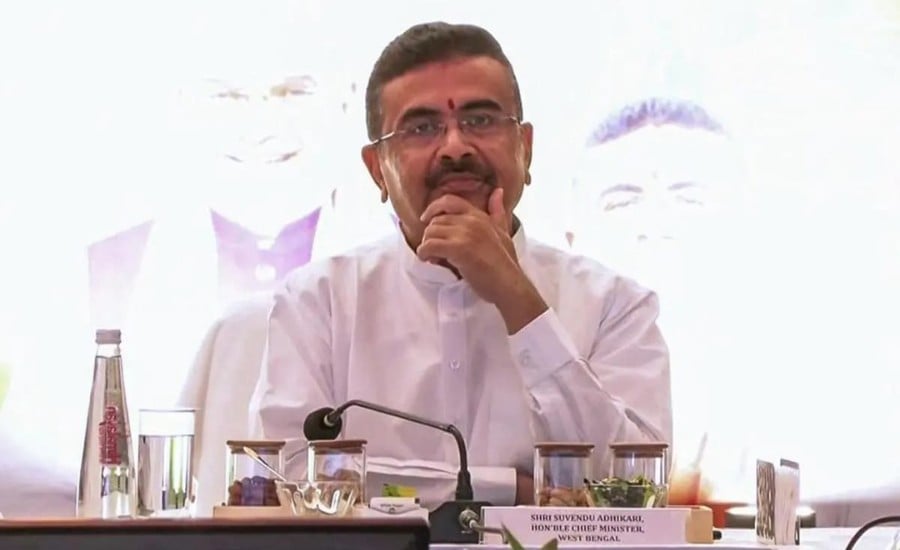
The draft was approved at a GoM meeting held at Nabanna and chaired by Industries Minister Tapas Roy. Finance Minister Swapan Dasgupta and other members of the ministerial group were also present.
The approval marks an important procedural stage in the preparation of the new industrial framework. However, the policy has not yet taken effect.
The next step is scrutiny by the Chief Secretary, followed by consideration by the state Cabinet. Until that process is completed, the proposals contained in the draft remain subject to change.
The move follows consultations between the state government and industry representatives. Earlier discussions had focused on investment facilitation, faster approvals, industrial incentives and challenges related to land availability.
Read Also: Ghatal’s Long Wait Nears a Turning Point: West Bengal Announces ₹1,200 Crore Flood Plan
MSMEs Set to Remain at the Centre
MSMEs are expected to form a major part of the proposed industrial strategy. The draft is intended to provide a framework for expanding the sector while also creating conditions for investment in technology-intensive industries.
For small and medium businesses, the final policy could have implications for incentives, investment support and the ease of setting up or expanding operations in the state.
The government is also reportedly considering incentives for companies registered in West Bengal. However, the exact eligibility conditions and financial structure have not yet been finalised.
The focus on MSMEs comes alongside a broader attempt to combine traditional manufacturing and industrial activity with newer technology-driven sectors.
AI, Semiconductors and Data Centres on the Radar
The proposed policy also identifies artificial intelligence, semiconductor-related activities and data centres as emerging areas of focus.
These sectors require specialised infrastructure, skilled manpower, reliable power and digital connectivity. Their inclusion in the industrial policy indicates an attempt to expand Bengal’s industrial base beyond conventional manufacturing.
Earlier government discussions on the industrial roadmap had also highlighted areas such as single-window clearances, GIS-enabled land banks, cluster-based development, logistics infrastructure and streamlined approvals.
The final policy will determine which of these proposals form part of the approved framework and how they will be implemented.
Reported ₹10,000-Crore Incentive Dues
Another significant aspect concerns outstanding industrial incentives.
According to industry department sources cited in reports, the government is expected to restore outstanding incentives that were withdrawn by the previous government in instalments. The reported dues are estimated at more than ₹10,000 crore, with MSMEs likely to receive priority.
However, this figure should not be treated as a new ₹10,000-crore allocation under the proposed industrial policy. It refers to reported outstanding incentives, while the government’s final repayment mechanism and timeline are yet to be detailed.
The issue is therefore likely to remain important for businesses waiting for previously sanctioned incentives.
Land and Ease of Doing Business Remain Important
The new policy is also being prepared against the backdrop of wider discussions on industrial land and investment facilitation in West Bengal.
During consultations with industrialists in August, the state government discussed challenges related to land acquisition and the need to create conditions that can support industrial expansion. The government had earlier indicated plans involving land banks, time-bound clearances and a clearer incentive framework.
Land availability, infrastructure, regulatory approvals and administrative processes will therefore remain important factors in determining how the new industrial policy works on the ground.
What Happens Next?
The immediate next step is the Chief Secretary’s vetting of the draft. After this, the proposal is expected to go before the state Cabinet.
The final policy could provide greater clarity on:
- Industrial incentives and eligibility
- MSME support and expansion measures
- Sector-specific provisions for AI, semiconductors and data centres
- Investment facilitation and approval mechanisms
- Treatment of outstanding incentive payments
Until Cabinet approval, these measures remain proposals rather than operational benefits.
A New Framework for Bengal’s Industrial Growth
The proposed industrial policy represents an attempt to create a common framework for traditional industries, MSMEs and emerging technology sectors. For businesses, its eventual impact will depend not only on financial incentives but also on how quickly approvals, land-related processes, infrastructure and other administrative requirements are addressed.
With the draft now cleared by the GoM, the focus shifts to the next stages of scrutiny and Cabinet approval. Once finalised, the policy could set the direction for West Bengal’s investment, industrial expansion and employment strategy in the coming years.
Read Also: West Bengal’s Quantum Leap: New CSIR Hub to Power Semiconductor and Deep-Tech Growth