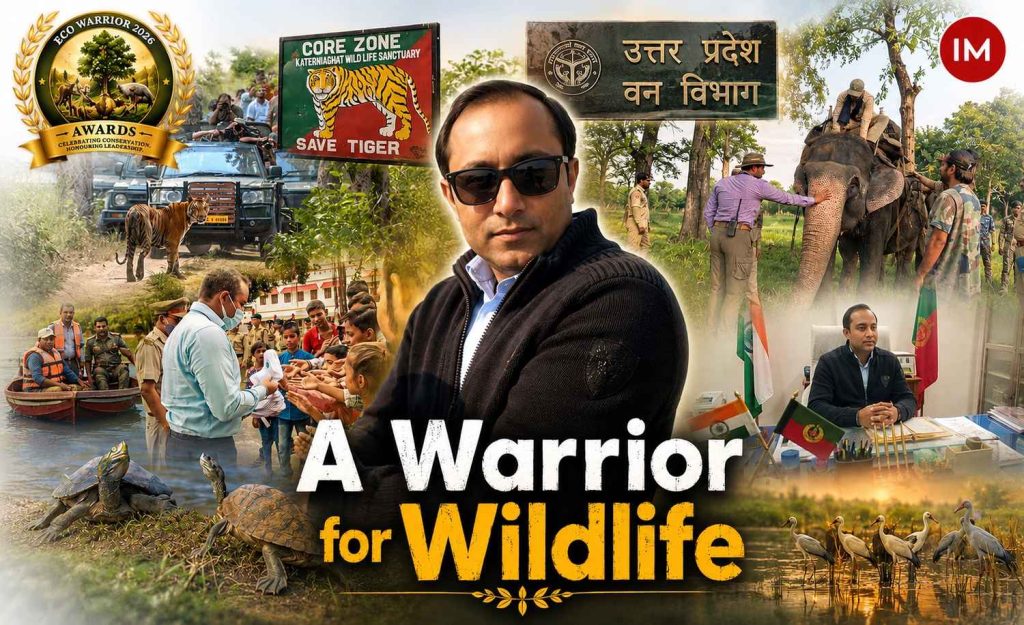
In an era when environmental challenges are becoming increasingly complex, conservation demands far more than policies written on paper – it requires leadership that can translate vision into decisive action on the ground. Across some of Uttar Pradesh’s most sensitive forest and wildlife landscapes, Akash Deep Badhawan, an Indian Forest Service (IFS) officer of 2016 Batch from UP cadre, has demonstrated how committed public service, field-level courage and administrative persistence can create measurable conservation outcomes.
From strengthening wildlife protection in the tiger-rich landscape of Katarniaghat to reclaiming long-encroached forest land, leading high-risk tiger and leopard rescues, protecting wetlands and developing them as bird-watching destinations, his work reflects an approach in which enforcement, ecological restoration and public participation move together.
Currently serving as Divisional Forest Officer, Barabanki Forest Division, he has built a field record spanning Siddharthnagar, Katarniaghat and Barabanki. His interventions range from anti-wildlife-crime operations and anti-encroachment drives to wetland notification, ecotourism development, plantation work, grievance redressal and strengthening administrative systems.
His conservation journey illustrates a simple but powerful principle: when governance is backed by persistence and a clear understanding of the landscape, even long-standing environmental challenges can be turned into opportunities for ecological recovery.
Indian Masterminds interacted with Mr Badhawan to understand his vision, field experiences and the initiatives through which he is working to strengthen forest, wildlife and wetland conservation in Uttar Pradesh.
How It Started: Learning Conservation on the Ground
Mr Badhawan’s professional journey has taken him through landscapes where conservation is rarely a straightforward administrative exercise. His on-the-job training in Meerut and his first tenure in Siddharthnagar exposed him to socially and ecologically sensitive situations, including long-pending land encroachments, illegal sand mining and illegal timber operations.
These early field experiences helped shape a leadership style centred on direct engagement, administrative discipline and the ability to act in difficult circumstances.
Working with communities while simultaneously enforcing forest laws taught him that conservation cannot succeed through enforcement alone. It requires understanding local realities, maintaining institutional coordination and ensuring that decisions eventually translate into visible outcomes.
The experience gained in Siddharthnagar later became an important foundation for his work in more challenging wildlife landscapes, particularly Katarniaghat Wildlife Sanctuary.
Read Also: 56 Days of Vigil: How An IFS Officer Led the Rescue of a Wounded Tigress
Katarniaghat: Protecting a Tiger Landscape Under Constant Pressure
During his tenure in Katarniaghat Wildlife Sanctuary of the Dudhwa Tiger Reserve, he worked in one of Uttar Pradesh’s most sensitive ecological landscapes.
The area presents a unique combination of challenges. Human pressure, wildlife movement, human-wildlife conflict and the international border with Nepal make protection efforts particularly demanding. Forest and wildlife personnel have to remain vigilant not only against poaching and trafficking but also against illegal activities and habitat pressures.
Reflecting on the period, he said, “During my tenure in Katarniaghat Wildlife Sanctuary of the Dudhwa Tiger Reserve, I worked in one of Uttar Pradesh’s most sensitive landscapes, where human pressure, border dynamics, and constant human-wildlife conflict demanded constant vigilance.”
Under his leadership, patrolling was strengthened, anti-snare drives were intensified and joint patrolling with the Sashastra Seema Bal (SSB) was undertaken along the Indo-Nepal border. Intelligence inputs were also used to target wildlife trafficking and other illegal activities.
The enforcement drive produced measurable results.
During his approximately two-and-a-half-year tenure, 169 accused persons were sent to judicial custody, creating a strong deterrent against forest and wildlife crimes. A record 16 motorcycles and two four-wheelers involved in illegal trespassing and forest and wildlife offences were also confiscated.
The emphasis was not merely on increasing enforcement numbers, but on creating a stronger protection environment for the forest and its wildlife.
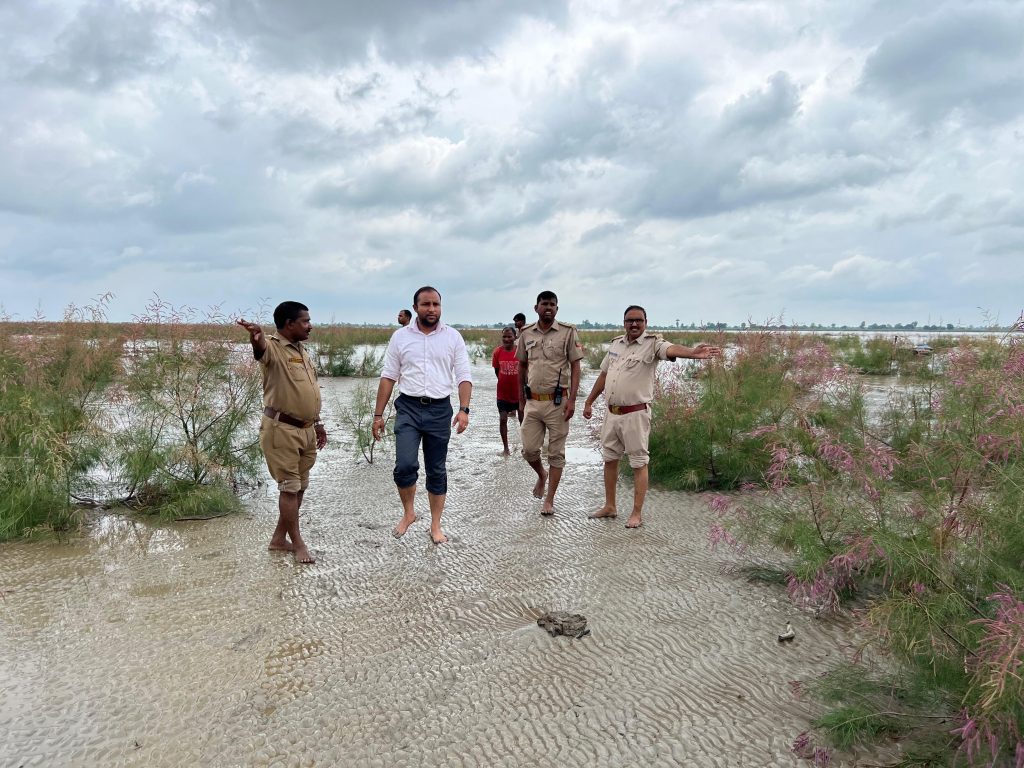
When Rescue Means Racing Against Time
Perhaps the most visible aspect of Badhawan’s wildlife leadership came through a series of challenging rescue and conflict-response operations.
During his tenure in Katarniaghat, five tigers and eight leopards were successfully rescued.
One particularly sensitive operation involved a tigress in Sujauli that had a metal object around her neck. The rescue had to be executed quickly, with the animal’s safety and the surrounding human population both requiring careful consideration.
Another operation became a first-of-its-kind high-risk rescue in the landscape when a tiger was found floating in the fast-moving downstream waters of the Ghaghra.
The situation required immediate coordination. The Chaudhary Charan Singh Barrage was closed at the appropriate time, while other mitigation measures were simultaneously deployed. The coordinated response eventually enabled the tiger to be rescued and pushed back towards its natural core tiger habitat.
Such operations demanded more than technical wildlife knowledge. They required quick decision-making, coordination among multiple agencies and the willingness of field officers and teams to act under considerable risk.
For Badhawan, wildlife conservation is ultimately about being prepared to respond when circumstances become unpredictable.
Reclaiming Forest Land Lost to Encroachment
One of the most significant conservation achievements during his Katarniaghat tenure was the recovery of 16.530 hectares of forest land in the core area of the tiger reserve in Nishangarha Range.
The land had remained encroached since 1985. After nearly 37 years, persistent follow-up eventually resulted in its reclamation.
The recovery was particularly important because the land was located in the core area of a tiger reserve. Removing encroachment from such habitat is not simply a matter of recovering government property—it directly strengthens habitat security and ecological integrity.
The process required sustained administrative and legal follow-up, including diligent pursuit of the matter before the Hon’ble High Court, Lucknow.
The successful recovery demonstrated how conservation outcomes often depend on persistence over several years rather than quick administrative decisions.
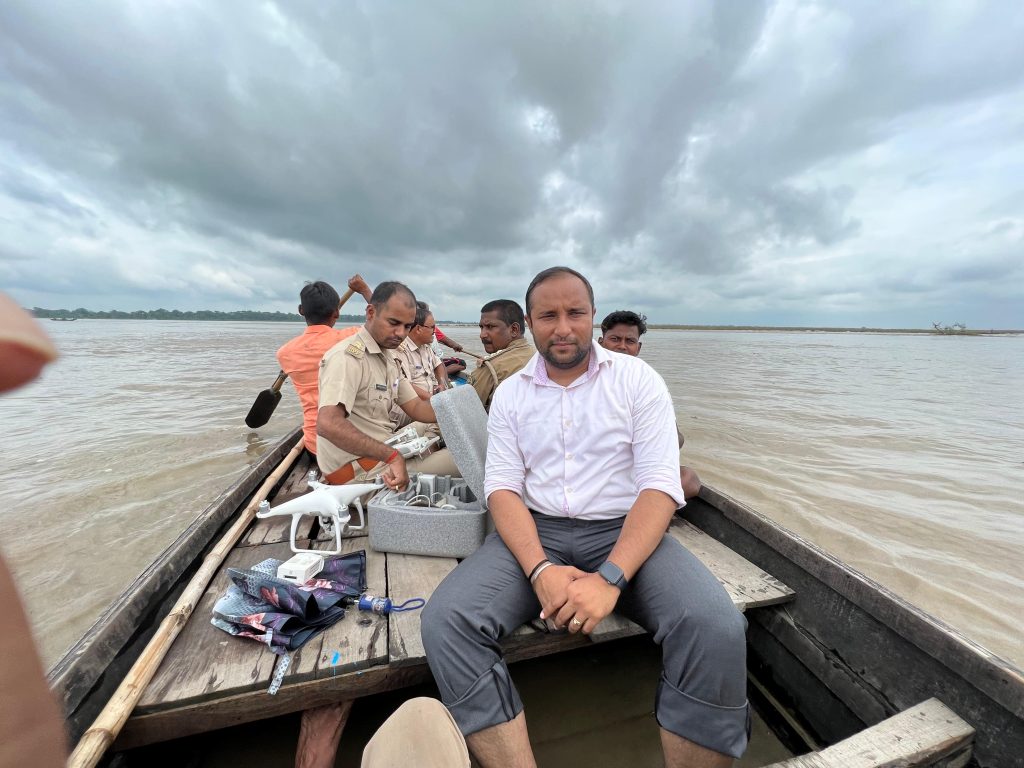
Tackling Long-Standing Religious Encroachments
Conservation enforcement also extended to sensitive encroachments within the tiger reserve.
A religious encroachment associated with Badal Shah, which had existed in the core area for several years, was removed without creating a law-and-order situation.
Similarly, the religious congregation associated with Lakkad Shah, which had reportedly been taking place for years in the core area of the tiger reserve, was prohibited and eviction proceedings were initiated.
These actions were significant because the objective was not only to remove physical encroachments but also to reduce recurring human pressure and activity inside critical tiger habitat.
The approach required careful coordination and administrative sensitivity, demonstrating that forest protection can involve difficult decisions where ecological priorities have to be balanced with social realities.
Reducing Pressure on the Core Tiger Habitat
He also worked on measures aimed at reducing the long-term human footprint within the protected landscape.
The closure of liquor vends operating in the core area was pursued as part of efforts to strengthen habitat protection.
At the same time, negotiations concerning the voluntary relocation of Bharthapur village, located in the core area of the tiger reserve, were fast-tracked. Budgetary requirements for the relocation were also sent to CAMPA.
Together, these measures were aimed at reducing anthropogenic pressure in sensitive tiger habitat and improving long-term protection outcomes.
The approach reflected a broader understanding of conservation: protecting wildlife does not end with catching poachers or rescuing animals; it also involves addressing the human pressures that gradually degrade protected landscapes.
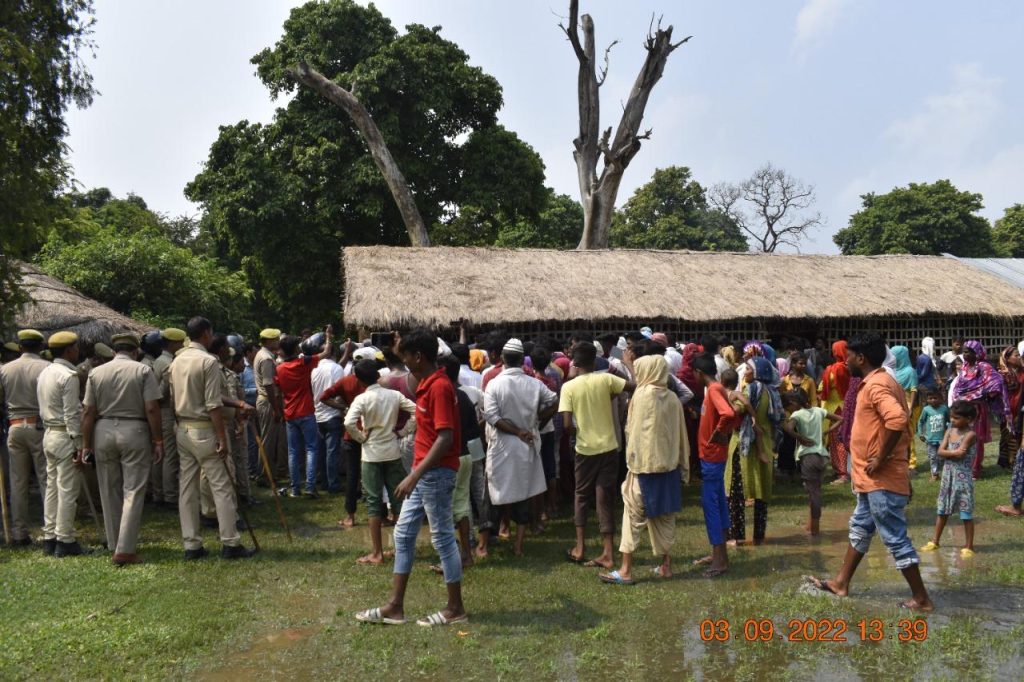
Barabanki: From Forest Enforcement to Wetland Conservation
If Katarniaghat demonstrated Badhawan’s ability to work in a high-pressure wildlife landscape, his tenure in Barabanki Forest Division brought another dimension to his conservation approach—wetland protection.
Barabanki is predominantly an agricultural district, with extensive paddy cultivation and numerous water bodies and wetland ecosystems. At the same time, the district is experiencing increasing construction pressure because of its proximity to Lucknow and the development taking place in the region.
For IFS Badhawan, this created an urgent need to bring wetlands under a stronger legal and management framework.
Read Also: Tribal Tourism Changing Lives of UP’s Tharu Tribe
Explaining the situation, he said, “Barabanki is basically an entire agricultural district. All the agricultural paddy fields and these areas come under the category of wetlands. With continuous construction taking place because of the SCR next to Lucknow, it was necessary to notify the wetlands so that they could at least be protected.”
His intervention eventually resulted in the notification of 12 wetlands under the Wetland Rules, 2017 during his tenure—the highest number of wetlands notified in any district of Uttar Pradesh.
The achievement transformed wetland conservation in the district from a largely fragmented effort into a more structured process of recognition and protection.
Why Wetlands Matter: A Haven for Migratory Birds
The importance of Barabanki’s wetlands extends far beyond their physical boundaries.
The district serves as an important feeding ground for a large number of migratory birds. Unlike locations where birds primarily arrive for breeding, many of the migratory species visiting Barabanki come because the wetlands and paddy landscapes provide food and water.
He explained, “A lot of migratory birds come here. They come for feeding. They don’t come for breeding. The paddy fields and the wetlands provide insects and other food sources, and that is why these birds come here.”
The availability of both water and food makes the landscape particularly valuable for migratory species.
Among the birds recorded in the region are large groups of geese and other migratory waterbirds, which arrive during the appropriate season and depend on these habitats for sustenance.
As development and construction expand around Lucknow and adjoining areas, safeguarding these wetlands becomes increasingly important.
The notification of 12 wetlands therefore represents more than a regulatory achievement. It provides an institutional basis for protecting habitats that support biodiversity and maintain ecological functions in an increasingly urbanising region.
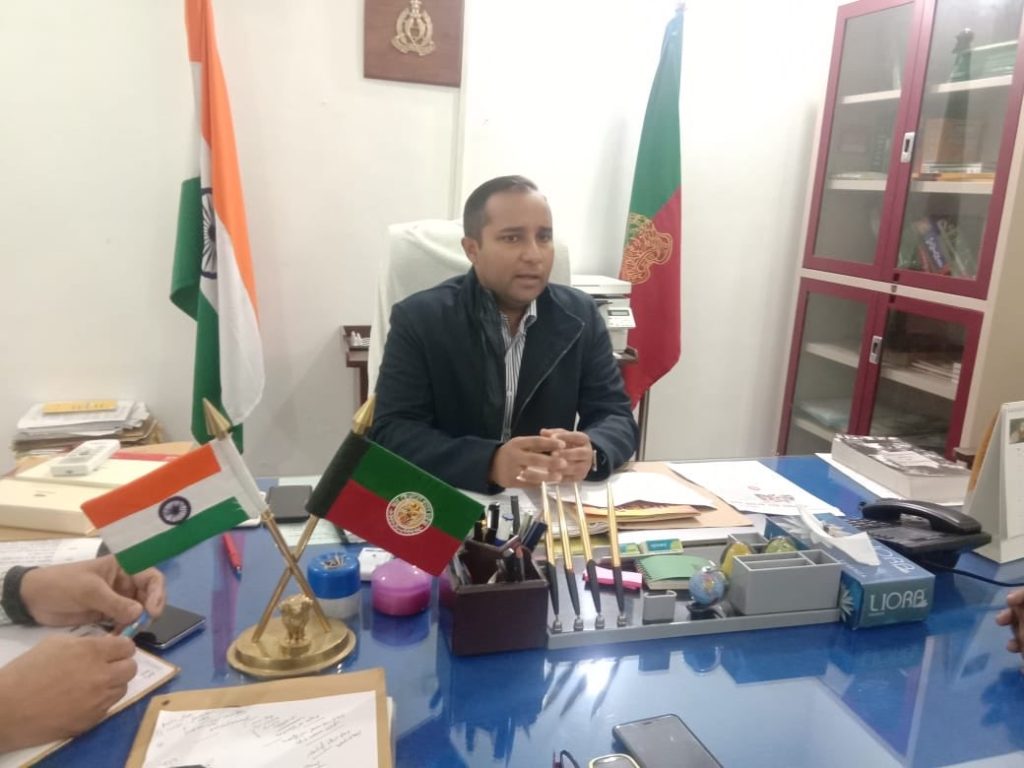
From Notification to Public Conservation: Making Wetlands Visible
A major strength of the wetland initiative has been the effort to ensure that notification does not remain merely an administrative exercise.
During his tenure, three wetlands in Barabanki were also developed as bird-watching sites for nature enthusiasts from the district and neighbouring areas, including Lucknow.
One of these wetlands had also been mentioned by the Hon’ble Prime Minister in Mann Ki Baat, bringing additional public attention to the ecological value of the landscape.
The initiative combines conservation with awareness. Bird-focused outreach, exhibitions and community participation have been used to introduce more people to the ecological importance of wetlands.
This public-facing approach creates a wider constituency for conservation—one in which local communities, birdwatchers, nature enthusiasts and visitors can all become stakeholders in protecting the habitat.
Turning Encroached Land into an Ecotourism Opportunity
Another important component of Badhawan’s work in Barabanki has been the conversion of reclaimed or previously encroached land into conservation-oriented public assets.
At Niyamatpur, on the Lucknow-Ayodhya Highway, land had remained under encroachment for years. What had been a long-standing administrative and conservation challenge is now being developed into an ecotourism project.
According to Badhawan, the site had remained stalled for a long period, including a religious structure that had existed for roughly 15–20 years.
The structure was eventually removed, and the site was subsequently planned as an ecotourism destination.
He said, “There was a mausoleum here for the last 15–20 years, but no one was able to demolish it. We demolished it last year, and now it has become a great ecotourism project. We have prepared it and it is now being inaugurated.”
The project illustrates an important aspect of his conservation philosophy: reclaimed forest land can be given a positive public purpose rather than simply being left unused.
By linking conservation with responsible ecotourism, such sites can potentially generate public awareness, create livelihood opportunities and build greater appreciation for forests and biodiversity.
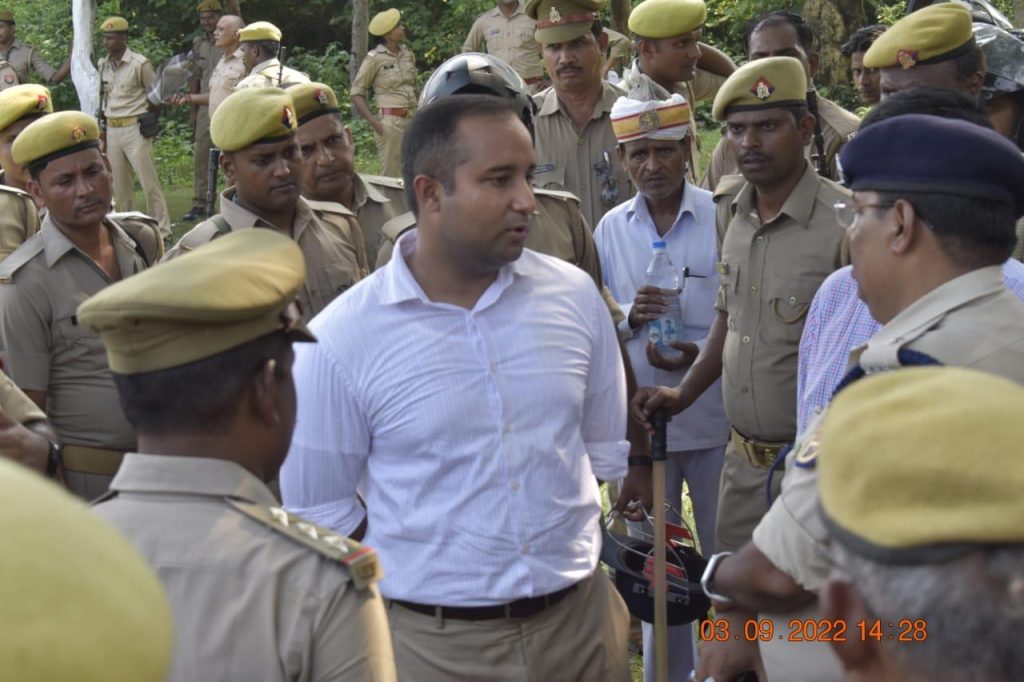
The Niyamatpur Encroachment Drive: Enforcement at Scale
The Niyamatpur operation was among the most challenging anti-encroachment exercises undertaken during his Barabanki tenure.
The religious structure had reportedly remained on forest land for decades, making its removal a sensitive administrative exercise.
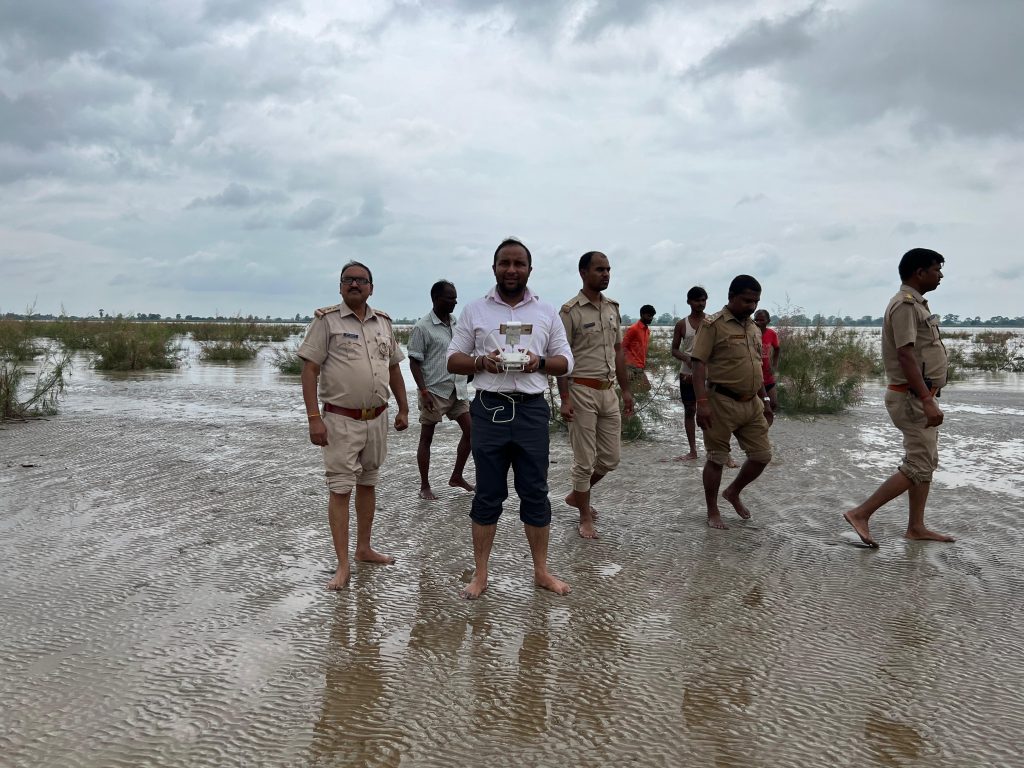
The operation involved coordination among nearly 200 personnel, including forest officials, police, revenue staff and other stakeholders. Drones were also deployed, while local communities were engaged as part of the coordinated effort.
Despite the sensitivity of the action, the operation was carried out without any law-and-order incident.
The successful reclamation of the forest land demonstrated the importance of advance planning, interdepartmental coordination and disciplined execution in handling sensitive encroachment cases.
It also reinforced the larger objective of protecting prime forest land from permanent conversion to non-forest use.
Conservation Through Enforcement and Diplomacy
Mr Badhawan’s record shows that conservation enforcement and conservation diplomacy do not have to be opposing approaches.
At different points in his career, he has had to make difficult enforcement decisions involving wildlife crime, illegal activities, forest encroachments and habitat pressures. At the same time, he has worked on voluntary relocation, community engagement, public awareness and ecotourism.
This combination has allowed his conservation interventions to move beyond a purely punitive framework.
The underlying objective has been to protect ecosystems while also creating mechanisms through which communities and the wider public can participate in conservation.
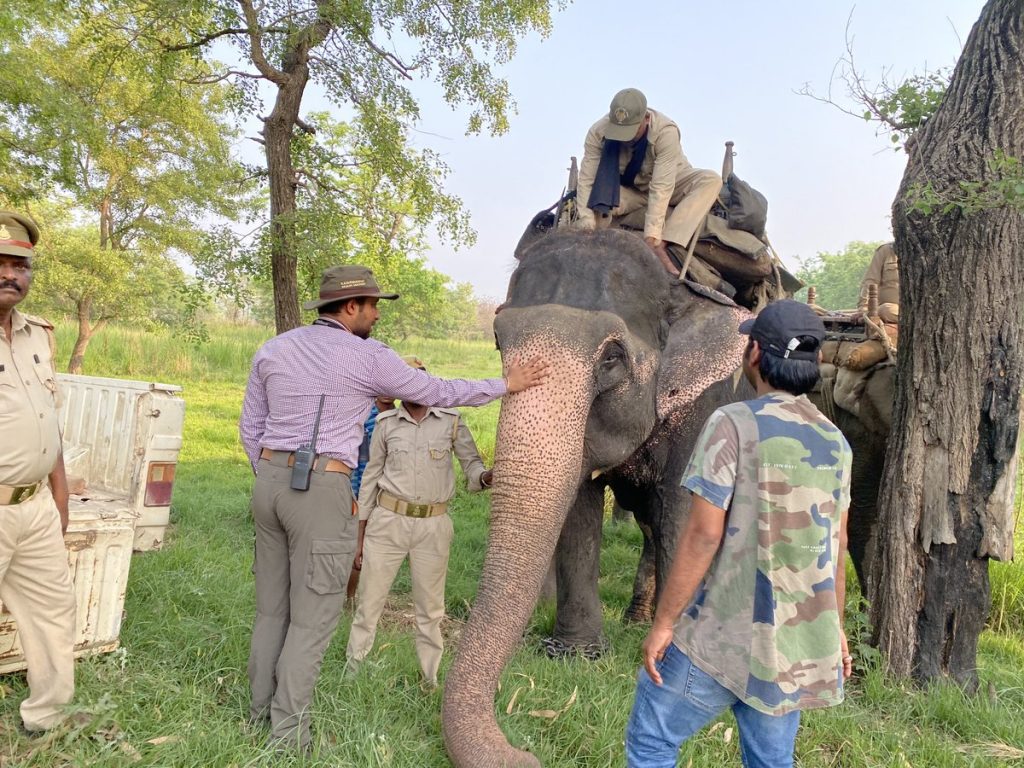
Siddharthnagar and Meerut: Building the Foundation for Field Leadership
The experiences gained during his training in Meerut and his first posting in Siddharthnagar added another important layer to Badhawan’s professional approach.
Working in a socially sensitive landscape exposed him to challenges such as long-pending land encroachments, illegal sand mining and illegal timber operations.
These assignments strengthened his ability to work with multiple stakeholders while maintaining administrative discipline.
They also helped establish the field-readiness that later became visible in his wildlife rescue operations, large-scale anti-encroachment drives and landscape-level conservation initiatives.
For a forest officer, such early experiences can become crucial when confronting complex conservation challenges where law, livelihoods, ecology and local sensitivities intersect.
From Office Discipline to Field-Level Impact
His conservation record extends beyond headline-making rescue operations and large enforcement actions.
His approach also includes strengthening office discipline, improving grievance redressal mechanisms, plantation activities and ensuring that administrative processes support field conservation.
This administrative foundation is important because sustainable conservation requires continuity. A successful rescue operation may protect one animal, while a successful enforcement drive may reclaim a particular piece of land. But lasting conservation requires systems that continue functioning after an individual operation is over.
His work therefore combines immediate intervention with institutional follow-through.
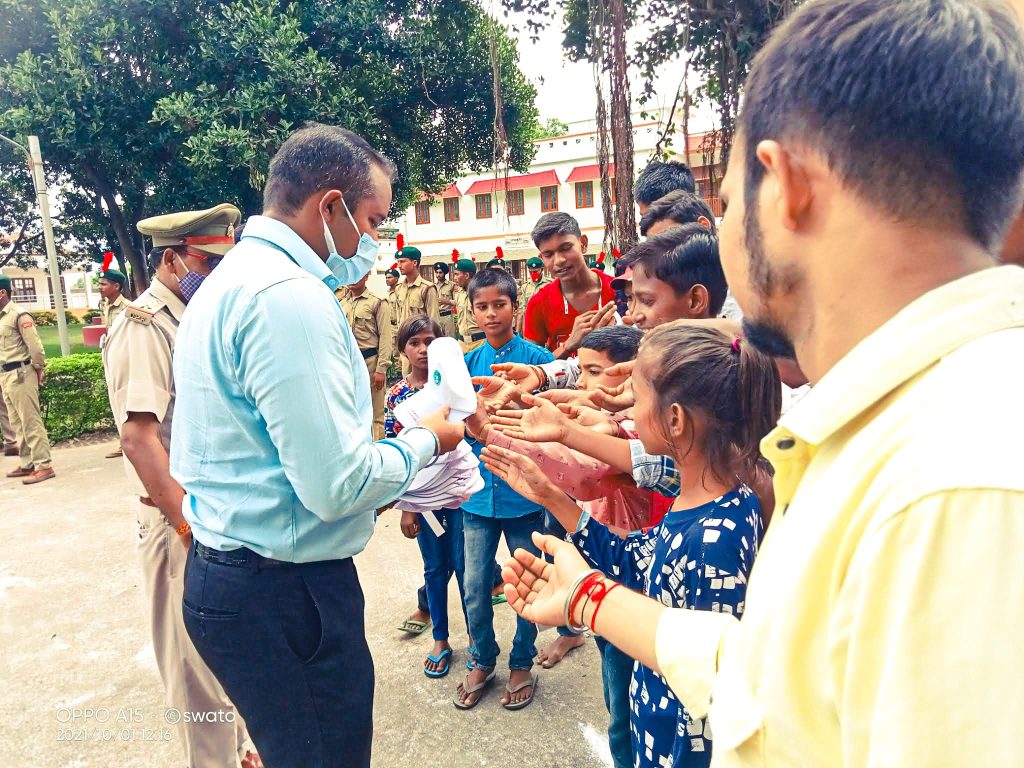
What Sets the Work Apart
What distinguishes Badhawan’s record is the combination of urgency, scale and institutional follow-through.
In Katarniaghat, the focus was on protecting a sensitive tiger landscape through stronger patrolling, intelligence-led enforcement, anti-snare operations, border coordination and rapid wildlife rescue.
The recovery of 16.530 hectares of long-encroached forest land demonstrated the impact of sustained legal and administrative follow-up.
The rescue of five tigers and eight leopards showed the importance of field leadership when wildlife emergencies demanded immediate action.
In Barabanki, the focus expanded to include wetland conservation, ecological awareness and ecotourism.
The notification of 12 wetlands under the Wetland Rules, 2017 created a significant conservation milestone for the district and the state. Developing three wetlands as bird-watching destinations further connected ecological protection with public participation.
At the same time, large-scale anti-encroachment operations and the development of the Niyamatpur ecotourism project demonstrated that enforcement and conservation-oriented development can work together.
From Protection on Paper to Conservation on the Ground
The notification of wetlands perhaps best captures the evolution of Badhawan’s conservation approach.
Legal recognition is only the first step. The larger challenge is to ensure that recognised ecosystems are actually protected, managed and appreciated by the public.
By combining notification with bird-watching infrastructure, awareness activities, exhibitions and community participation, the effort seeks to move conservation beyond files and government orders.
The same principle can be seen in forest encroachment cases. Recovering land is important, but giving reclaimed land a sustainable conservation purpose can make the achievement more durable.
Similarly, wildlife rescue is not simply about removing an animal from danger. It is about ensuring that the animal can ultimately return to a secure habitat.
Across these different initiatives, the common thread is an emphasis on measurable action followed by sustained management.
A Model of Conservation Leadership
Akash Deep Badhawan’s journey across Meerut, Siddharthnagar, Katarniaghat and Barabanki reflects the evolution of a field-oriented forest officer who has worked across multiple dimensions of conservation.
His experience encompasses wildlife protection, anti-poaching and anti-trafficking operations, tiger and leopard rescue, habitat security, forest-land recovery, wetland notification, bird conservation, ecotourism, plantation, community engagement and administrative reform.
The numbers tell part of the story: 169 accused sent to judicial custody, 16 motorcycles and two four-wheelers confiscated, five tigers and eight leopards rescued, 16.530 hectares of core tiger habitat reclaimed, and 12 wetlands notified in Barabanki.
But the deeper impact lies in the institutional changes behind those numbers.
They represent a conservation approach that combines the courage to enforce laws, the patience to pursue long-pending cases, the readiness to respond to wildlife emergencies and the vision to transform ecological assets into public conservation spaces.
The Road Ahead: Making Conservation a Shared Responsibility
The challenges facing forests and wetlands are unlikely to disappear. Development pressure, habitat fragmentation, human-wildlife conflict and wildlife crime will continue to test the capacity of conservation institutions.
In such a scenario, the role of field officers becomes increasingly important – not only as enforcers of environmental law but also as facilitators of ecological restoration, public participation and sustainable development.
IFS Badhawan’s work offers an example of how these responsibilities can be brought together.
Whether it is a tiger struggling in the fast-moving waters of the Ghaghra, a long-encroached piece of forest land finally being reclaimed, a wetland being legally recognised, or a neglected forest site being transformed into an ecotourism destination, the common message is clear: conservation becomes meaningful when decisions translate into action.
The story of these initiatives is ultimately not only about forests, wetlands or wildlife. It is about the possibility of institutional change when public service is guided by persistence, scientific thinking and a willingness to act.
In landscapes under increasing pressure, such leadership can help ensure that the forests remain standing, wetlands remain alive, wildlife retains secure habitat – and future generations inherit ecosystems that are protected not merely by policy, but by sustained action.
Read Also: In This Forest Runs a School | IFS Akash Deep Badhawan