With climate change causing havoc on our environment – areas that used to get high rainfall suddenly going dry and dry areas getting deluged with rains resulting in floods – environmentalists are red-flagging the need for conserving our forests to correct the imbalance in nature that humans have created through unplanned development. And, needless to say, in all conservation works, forests have a vital role to play. They purify the air, check erosion, create rains, are natural homes to flora and fauna, and act as an important buffer against climate change.
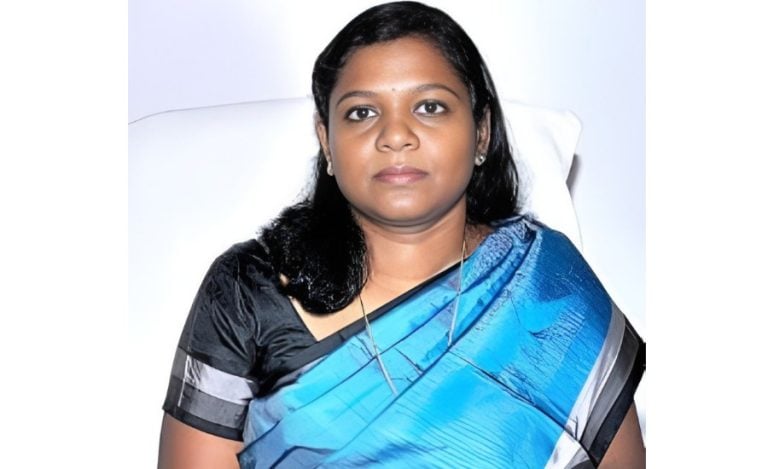
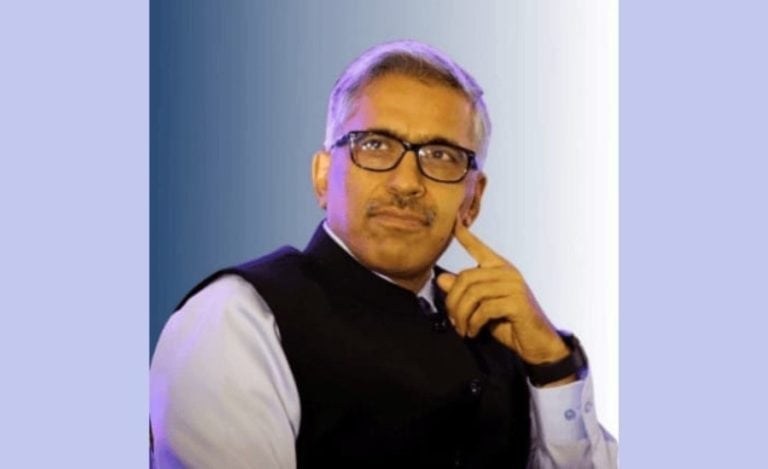
Indian masterminds spoke with 2015-batch Indian Forest Service officer Vaibhav Singh, who is currently posted as Divisional Forest Officer, Rudraprayag, to know about the role forests have been playing in the region’s ecosystem and how his department is focussing on water and soil conservation to protect the vulnerable forests of Rudraprayag, keeping in mind the well-being of the local populations and their livestock, as well.
VULNERABLE MOUNTAIN FORESTS
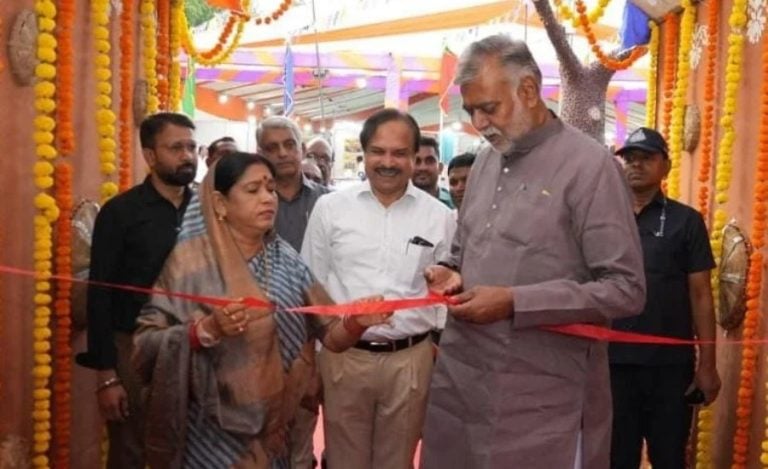
Mr. Singh recently took part in a camp organised by Mountain Partnership, an UN voluntary alliance working together for mountain peoples and environments, where he presented his work on eco restoration and conservation of mountains in Rudraprayag.
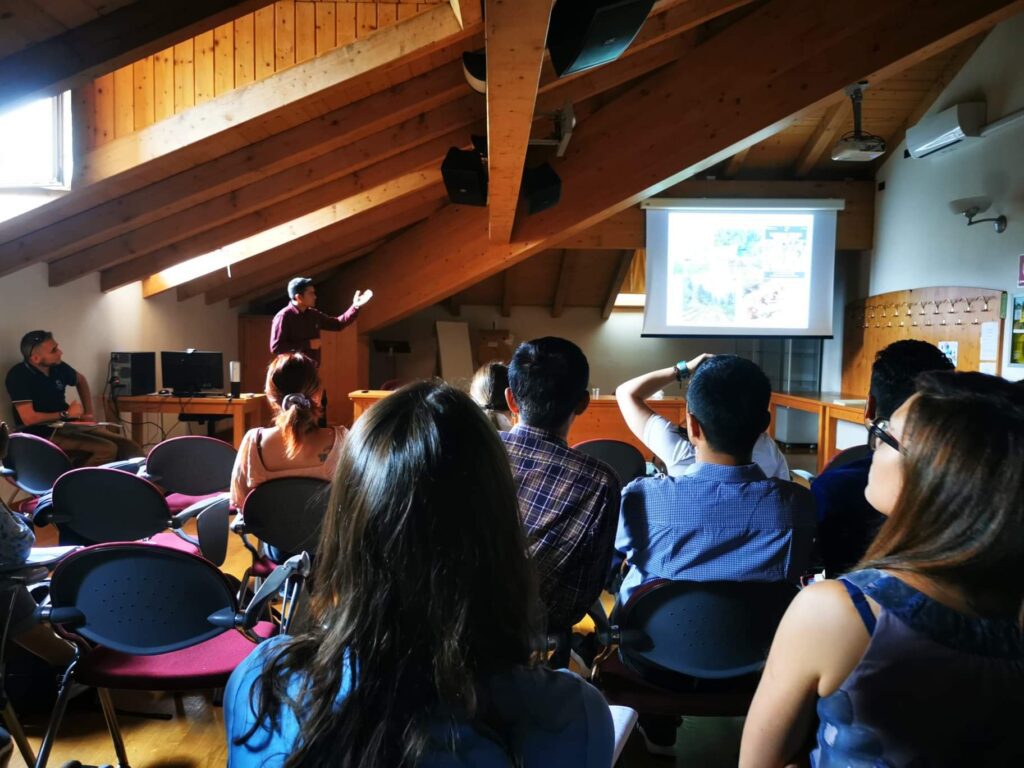
The woods of the Rudraprayag district are found in Uttarakhand’s central Himalayan belt and are located at elevations between 800 and 3,000 metres above sea level. And between 1,000 and 2,000 metres above sea level, the forests occupy over 70% of the land. However, these forests are vulnerable to natural disasters, including frequent landslides and forest fires.
“Pine trees predominate in about half of Rudraprayag’s forests, making them prone to forest fires. In the event of high temperatures, the dry soil and dense vegetation create the perfect conditions for forest fires. The same forests are susceptible to landslides as soon as there are significant rainstorms. A lot of topsoil and debris are carried away during these erratic rainstorm storms. This eliminates all the nutrients and increases the discharge of rivers below, causing silting, flooding, and other issues,” Mr. Vaibhav Singh explained to Indian Masterminds.
WATER CONSERVATION TO THE RESCUE
Another major issue is the lack of fresh water for the people living in villages situated around the forests of Rudraprayag. Usually, the springs and water sources hidden inside the forest provide water to the nearby villages. However, the villagers have been complaining about water shortage for the past few years because the majority of the middle Himalayan belt is in a dry area. They frequently complain about the springs drying out and the inadequate water supply during the summer. As most working men from these villages find employment elsewhere, the majority of residents in these communities are women and senior folks. And, because they raise cattle, the women are reliant on trees for fodder.
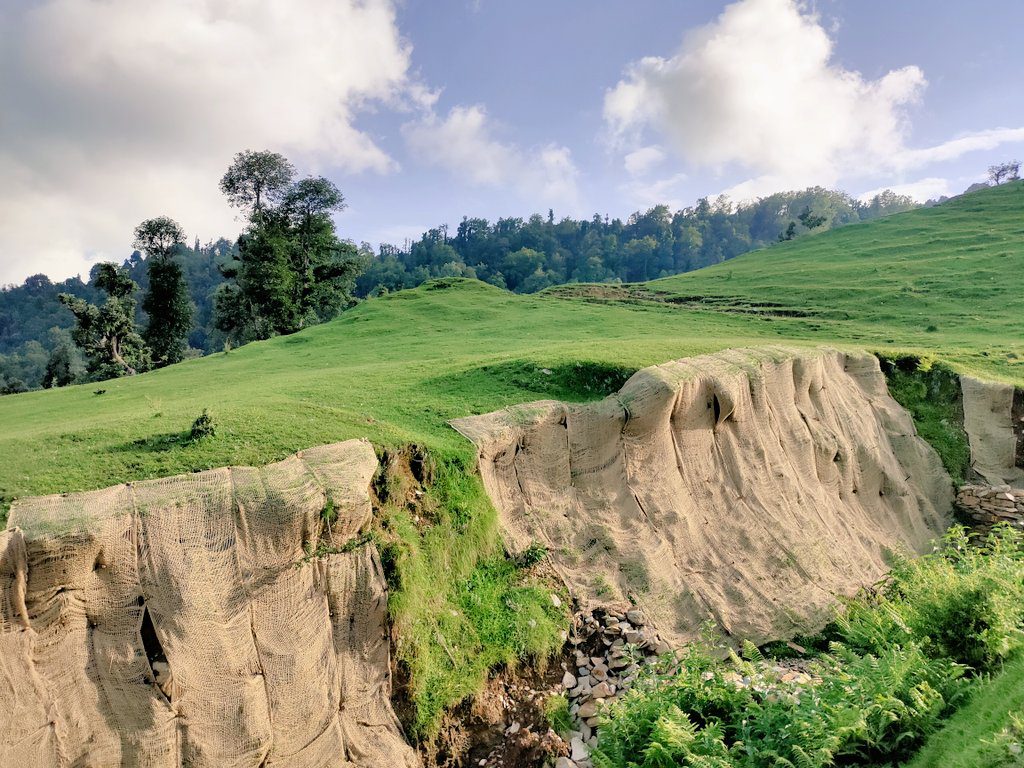
Ever since Mr. Singh took over as the DFO in June 2019, there has been a focus on resolving these issues by strategically and methodically constructing soil moisture conservation structures called ‘chal khals’ (water ponds), contour trenches, check dams, and percolation pits.
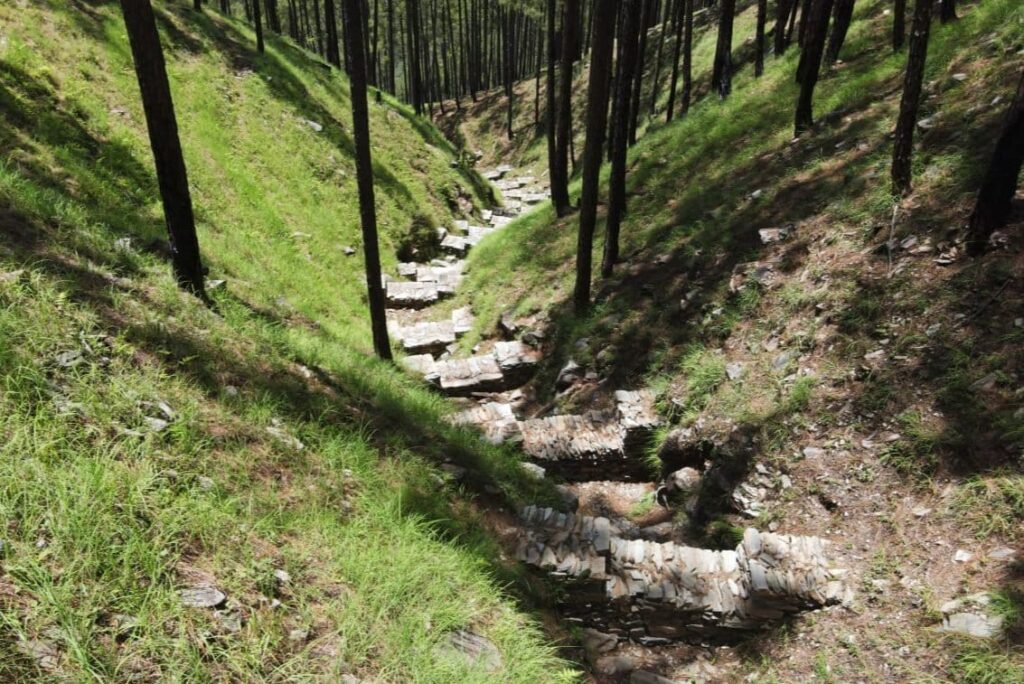
“Since the time I’ve been in Rudraprayag, we’ve been working diligently and deliberately to conserve soil moisture. We were fortunate to be granted funding by the State Compensatory Afforestation Fund Management and Planning Authority (CAMPA), as rainwater collection and conservation is a top priority for both the central and state governments. With the available money, we chose to build as many multipurpose structures for soil preservation and water retention as possible,” Mr. Singh said.
CHAL KHALS HELPING IN WATER AND SOIL CONSERVATION
The officer and his staff have built 612 chal khals with a combined water holding capacity of more than 10 million litres in the past year alone. A total of 887 chal khals have been built over a period of two years, each one having the capacity to hold between 10,000 and 2,50,000 litres of water.
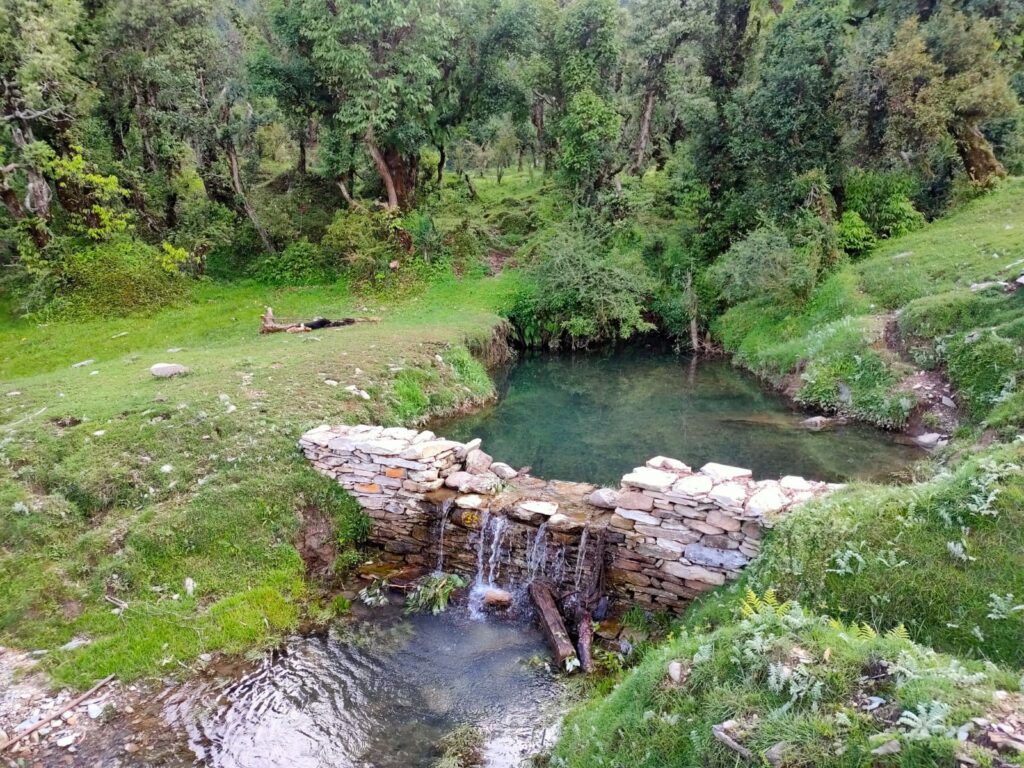
The construction of these ponds start in May, well before the monsoon season and are completed before the rains start. The most important step in building these ponds is choosing the best location to guarantee their efficacy. The field staff that chooses the location, such as forest guards, forest monitors, and range officers, needs to be appropriately sensitised, taught, and supervised. Whereas the most difficult part of building these structures is choosing the right location.
“Fifty per cent of our work is finished if we choose the correct sites. We must evaluate the slope’s gradient, the location, the amount of existing rock, the intended location for the pond, and the utility of the pond in the particular area. These ponds may not even collect drainage water if they are built in incorrect location. We also build these tiny trenches to direct the extra water from these slopes into these ponds. Chal khals may get damaged or washed away if they are built on an extremely steep slope,” Mr. Singh informed, adding that the majority of the ponds they have built can store between 10,000 and 20,000 litres of water.
BENEFITING BOTH FORESTS AND PEOPLE
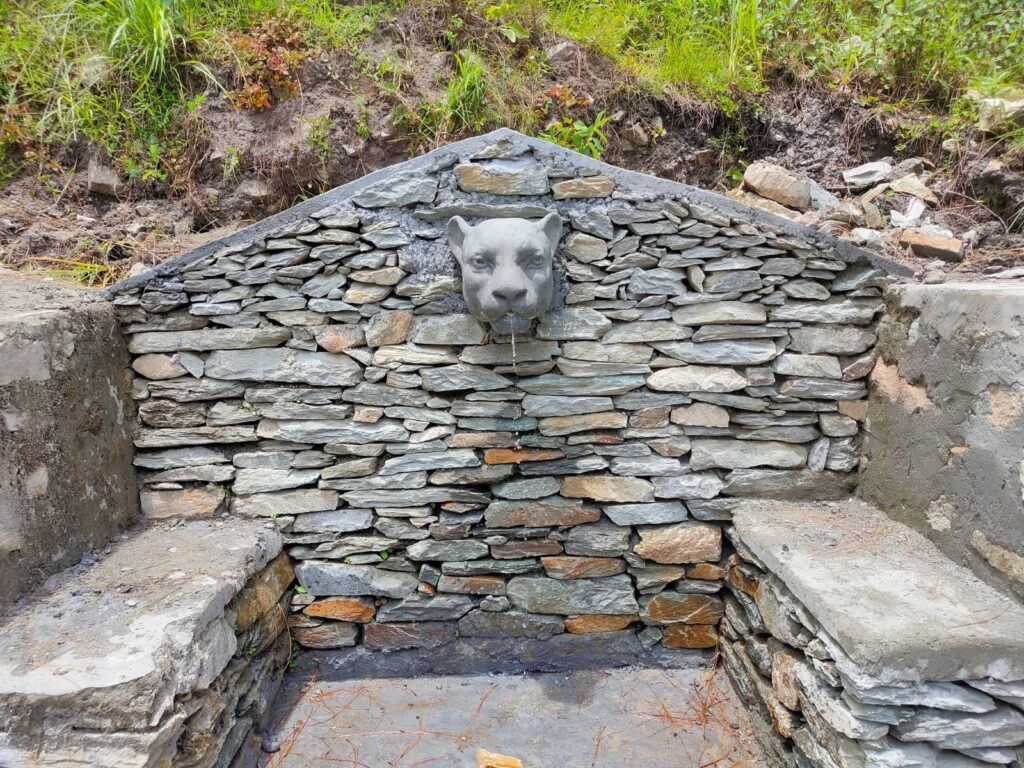
The construction of chal khals have also helped in revitalising the natural water springs, by boosting water output and groundwater percolation. Another concerted effort of the forest department has been to increase soil moisture to promote the growth of other vegetation and lessen the risk of forest fires in the area.
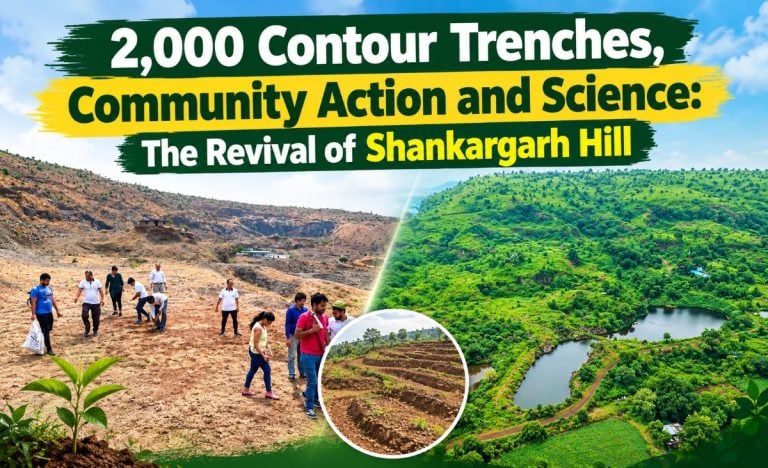
Over the past two years, the forest department has built contour trenches along 436 hectares of deteriorated pine woods to support this effort. On the outskirts, they also grew a few types of grass that would provide good fodder. The fodder grass begins to grow when water is trapped in these trenches and the soil absorbs the moisture.
As a result, the local populations are benefiting because their livestock has better access to fodder now. And the forest department is benefiting because the micro-climate in the forests is getting better by the day. Overall, a win-win situation.