Wetlands rarely announce when they are in trouble. Their decline can happen quietly in the form of a shrinking waterbody, polluted inflows, encroachment along the edges, fewer birds returning each season. By the time the damage becomes obvious, an ecosystem that took years to evolve can already be under severe pressure.
Gharana wetland in Jammu and Kashmir was facing precisely such challenges. Restoring it required more than simply bringing water back. It required reclaiming the wetland, protecting its inhabitants, improving their habitat, keeping pollution away and finding ways for people and wildlife to coexist.
It was this larger restoration exercise that Dr Kumar M K, IFS, AGMUT 2006, currently serving as Chief Conservator of Forests, helped steer.
For his work in restoring and managing this ecologically fragile wetland, he has been nominated for the Eco Warrior Awards 2026 under the Protected Area Management category.
Also read: IFS Rajesh S: How Ladakh Is Turning Its Cold Desert Into a Green Corridor
The Restoration Began on Paper
The first step was not excavation or pumping water. It was planning.
A detailed Gharana Wetland Management Plan was prepared, meticulously reviewed and eventually approved. The restoration work then proceeded in phases according to this plan.
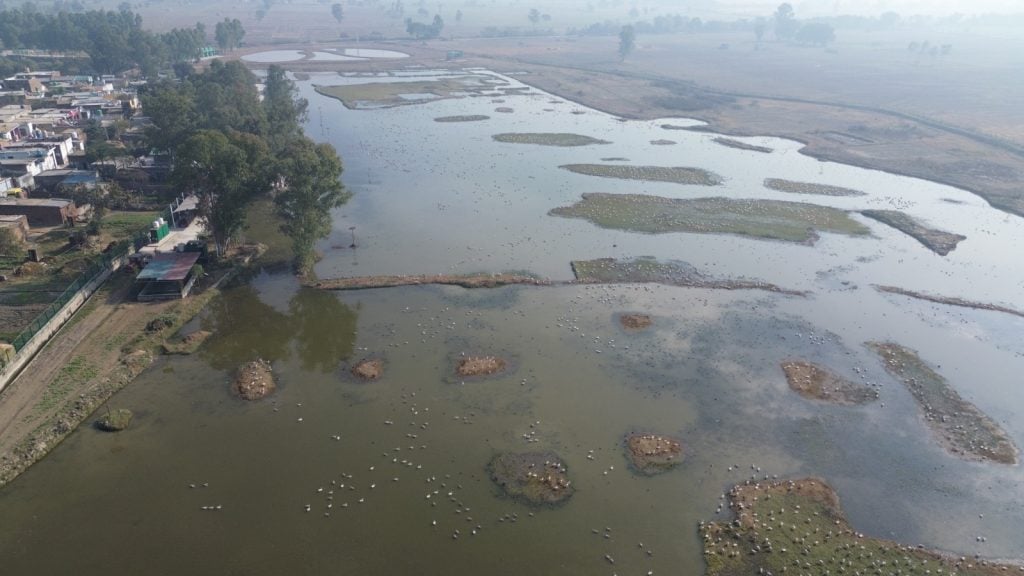
One of the most significant challenges was encroachment. Through phased eviction and restoration, the wetland’s waterbody surface area was expanded from just 2 hectares to 6.25 hectares over two to three years.
That change transformed the physical footprint of Gharana, but restoring a wetland is not simply about making it bigger. The quality of the habitat matters just as much.
Making Room for the Birds
At Gharana, water management became a crucial part of the restoration. Groundwater was pumped to improve and maintain water availability, while contaminated drain water was diverted through dedicated drainage channels so that polluted inflows did not compromise the wetland.
The restoration also created inviolate space covering nearly 65–70 per cent of the total wetland area, giving birds a protected zone where they could feed, rest and spend time without disturbance.
Then came a series of habitat improvement measures. Wheat and trifolium legumes were sown to improve feeding grounds. Sprouted wheat seeds were broadcast as an additional food resource. The waterbody was extended further, animal-proof fencing was constructed, and aeration measures were introduced.
Bird perches were installed. Littoral zones, the shallow areas where water meets land and which are particularly important to wetland life, were improved. Grasslands were also developed.
Each intervention addressed a different piece of the ecosystem. Together, they began changing what Gharana could offer its wildlife.
When the Geese Returned in Thousands
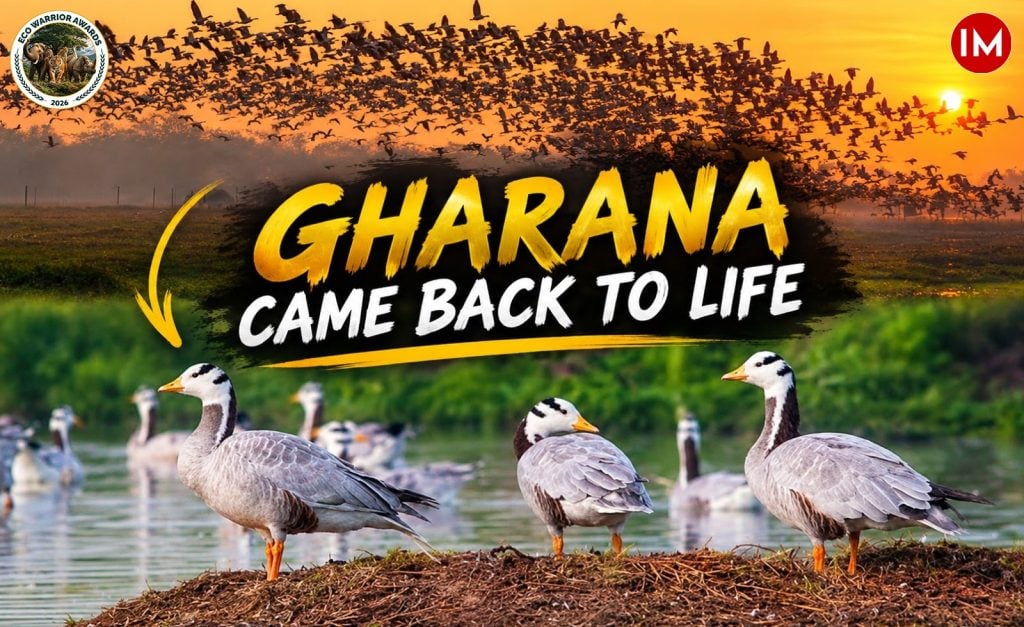
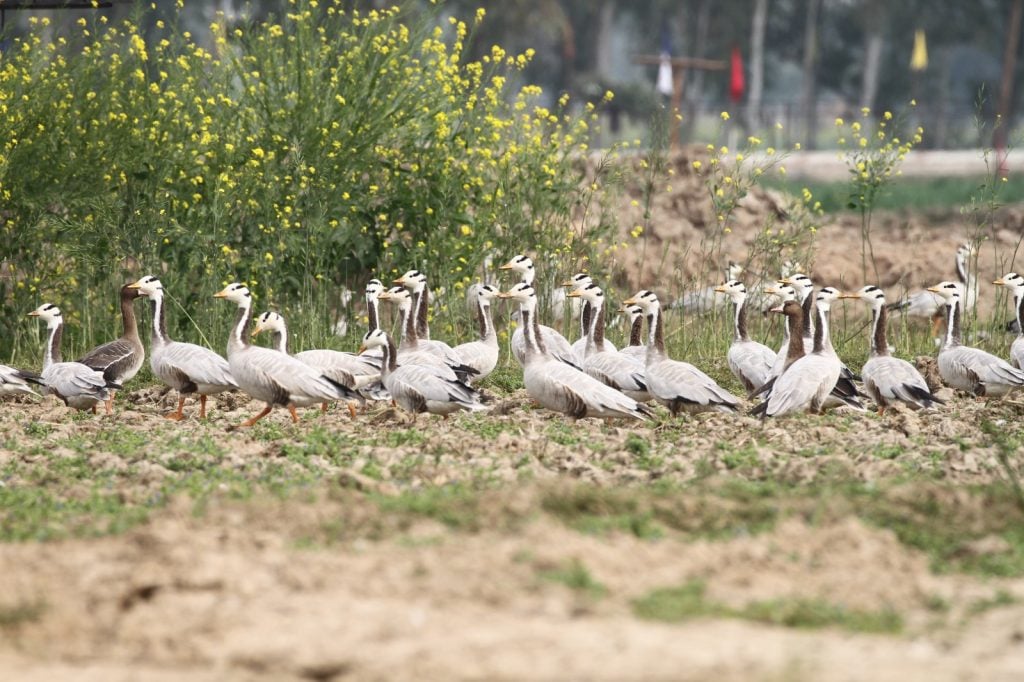
One of the clearest indicators came from the birds. The restoration helped Gharana develop remarkable species richness and diversity, with around 156 species recorded, among the highest levels reported for a wetland in the Union Territory of Jammu and Kashmir.
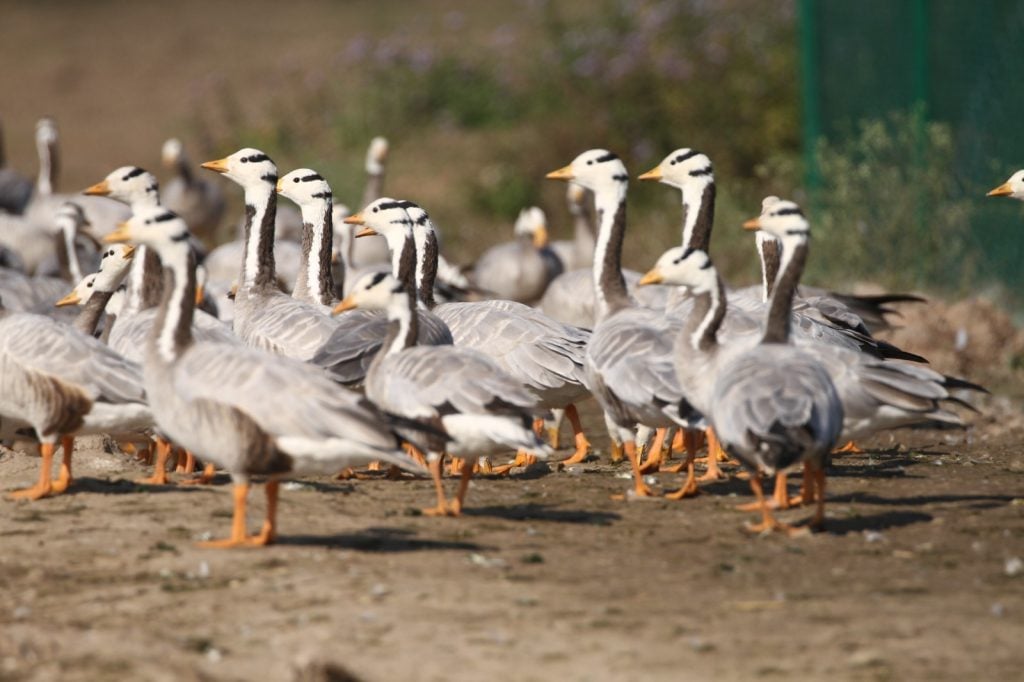
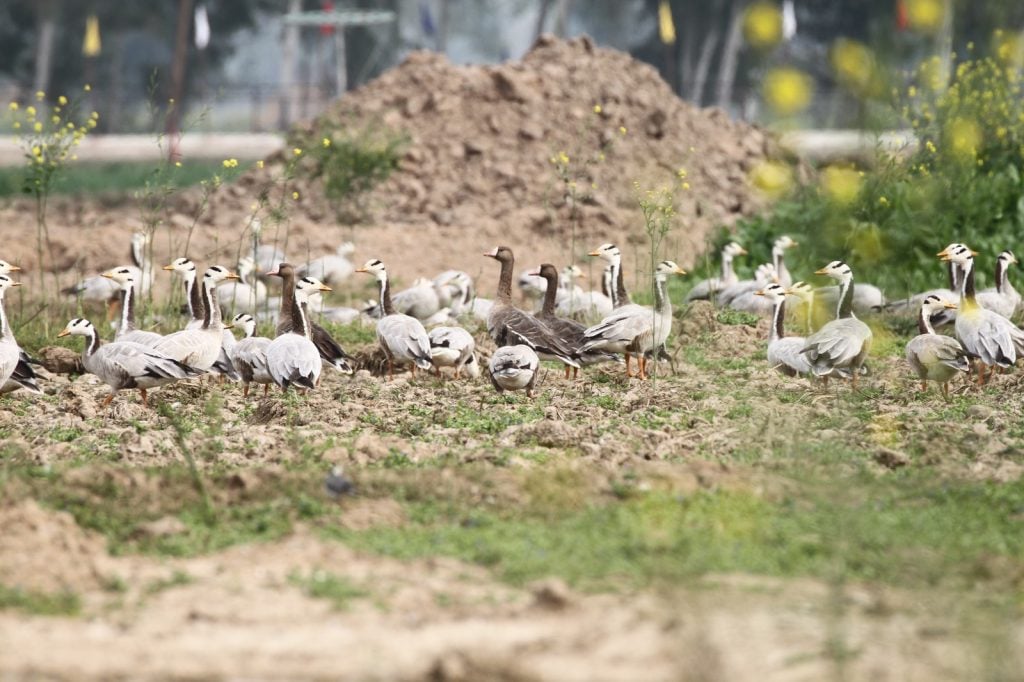
The numbers of Bar-headed Geese were particularly striking, with around 10,600 individuals recorded. For a wetland, such numbers are more than an impressive count. They reflect the availability of food, water, shelter and relatively undisturbed habitat.
But the restoration did not stop with birds. Gharana also witnessed the revival of eight recorded local fish species, along with other wetland-dependent creatures, including snakes and insects.
A species reintroduction initiative was also taken up for a local turtle species, adding another layer to the effort to rebuild the wetland’s native ecological community.
Wildlife and People Had to Share the Same Landscape
Conservation can become difficult when the needs of wildlife and surrounding communities collide. At Gharana, adaptive management was therefore made part of the restoration strategy.
Measures such as provisioning a wallowing pond, along with seed sowing and broadcasting sprouted seeds, helped reduce conflict with the local community. The idea was practical: improve habitat for wildlife while also addressing the situations that could bring animals and people into conflict.
That approach helped make conservation less about drawing a line between people and nature, and more about managing the space they share.
From a Wetland to a Place People Could Discover
There was another transformation taking place at Gharana, one that involved people not as a pressure on the ecosystem, but as visitors who could learn about it.
As part of eco-tourism initiatives, public amenities were developed around the wetland. An eco-shop and interpretation centre were established. Viewpoints were created with displays and spotting scopes, giving visitors an opportunity to observe the wetland and its birdlife without disturbing the protected areas.
Mobile toilets were provided, while a dedicated approach road and parking space improved accessibility. The impact was visible in visitor numbers. From only a few thousand visitors, Gharana began attracting around 40,000 visitors.
The wetland was no longer simply a landscape people passed by. It had become a place people came to see, understand and experience.
A Wetland That Is Now Being Watched Closely
Restoration does not end when the visible work is completed. Gharana is now being monitored through several channels.
Research scholars from the Central University at Samba and the University of Jammu are involved in research, while regular water sampling by the J&K Pollution Control Committee, along with monitoring by the Wildlife Department, J&K, helps keep track of the wetland’s health.
This continuing observation is important because wetlands are living systems. Their condition can change with water quality, seasons, wildlife populations and human activity.
At Gharana, monitoring has helped show improvement across the parameters assessed after restoration.
A Wetland With a Larger Future
Today, Gharana is managed strictly according to its approved Management Plan.
The restoration has also brought the wetland closer to meeting some of the criteria associated with notification under the Ramsar Convention, the international framework for wetlands of importance.
And the institutional framework around Gharana is still evolving. From a shrinking 2-hectare waterbody to a 6.25-hectare restored wetland, from polluted inflows to managed water systems, and from limited visitor presence to around 40,000 people discovering the site, Gharana’s story is one of ecological restoration carried out piece by piece.
The most compelling part may be that the transformation is visible not in one spectacular intervention, but across the wetland itself, in the water, the grasslands, the fish, the turtles, the insects and, most visibly, in the thousands of Bar-headed Geese that now find space at Gharana.
For Dr Kumar M K, the work has been about managing a protected landscape as a living ecosystem, one where wildlife needs space, water needs care, communities need consideration and conservation has to continue long after the first restoration work is finished.
Also read: Dr Ram Ratan Nala: The IFS Officer Combining Veterinary Science, Intelligence and Innovation to Protect Gujarat’s Asiatic Lions