In the dense forests of Chaibasa, Jharkhand, lives a significant portion of India’s elephant population—approximately 600-700 elephants, representing nearly 24% of the Central Indian elephant population. These majestic creatures, protected under Schedule I of the Wildlife Protection Act (1972), are not just wildlife; they are a vital part of the ecosystem.
However, as human settlements expand and natural habitats shrink, the age-old corridors used by elephants for migration are increasingly under threat. This encroachment has led to escalating human-elephant conflicts (HEC), posing challenges to both communities and wildlife.
ENTER SATYAM KUMAR: THE VISIONARY DIVISIONAL FOREST OFFICER
Amid this pressing concern, Satyam Kumar, the Divisional Forest Officer (DFO) of Chaibasa, has taken on the formidable task of creating elephant corridors. His approach is rooted in science, community engagement, and sustainable development, aimed at preserving these vital migratory paths while mitigating human-elephant conflicts.
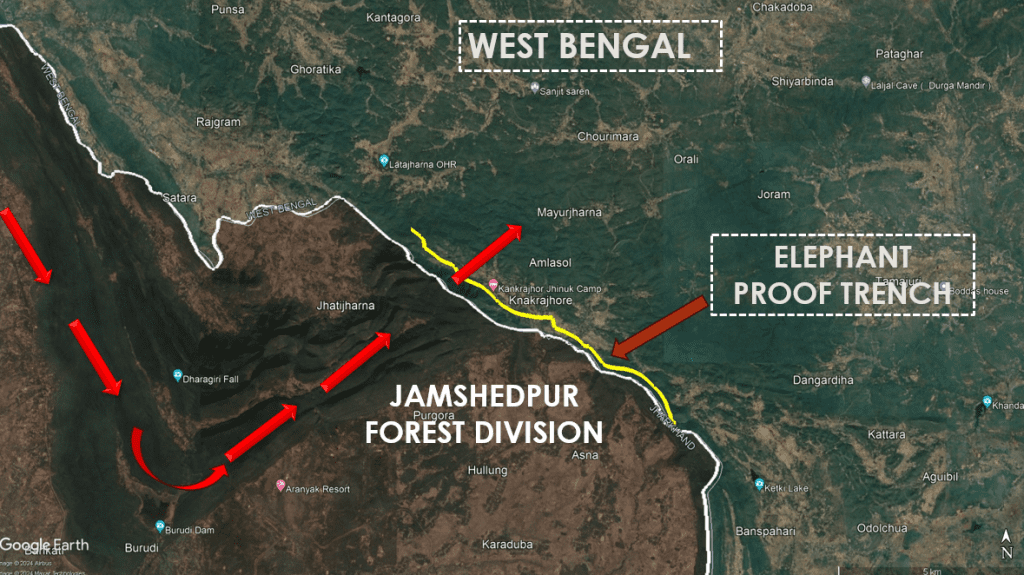
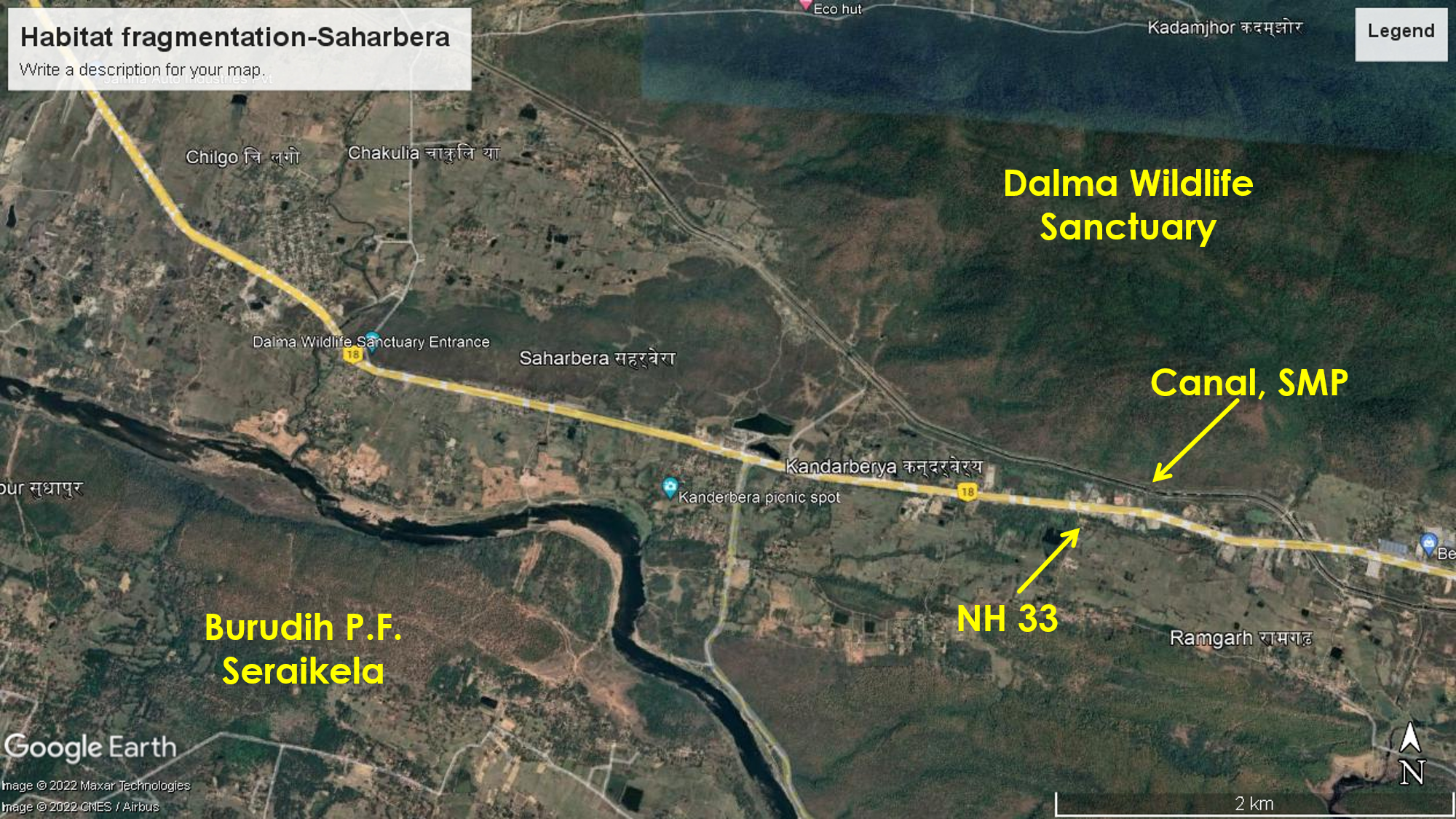
Kumar’s first objective was clear: identify and develop a key corridor that connects the fragmented habitats within the Chaibasa forest division. The selected corridor spans from Sialjoda, Lepang, and Jampani to Dhobhadhobin and Ratnasai.
“The approach is methodical, we start with the identification of villages that fall within this corridor and subsequently prepare a detailed project report for its development and management.,” he shared.
DEVELOPMENTS SO FAR: MAPPING THE PATHWAY
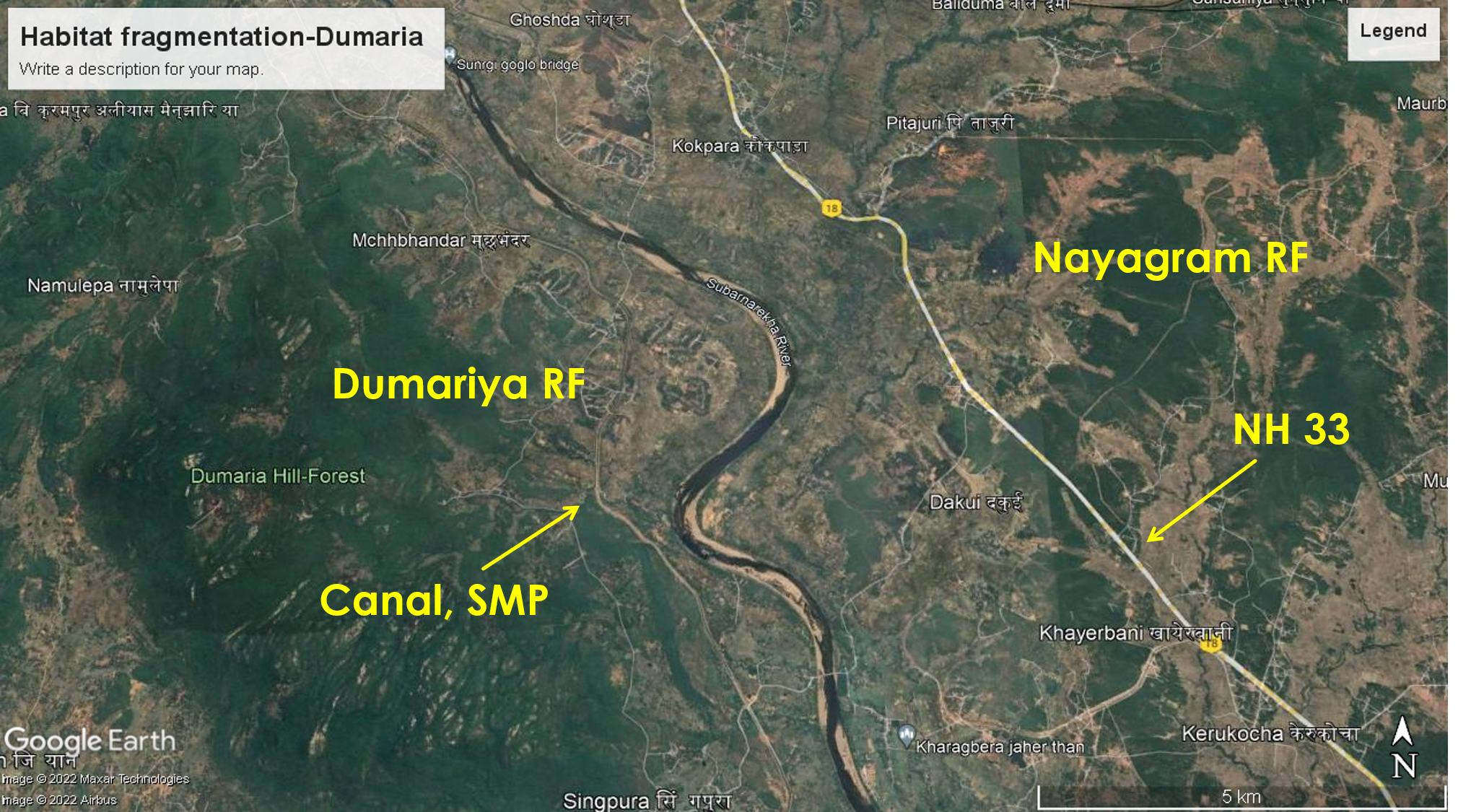
The initiative began with the identification of 61 villages across five blocks that are crucial to three key corridors: the Jampani-Bhagabilla Corridor, the Siyaljoda-Dhobadhobin Corridor, and the Lepang-Dumuria Corridor. To ensure thoroughness, a committee was constituted by the District Collector of West Singhbhum.
The committee’s mandate included the identification and mapping of land parcels within the corridor, understanding the nature and ownership of these lands, and preparing KML files for accurate mapping.
“Field verification was also a critical component to ensure that the proposed alignments were both practical and beneficial for elephant movement,” he shared with Indian Masterminds.
ENGAGING THE COMMUNITY: OVERCOMING APPREHENSIONS
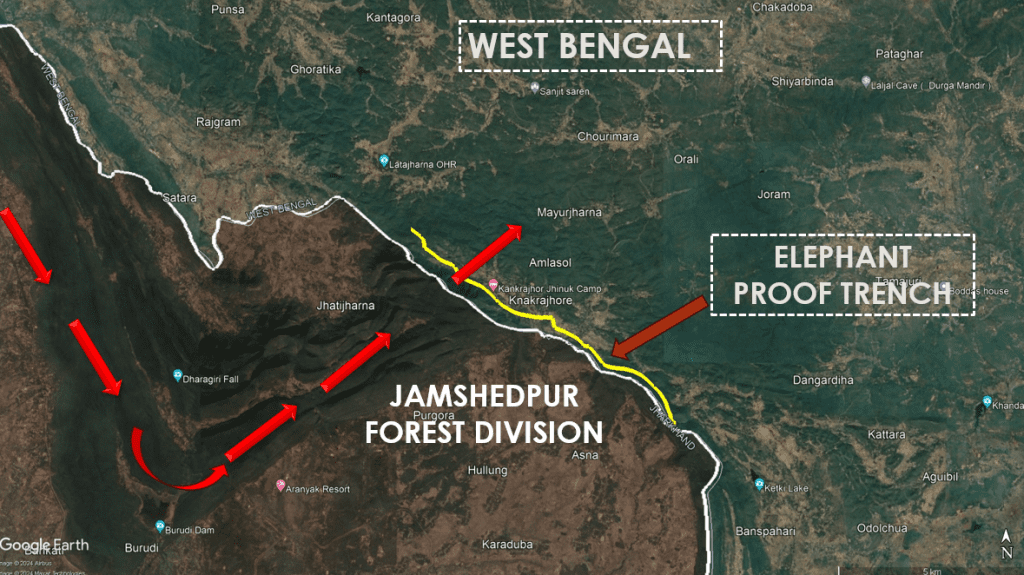
During preliminary meetings with villagers in Angarpada, Lepang, and Jampani, several concerns emerged. The villagers expressed apprehensions about financial gains, the status and ownership of their lands, and doubts about the overall success of the initiative.
Recognizing the importance of community buy-in, Kumar has placed significant emphasis on addressing these concerns through transparent communication and engagement.
FUTURE COURSE OF ACTION: FROM MAPPING TO IMPLEMENTATION
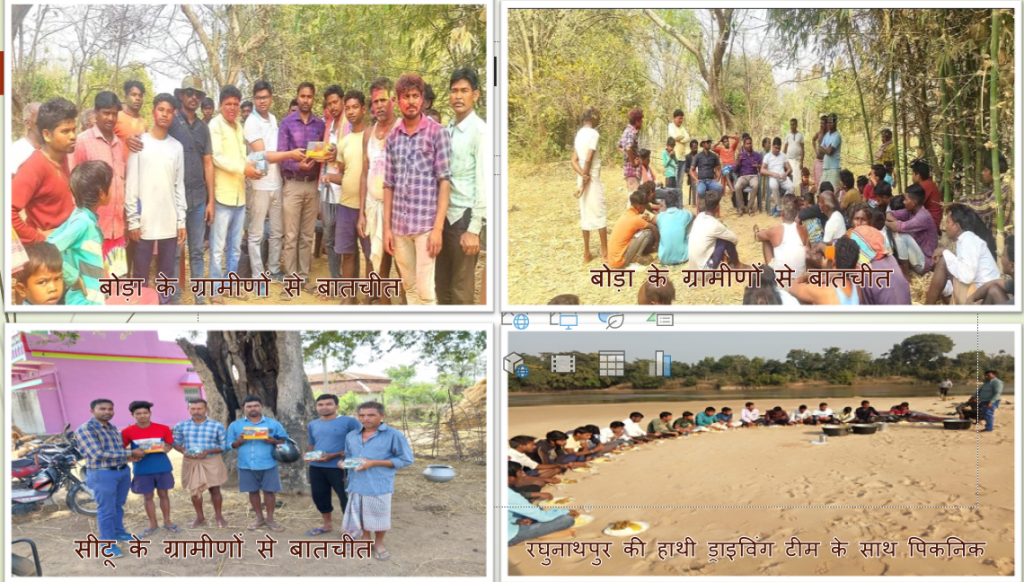
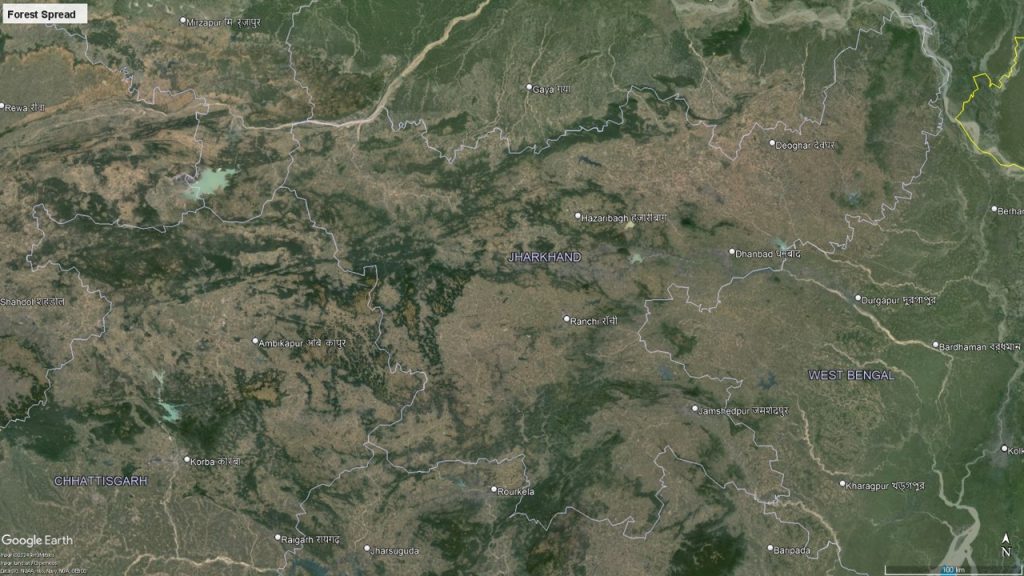
The next phase involves the preparation of maps for all 61 villages, taking into account factors such as HEC data, geography, land use patterns, and the location of important structures like schools and hospitals.
“However, the absence of maps for 14 villages presents a challenge. To address this, requests have been made to the Office of the Settlement Officer in Ranchi and the District Administration for the necessary georeferenced maps,” stated Kumar.
FIELD VERIFICATION AND MONITORING
With maps in hand, the focus will shift to identifying the nature and ownership of plots within the tentative corridor. Real-time monitoring of elephant movements along these paths will be crucial in establishing the authenticity and utility of the corridors.
“This data-driven approach will inform the final alignment of the corridor and ensure it serves its intended purpose.”
COMPENSATION MODELS AND PUBLIC ENGAGEMENT
A key aspect of Kumar’s plan is the development of a model for rent or compensation for landowners whose lands fall within the corridor. This model will be essential in gaining community support.
“Public engagement will continue to be a priority, with efforts to involve villagers in the decision-making process and to finalize the corridor’s alignment in a manner that benefits both elephants and humans,” he told Indian Masterminds.
IMPLEMENTATION: A PHASED APPROACH TO CORRIDOR DEVELOPMENT
Phase I: Habitat Enrichment and Community Engagement:
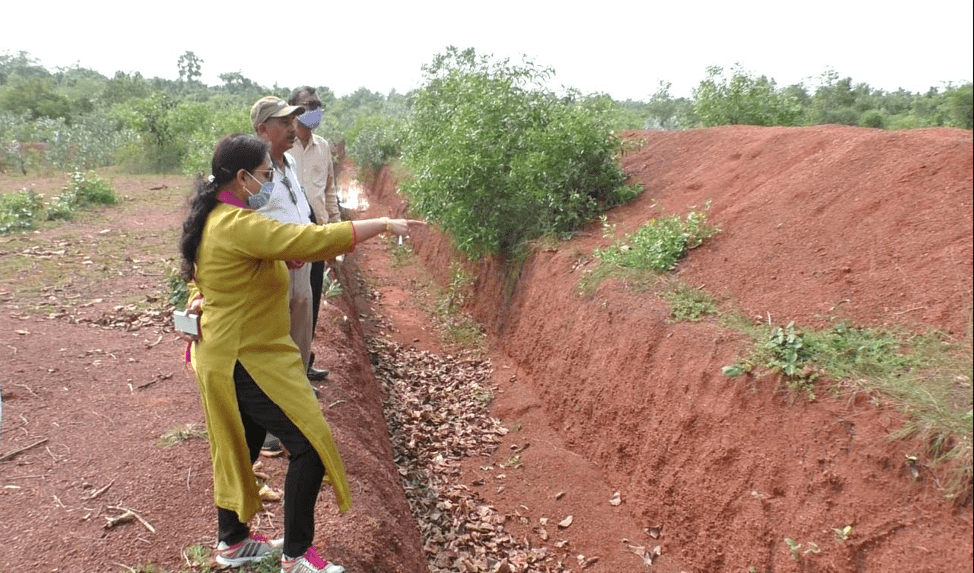
The first phase of implementation focuses on planting elephant-preferred species on forest land and government-managed (GM) land. Simultaneously, soil and moisture conservation (SMC) works will be carried out, and water harvesting structures will be constructed. Community engagement will continue in parallel, particularly regarding the rental model for private (Rayati) lands.
Phase II: Expanding the Corridor
The second phase will see the implementation of the rental model on Rayati lands, with the plantation of bamboo, turmeric, ginger, and other commercial species. This phase will also include the training of locals in bamboo extraction and marketing, providing them with sustainable livelihood options linked to the corridor.
CHALLENGES AND SOLUTIONS: TACKLING HUMAN-ELEPHANT CONFLICT
The root causes of HEC in Jharkhand are multifaceted. Habitat fragmentation, linear infrastructure projects, mining activities, and the lack of inter-state coordination exacerbate the situation. These factors have led to elephants moving into newer districts and even crossing state borders, further complicating management efforts.
Pre-Conflict Mitigation Measures
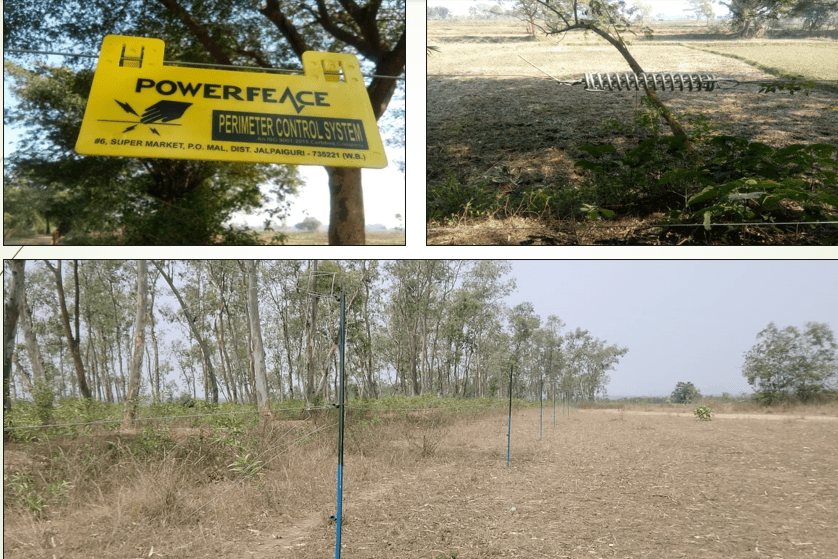
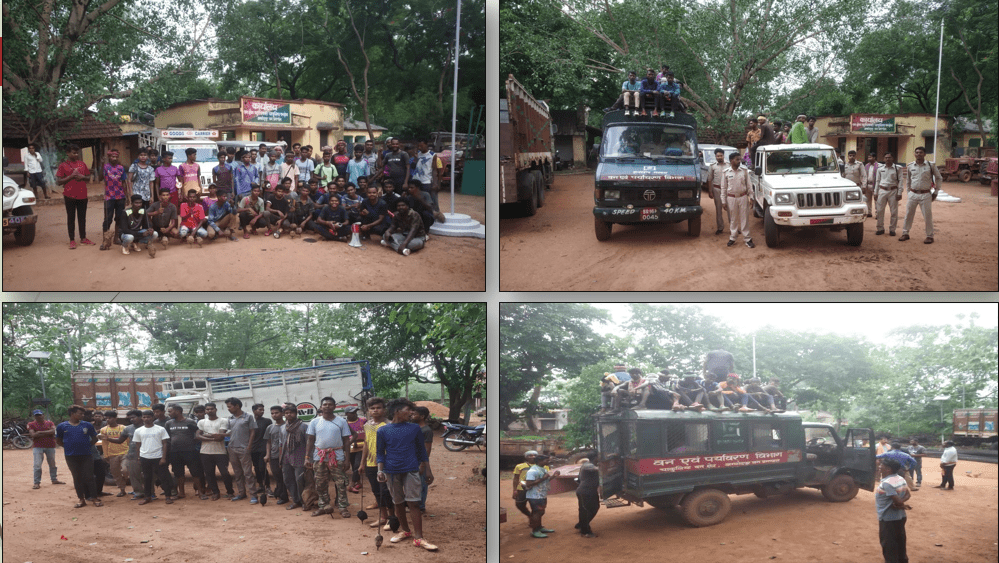
Kumar’s strategy includes identifying sensitive areas and conducting community meetings to foster a collaborative environment. Anti-depredation items are being distributed, and local members of Joint Forest Management Committees (JFMCs) are receiving training on techniques for driving elephant herds and understanding elephant behavior.
During Conflict: Real-Time Response
During active conflicts, real-time monitoring of elephant locations, rapid mobilization of resources, and continuous communication with affected villages are crucial. Kumar’s team is trained to drive elephants to safer locations with minimal human interaction.
Post-Conflict Support and Compensation
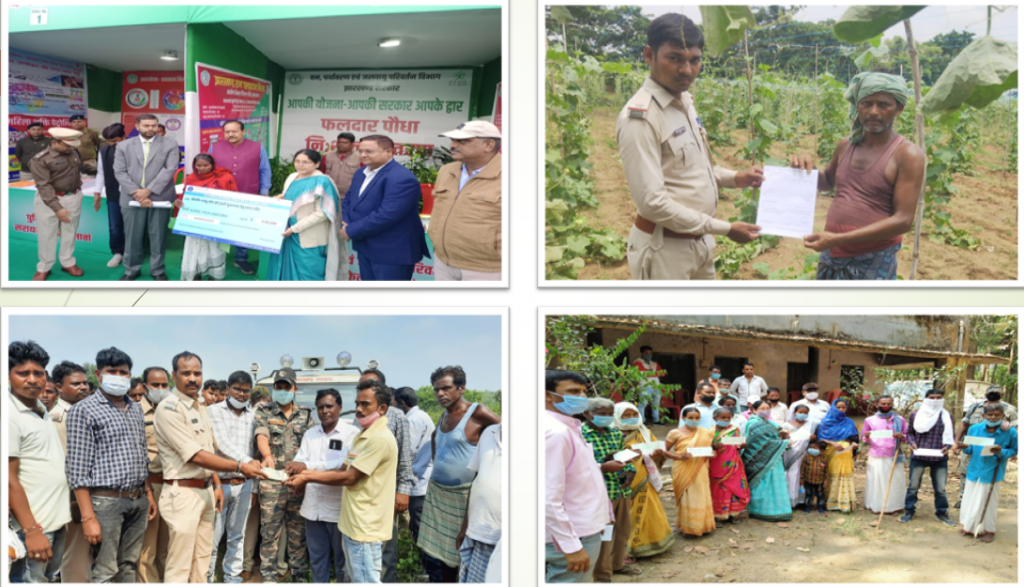
In the aftermath of conflicts, Kumar ensures that compensation assessments are conducted promptly and that affected individuals receive timely support. This proactive approach helps prevent escalations and fosters trust between the forest department and local communities.
By creating elephant corridors, IFS Satyam Kumar is not only preserving vital migratory paths but also fostering a model of coexistence that can serve as a blueprint for other regions grappling with similar challenges. As these corridors take shape, they promise to reduce human-elephant conflicts, support local livelihoods, and ensure that Jharkhand’s majestic elephants continue to roam their ancestral lands in peace.