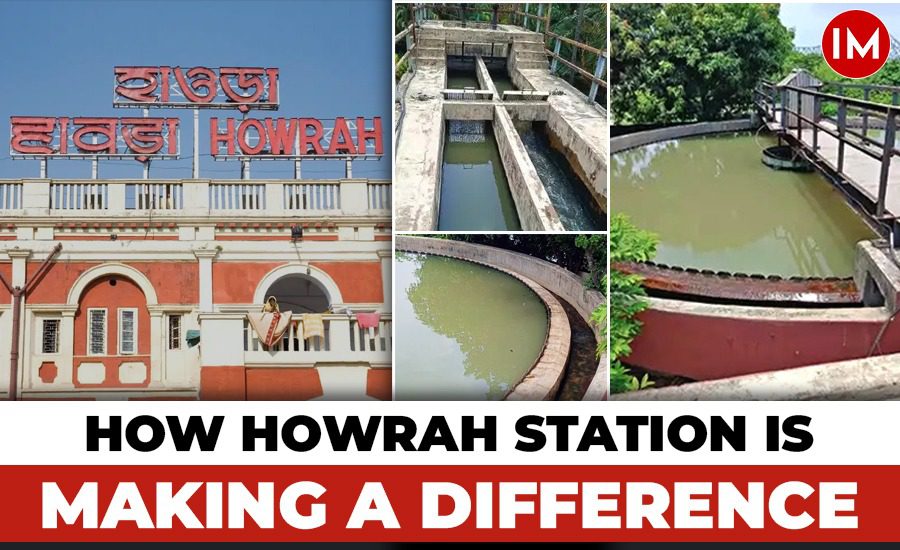
Unchecked groundwater extraction and the consequent drop in groundwater levels will inevitably lead to severe water shortages in the future. To address this issue, rainwater conservation emerges as a vital solution. This is why rainwater harvesting campaigns are frequently promoted. In this regard, Eastern Railway has made significant strides by implementing a groundbreaking rainwater harvesting system at Howrah Railway Station in Kolkata, West Bengal.
This system conserves millions of liters of water, repurposing it for various needs, including train washing. Impressively, it will capture and recharge 7.3 million liters of rainwater into the groundwater table each year. The station collects and reuses around 97,524.5 cubic meters of rainwater annually through this advanced system.
To gain deeper insights into this impressive initiative, Indian Masterminds spoke with Mr. Kaushik Mitra, the CPRO of Eastern Railway and an IRTS officer from the 2012 batch.
HOW THE SYSTEM SAVING WATER
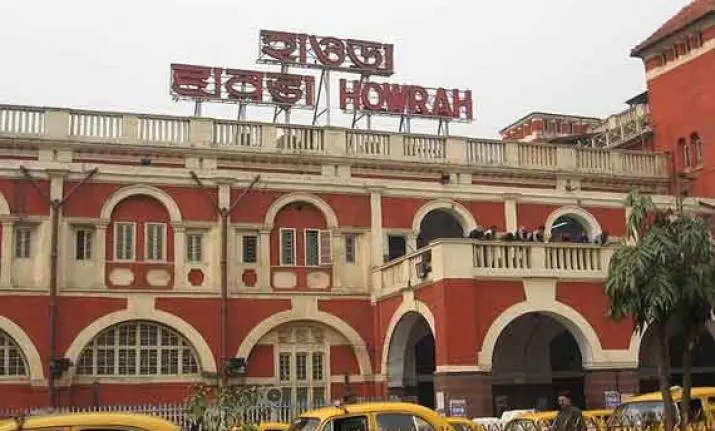
The rainwater harvesting system at Howrah Railway Station is setting a new benchmark in sustainability. With over 90 percent of the station area covered by sheds and roofs, the system maximizes water capture, benefiting from the region’s annual rainfall of 164.95 mm.
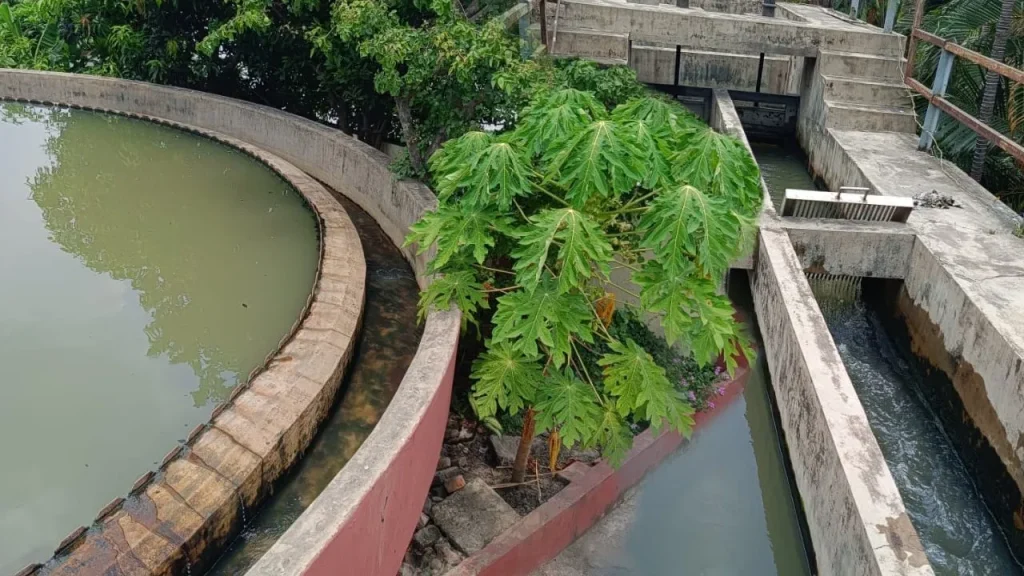
The station boasts a total roof area of 78,831.6 square meters, and the surrounding area’s annual rainfall amounts to 97,524.54 cubic meters. Of this, 90,224,540 liters of runoff rainwater are directed to a settlement tank at the Effluent Treatment Plant (ETP).
Reusing this significant volume of rainwater plays a crucial role in water conservation. Each year, 7.3 million liters of rainwater are repurposed for various uses at the station.
The engineering department has overseen this initiative and contributed innovative ideas. A damaged PVC tank was repurposed into a recharge pit, constructed in front of platform number 23. This pit, filled with stones and sand, naturally collects and allows rainwater to replenish the groundwater.
Utilizing the station’s extensive roof area, the system effectively captures and manages rainwater.
“Eastern Railway plans to replicate this successful model at other major railway stations,” Mr. Mitra shared.
RESUING THE WATER
The station successfully recharges approximately 7,300,000 liters of rainwater into the groundwater each year, averaging 20,000 liters per day over 365 days.
The advanced system captures and reuses around 97,524.5 cubic meters of rainwater annually.
Initially, the rainwater is purified at the station’s ETP. Once treated, the water is repurposed for cleaning the platform and station surfaces. “This process has significantly reduced the station’s reliance on freshwater for cleaning and washing, further contributing to sustainable water management,” Mitra added.
BENEFITS
The rainwater harvesting system at Howrah Railway Station offers several key benefits, ranging from environmental protection to economic savings.
Water Conservation: The station effectively collects and recycles a significant volume of rainwater throughout the year. This practice has reduced the station’s reliance on new water sources to nearly zero.
Environmental Protection: By using recycled water, the station minimizes water wastage and positively impacts the environment. The recharge of underground water from the recycled rainwater helps to increase groundwater levels, which will be valuable in addressing future water crises.
Economic Benefits: Utilizing recycled water in place of fresh water cuts down on water costs, making the system economically advantageous. This conservation effort translates to long-term financial savings.
In its commitment to sustainability, Howrah Station has set a remarkable example. Mr Mitra said, “The success of its rainwater harvesting system underscores the potential for innovative environmental practices in urban infrastructure, paving the way for other stations and facilities to adopt similar measures.”