As Punjab faces an alarming environmental disaster due to its rapidly depleting groundwater levels, an innovative solution has emerged. Retired IAS officer Kahan Singh Pannu, a pioneer in agricultural reform, has introduced the Seeding of Rice on Beds (SRB) technique, which drastically reduces the water needed to grow rice. With groundwater levels expected to deplete entirely in the next 15 years, Pannu’s solution could offer a lifeline to Punjab’s agricultural future.
In an exclusive conversation with Indian Masterminds, the officer shared details about the same.
THE WATER CRISIS IN PUNJAB
Punjab’s groundwater table is depleting at an alarming rate. Experts warn that the state’s groundwater could completely dry up to depths of 1,000 feet in just 15 years, posing a severe threat to the region’s agricultural foundation and overall sustainability. The primary culprit is the cultivation of paddy (rice), a water-intensive crop traditionally grown during the summer months.
One kilogram of rice grown using traditional methods consumes nearly 5,000 liters of water. This high water demand is largely due to the puddling technique, where fields are flooded to create artificial ponds. These waterlogged conditions result in significant water loss, particularly during the summer when evapotranspiration rates are highest.
“This method has led to a vicious cycle of water overuse that is pushing Punjab’s environment to the brink,” shared the officer.
THE SRB TECHNIQUE: A GAME-CHANGER
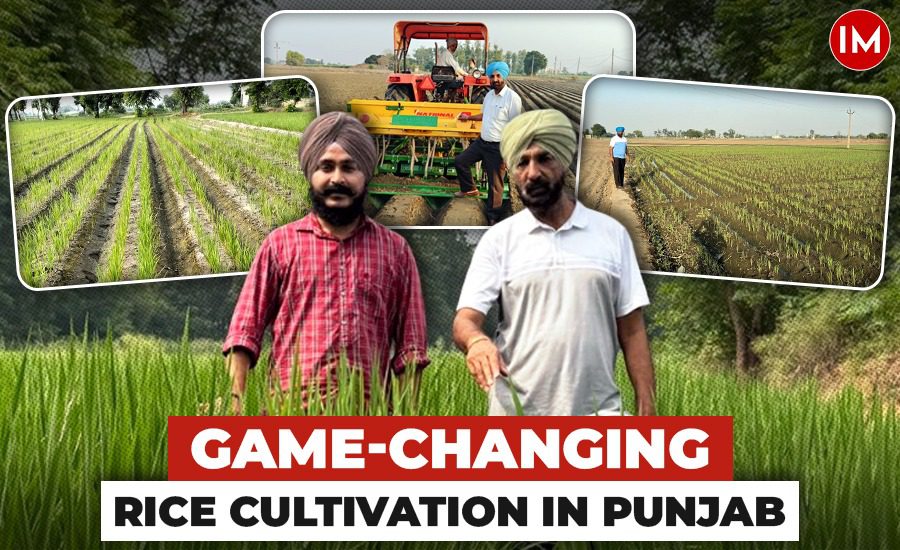
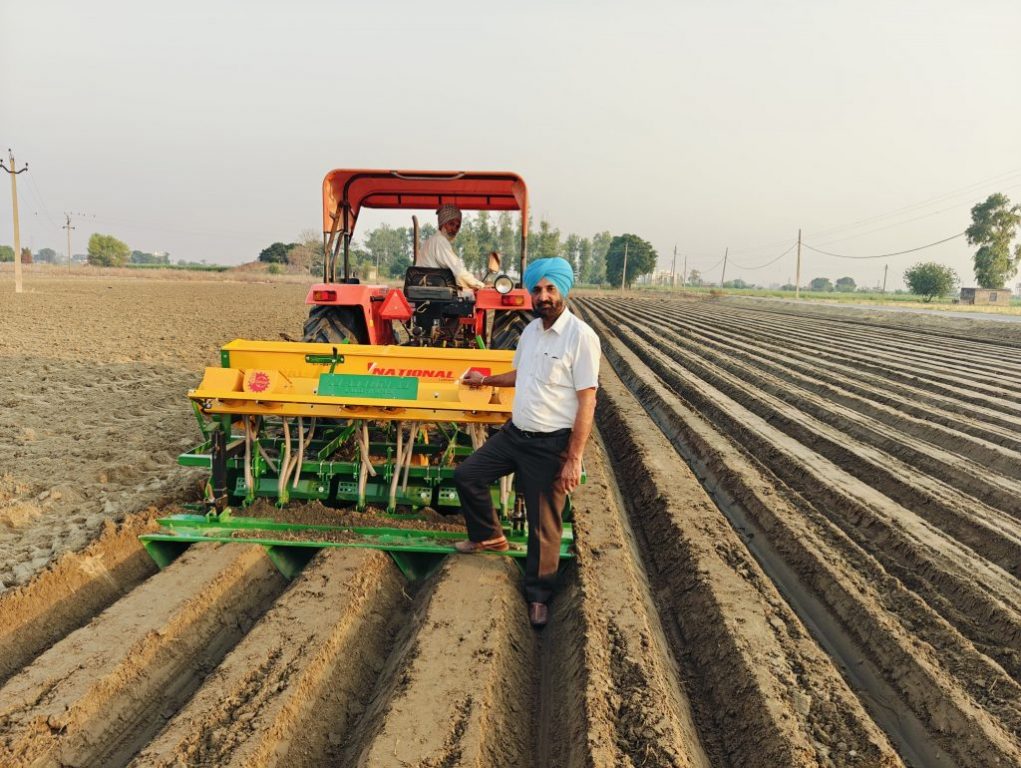
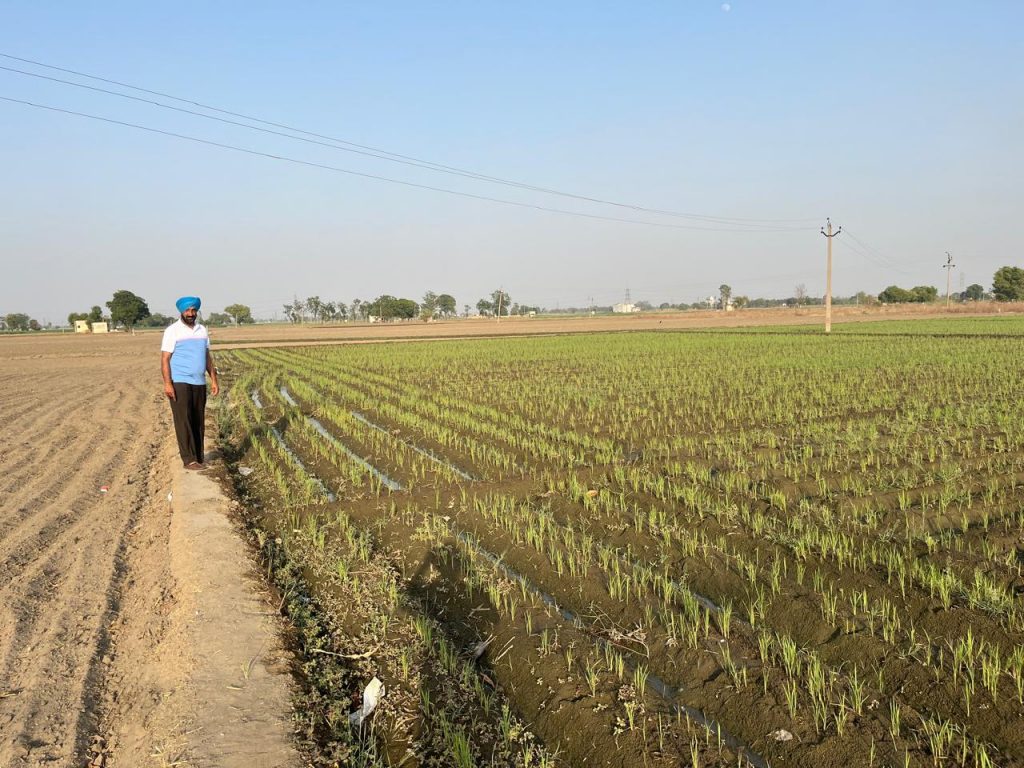
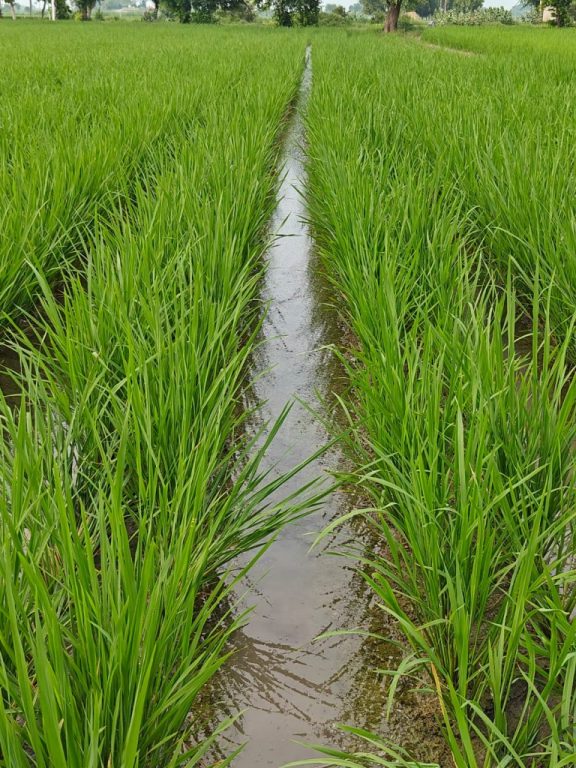
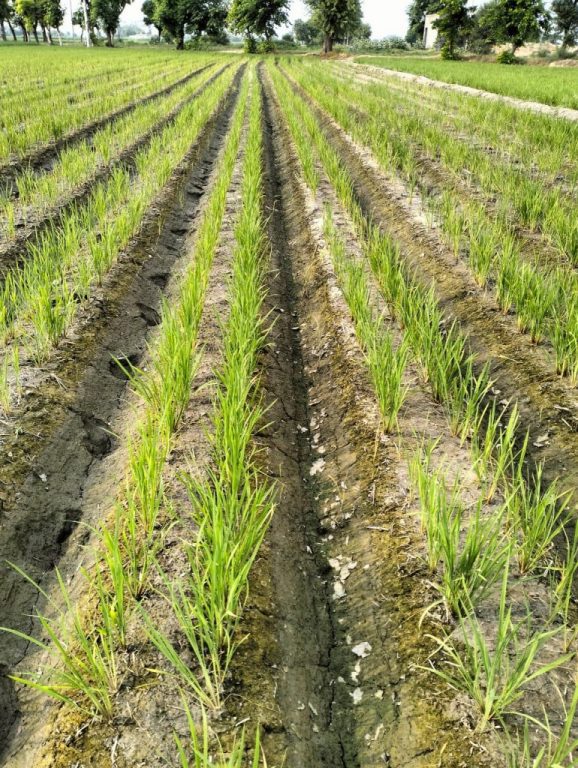
Mr. Pannu, an alumnus of Punjab Agricultural University and former Secretary of the Department of Agriculture, Government of Punjab, has introduced the SRB technique to address this issue. The method involves directly sowing rice seeds on raised beds, eliminating the need for standing water. Instead, water is applied only in the furrows between the beds, reducing the crop’s water consumption by a staggering 75%.
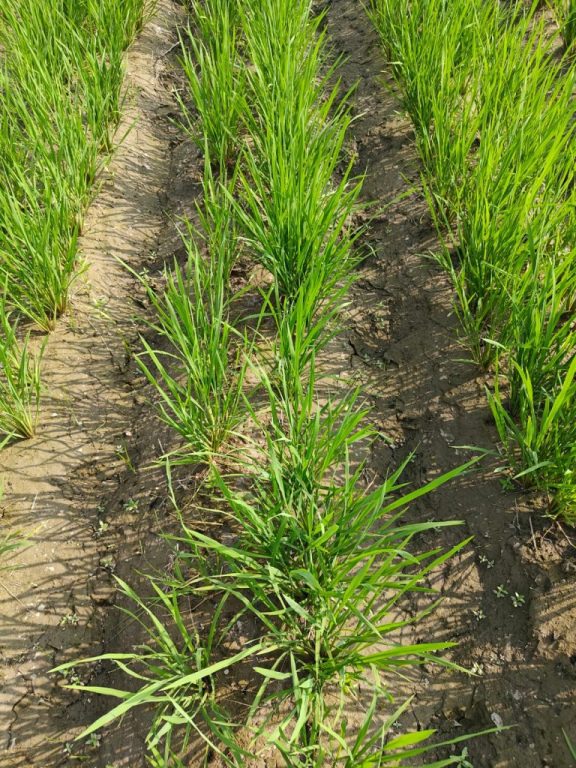
“By using the SRB method, rice can grow using moisture alone. The roots receive enough water through the furrows, while the raised beds allow air, light, and space for the plant to grow to its full potential,” he told Indian Masterminds.
The beds, which are 18 to 22 inches wide, accommodate two rows of rice plants with a 10 to 12-inch gap between rows. This structure ensures that the plants receive optimum sunlight and ventilation, allowing them to flourish. According to Mr. Pannu, rice sown using SRB requires only 25% of the water used in traditional puddling techniques.
IMPACT ON LABOR AND COSTS
The SRB method not only addresses water usage but also reduces dependency on labor, particularly migrant labor, which is typically required for transplanting rice seedlings. The SRB technique eliminates the need for transplantation, thus decreasing labor costs for farmers.
Mr. Pannu has also developed an affordable SRB sowing machine, which can be easily acquired by village cooperatives.
“Our goal is to make this technology accessible to everyone,” Mr. Pannu says. “This machine is cost-effective and can be shared within communities, further reducing the financial burden on individual farmers.”
TRIALS AND SUCCESS STORIES
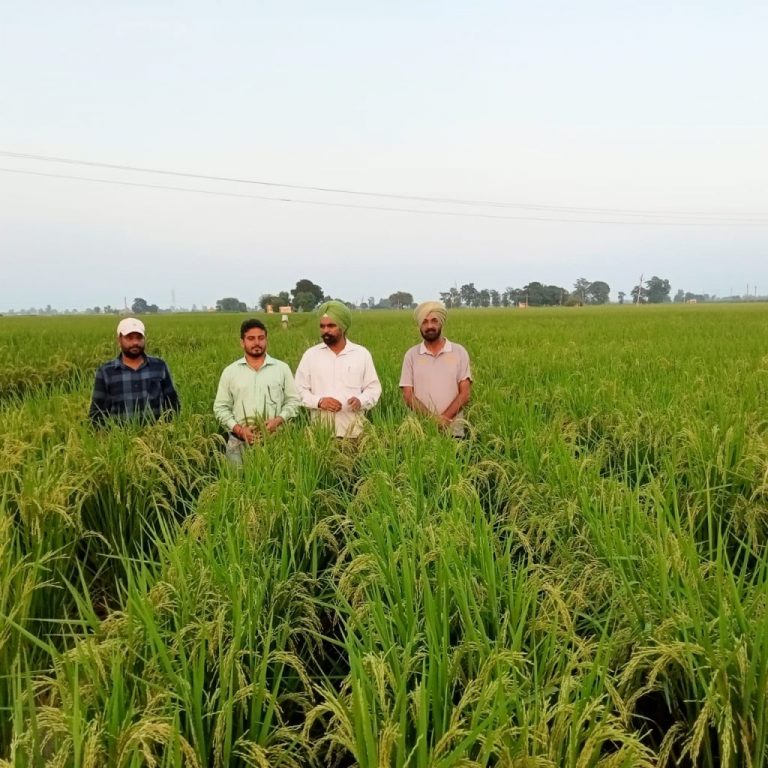
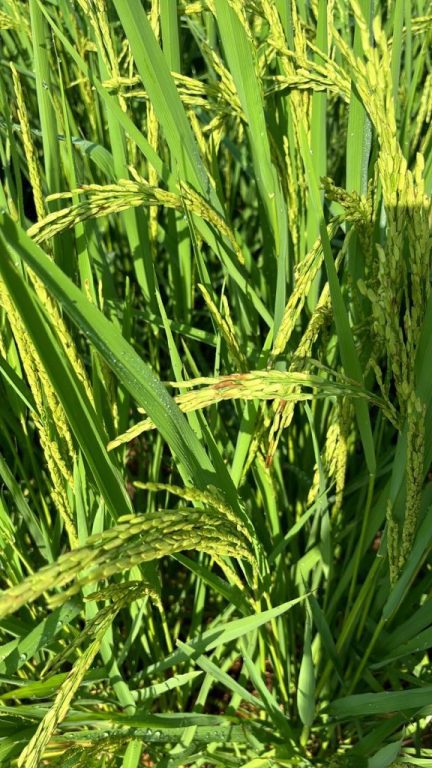
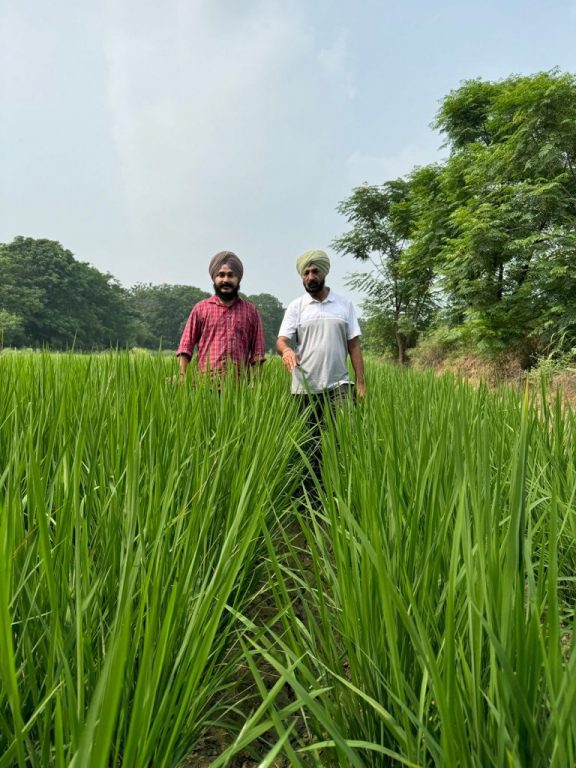
Initial trials of the SRB technique, conducted by Pannu in various regions of Punjab, have yielded positive results. Farmers have reported yields of approximately 32 quintals per acre, comparable to the yields achieved through traditional methods.
“The SRB technique is not just about saving water; it’s about enhancing the overall sustainability of rice cultivation. With less water, less labour, and fewer greenhouse gas emissions, this method can transform rice farming in Punjab,” he told Indian Masterminds.
One of the most significant environmental benefits of SRB is the reduction of methane emissions. When rice is grown in standing water, anaerobic conditions lead to the release of methane, a potent greenhouse gas. SRB eliminates the need for standing water, thereby reducing methane emissions. Additionally, SRB improves soil health by keeping soil pores open, which facilitates better rainwater recharge and supports microbial activity in the root zone.
A LEGACY OF AGRICULTURAL INNOVATION
Mr. Pannu’s contribution to sustainable agriculture is not new. He was instrumental in drafting the Punjab Preservation of Sub Soil Water Act in 2009, a key piece of legislation aimed at conserving groundwater. During his tenure as Deputy Commissioner of Amritsar, he introduced the laser land leveller, an imported machine from Italy, which further contributed to water conservation in farming.
In 2012, Pannu played a crucial role in introducing Direct Seeding of Rice (DSR), a technique that also reduces water usage in rice cultivation. However, the SRB method, which Mr. Pannu began promoting during the COVID-19 pandemic in 2019-20, takes water conservation a step further.
“The SRB method is an evolution of DSR,” he explains. “It requires even less water, while achieving the same results. With SRB, we are not just protecting the present but securing the future of Punjab’s agriculture.”
A HOPEFUL FUTURE FOR PUNJAB
As Punjab stares down a potential environmental disaster, Kahan Singh Pannu’s SRB technique offers a glimmer of hope. By drastically reducing water consumption, lowering labor costs, and cutting greenhouse gas emissions, SRB has the potential to revolutionize rice cultivation in Punjab. Pannu’s legacy as an innovator in sustainable agriculture continues to grow, offering solutions to one of the region’s most pressing crises.