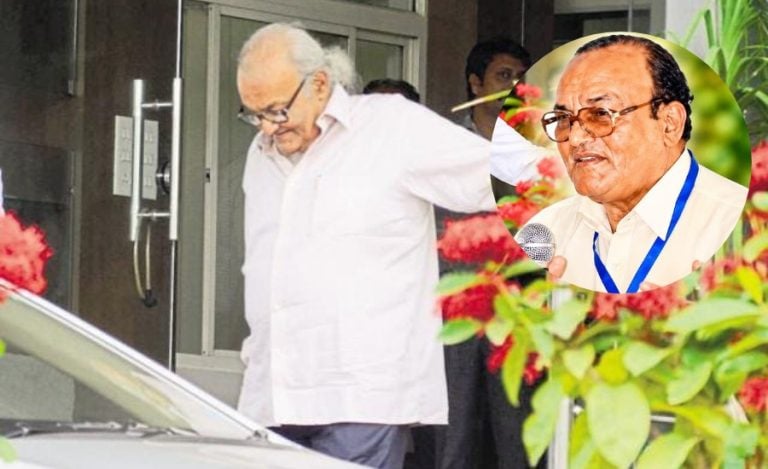
There is a difference. Bhagwat Chandrasekhar could make a batsman read the ball one way and watch it turn another. In those days, there was no third umpire waiting upstairs. The finger went up, or it didn’t. The game moved on.
The Tata Sons episode is proving less tidy. At one level, it is about N Chandrasekaran’s reappointment as Chairman. At another, much more relevant level, it is about something that every large institution eventually has to confront: what happens when people exercising legitimate authority disagree about what that authority actually permits?
That is where governance stops being a policy document and becomes a test of the institution itself.
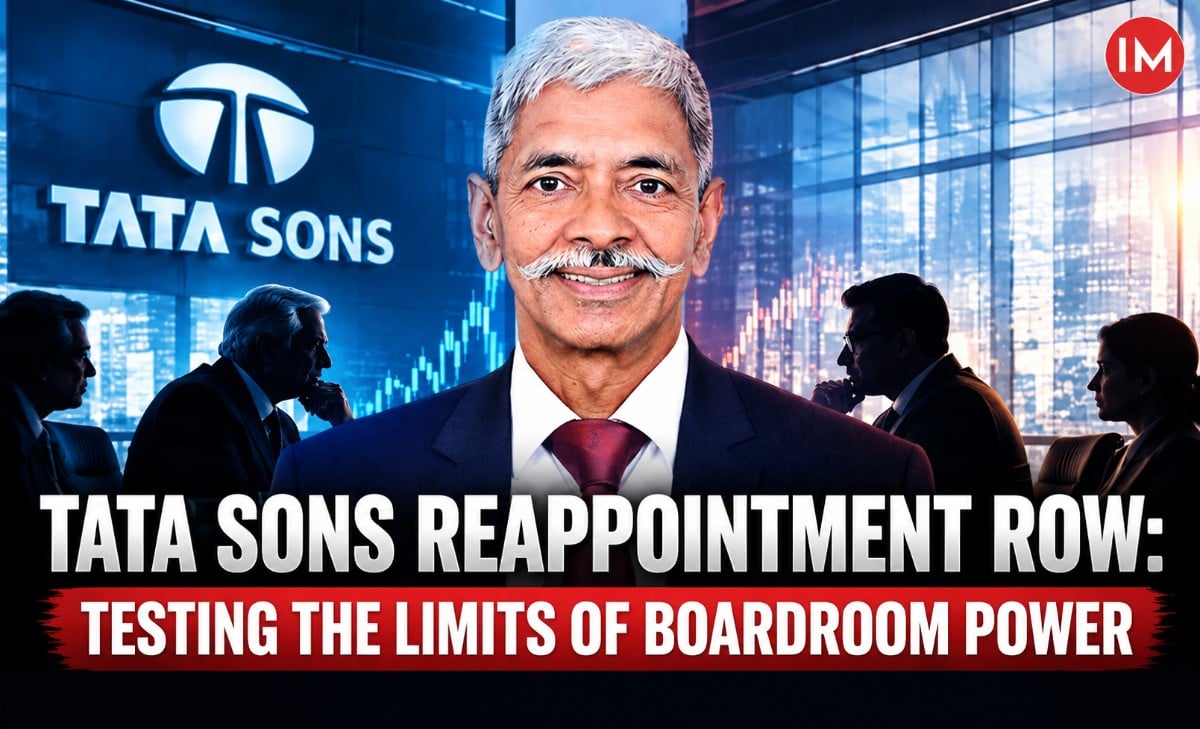
On 12th August, Chandrasekaran indicated that he would not seek another term after his existing tenure. On 17th September, the Tata Sons board voted 4-1 to reappoint him for five years. Tata Trusts Chairman Noel Tata voted against the resolution. Tata Trusts subsequently challenged its validity, while Tata Sons has maintained that the reappointment was valid and supported its position with legal advice.
Noel Tata has since sought the video recording and minutes of the September 17 meeting, raising further questions about the process and the legal opinions relied upon. Those matters remain contested. They are not findings of wrongdoing. Then came another development.
The Maharashtra Charity Commissioner has asked the Sir Dorabji Tata Trust to respond by 12th October to a complaint filed by Venu Srinivasan concerning aspects of the Trust’s governance. Again, this is a regulatory process, not a finding against the Trust. But it changes the conversation. The question is no longer confined to the Tata Sons boardroom.
Also Read – BRICS Was India’s Diplomatic Test. Strategic Influence Is the Real Prize.
When two institutions read the same rulebook differently.
The most interesting part of this episode is not the 4-1 vote. It is what sits behind the vote. Tata Sons’ Articles of Association contain provisions concerning the rights of Tata Trusts nominees. The dispute turns, among other things, on how those provisions should be interpreted in the circumstances of the 17th September decision. That sounds like a technical legal issue. It isn’t.
For a board, the difference between having a majority and having the authority to exercise that majority can be enormous. A resolution can be numerically convincing and still invite a question about whether the prescribed process was followed. This is something government institutions understand, sometimes painfully. A minister has political authority. A secretary has administrative authority. A regulator has statutory authority. A board has fiduciary responsibility. An officer may have operational command. The fact that all of them may be dealing with the same subject does not mean they possess the same authority. The boundaries matter most when people disagree.
This is where governance gets tested
When everybody is aligned, governance can look deceptively easy. The Chairman proposes. The Board discusses. The vote is taken. Minutes are recorded. Everyone leaves the room. The real test comes when the Chairman wants one outcome, a significant shareholder wants another and directors begin to differ. That is not necessarily a governance failure. In fact, disagreement can be healthy. The failure comes when the institution has no trusted mechanism for resolving it.
This is why the current Tata episode deserves attention beyond the Bombay House. India has an expanding universe of family-controlled companies, promoter-led enterprises, trusts and professionally managed businesses. Ownership structures are becoming more complicated. So are boards responsibilities. The old understanding – “the promoter owns it, therefore the promoter decides” is no longer sufficient.
Nor is the opposite proposition- “the board voted therefore the matter is settled.” Both are too simple.
The Independent Director sits in the uncomfortable middle
For Independent Directors, this is where the job becomes difficult. An Independent Director is not there to automatically oppose the promoter. Nor is independence demonstrated by agreeing with management every time. The job is to ask whether the decision is properly made, properly authorised and properly documented. Sometimes the most valuable question in a board meeting is not a strategic one.
It may simply be: Are we certain we have the authority to take this decision in this manner? That question can irritate people. It may also save them considerable trouble later. A director should also be able to disagree without that disagreement becoming a question of loyalty. That is particularly important where nominee directors are involved. A nominee may have been appointed by a shareholder, but once on the board, the director’s duties arise within the legal framework governing directors and the company. This is precisely why governance architecture has to be clear before a disagreement arrives.
The listing question makes the situation more complicated
The Chairmanship dispute is also unfolding alongside the continuing debate over Tata Sons’ listing and regulatory status. Tata Trusts has proposed restructuring Tata Sons through a merger involving Tata Electronics Systems Solutions and Tata Consulting Engineers. The proposal is intended to address the regulatory framework around Tata Sons and its potential listing, subject to the necessary approvals. There is disagreement over that route too.
Reportedly four trustees of the Sir Dorabji Tata Trust have accused Venu Srinivasan and Vijay Singh of departing from the Trust’s earlier position opposing a listing.The details will have to work their way through the appropriate institutional channels. But look at what is happening underneath. Succession. Shareholder rights. Trust governance. Regulatory classification. Potential listing. Board authority. Several different questions are now touching the same governance machinery. That is when clarity becomes valuable.
The regulator’s role is not the same as the umpire’s
There is a temptation in a high-profile dispute to look for one person who will finally declare who is right. Corporate governance does not work quite that way. The board has its responsibilities. Shareholders have theirs. Trustees have theirs. Regulators have defined statutory roles. Courts and tribunals provide further avenues of review when required. That may appear cumbersome. It is actually a safeguard. The important thing is that every institution should stay within its lane while using the mechanisms available to it.
The Charity Commissioner’s notice to the Trust should therefore be viewed in that context. The Trust will have an opportunity to respond. The allegations must be examined through due process. That distinction is not merely legal caution. It is good governance.
There is a military lesson here
In the Army, clarity of command is not a luxury. In a crisis, ambiguity over who can decide can be more dangerous than disagreement over what should be done. The same principle applies in a boardroom, although the consequences are usually measured in litigation, value destruction or loss of confidence rather than lives. A good institution does not try to eliminate disagreement. It creates a structure in which disagreement can be managed without paralysing the institution. That is the standard Corporate India should be looking at. Not whether everyone agrees. Whether the system works when they don’t. And that brings us back to the googly
Chandrasekhar’s googly tested the batsman’s judgement. N Chandra’s metaphorical googly has tested the institution’s judgement. The outcome of the Chairmanship dispute will eventually be determined through the relevant corporate and legal processes. That is not the most interesting part for me. The more important question is whether Tata Sons and the institutions around it can emerge with a clearer understanding of where ownership ends, where trusteeship operates, where board authority begins and where regulatory oversight sits.
India’s largest business institutions cannot depend indefinitely on the goodwill of individuals. Individuals change. Boards change. Promoters change. Trustees change. The rulebook must remain. That is why the current Tata episode matters.
The real governance test is not whether an institution can make a decision when everyone agrees. It is whether the institution can survive a serious disagreement without losing its bearings. In cricket, the third umpire reviews the ball.
In governance, the institutions themselves become the review mechanism. The important thing is that everyone must accept the rulebook before asking the umpire to make the call.
About The Author – Colonel M V Shashidhar (Retd) is a Defence & Strategic Affairs Expert, Certified Independent Director (IICA), ESG Advocate and Governance Thought Leader
Disclaimer—(The views and opinions expressed in this article are solely those of the author and do not necessarily reflect the views of Indian Masterminds. For feedback or queries, please write to [email protected].)
Also Read – Atmanirbharta 2.0: India’s Real Defence Test Begins After the Factory Gate