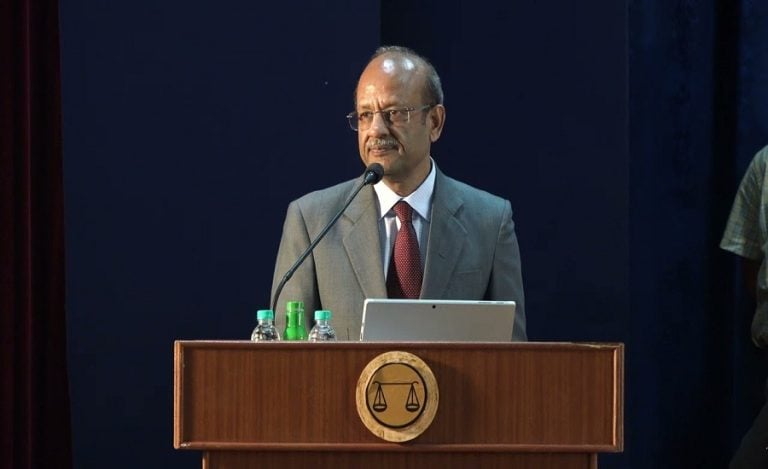
In a decisive step to tackle rising crimes against women, the Bargarh Police, under the leadership of IPS officer Smit P Parmar (2013 batch, Odisha cadre), launched the Veerangana initiative during his tenure as Superintendent of Police in Bargarh. The program focuses on equipping girls with practical self-defence skills and legal awareness, ensuring they are prepared to protect themselves in challenging situations. Mr Parmar is now posted as SP Crime Branch but the initiative he championed continues to impact communities across the district.
The program was conceived in response to increasing incidents of harassment, assault, rape, kidnapping, and offences under the Protection of Children from Sexual Offences (POCSO) Act. Many of these crimes remained unreported, leaving families and communities concerned about the safety of young girls. “We realized that despite preventive measures, there was a gap in confidence among girls when faced with real threats. Veerangana was launched to address that gap directly,” Mr Parmar explained Indian Masterminds.
A DUAL APPROACH TO SAFETY
Veerangana was designed as a community policing outreach programme with dual objectives: providing in-situ, free self-defence training and raising legal awareness in schools and colleges. “The aim was not just physical training but also to ensure that girls understood their rights and felt confident to take action when necessary,” Mr Parmar said. The programme emphasises practical techniques, emergency response skills, and self-confidence, enabling students to handle threatening situations effectively. By engaging directly with students, the initiative also strengthens trust between the police and the community.
Self-defence emerged as the core focus because it equips girls with actionable skills to respond in real-life scenarios. Beyond protection, it promotes self-reliance, confidence, and independence. Mr Parmar notes, “When girls learn to defend themselves, they are not only safer physically but also mentally prepared to face challenging situations. Self-defence teaches discipline, enhances fitness, and builds psychological readiness.”
TRAINING THE TRAINERS
Central to Veerangana’s success was the careful selection and preparation of over 40 police personnel, evenly split between men and women. Most were aged 25–30, chosen deliberately to establish a natural rapport with young students. These officers underwent a month-long Training of Trainers (TOT) program led by professional Judo and Karate instructors. Training sessions were held early in the mornings to allow officers to continue their regular policing duties during the day.
The curriculum focused on both physical defence—such as blocking, escaping holds, and ground-fighting techniques—and mental readiness to respond to threats. “We wanted officers to be more than instructors; they needed to become approachable mentors for the students,” Mr Parmar said. “Young women constables in uniform teaching self-defence has a powerful impact on students and parents alike, fostering confidence in the police as a protective force.”
Once trained, the officers were organized into 20+ teams to deliver the program across hundreds of schools and colleges. Each team covered two to three institutions daily in an eight-day crash course format, ensuring that the initiative reached every government-run school and college in the district without overburdening students.
OVERCOMING CHALLENGES
The scale of Veerangana presented logistical and social challenges. Coordinating hundreds of institutions, transporting training equipment to rural areas, and scheduling sessions without disrupting academics required careful planning. Some students and parents were initially hesitant, unsure about girls practising physical combat moves, especially in the presence of male officers. “It took time to explain the purpose and safety of the training. Sensitisation was crucial to ensure participation and comfort,” IPS Smit Parmar noted.
Support from the Bargarh district Education Department was instrumental. Their cooperation enabled the program to function smoothly, reaching a wide audience while maintaining quality and consistency in training.
POSITIVE RESPONSE AND IMPACT
The response from students, parents, and teachers was overwhelmingly positive. Many students reported feeling more confident and capable of handling potential threats. Parents appreciated the proactive involvement of police, and teachers recognized the program as an essential life skill alongside formal education.
The initiative also drew support from UNICEF and the Crime Against Women & Child Wing, which provided technical guidance, advocacy, and visibility support. Their involvement ensured that Veerangana adhered to child protection and gender rights frameworks while encouraging widespread participation.
The impact on girls’ confidence has been notable. Many reported feeling less fearful while commuting or moving through public spaces. One particular case highlighted the effectiveness of the training: a student used the escape and blocking techniques taught under Veerangana to avoid an attempted assault, later reporting the incident to the police. “These are the moments that demonstrate why practical skills and confidence matter. We trained 35,000 girls across 334 Schools and Colleges,” Mr Parmar said.
FUTURE PLANS
Building on its success in Bargarh, the police plan to expand Veerangana to other districts. Future modules are expected to integrate cybercrime awareness, child sexual offence awareness, workplace safety, and domestic violence sensitization, making the program more comprehensive.
IPS Smit Parmar emphasizes the broader purpose of the initiative: “Our goal is not to shift responsibility onto girls but to ensure they are prepared, physically and mentally, for any situation. Women should feel confident to call the police and protect themselves while we continue to fulfill our duty to prevent and act against crimes.”
MESSAGE TO YOUNG WOMEN
For girls and young women, IPS Smit Parmar offers clear guidance: “Be alert, stay confident, and remember that your safety is in your hands. Learn basic defence skills, know your legal rights, and never hesitate to report crimes. Empower yourself, and you empower society.”