When forests come under attack, the battle is rarely visible. Behind the disappearance of a tiger lies a network that can stretch across states, borders and layers of organised crime. Stopping such networks requires more than conventional policing – it demands intelligence, scientific investigation, technology and, above all, the determination to pursue a case until it reaches its logical conclusion.
In the challenging forests of Melghat, 2018-batch Indian Forest Service (IFS) officer Vishal Hanumant Mali, currently serving as DCF (T&M), Ballarsha, Maharashtra, brought these elements together in a series of pioneering conservation and enforcement initiatives. His work ranged from dismantling an international tiger-poaching network and securing convictions through DNA evidence to establishing a dedicated Wildlife Crime Cell capable of independently accessing and analysing cyber data.
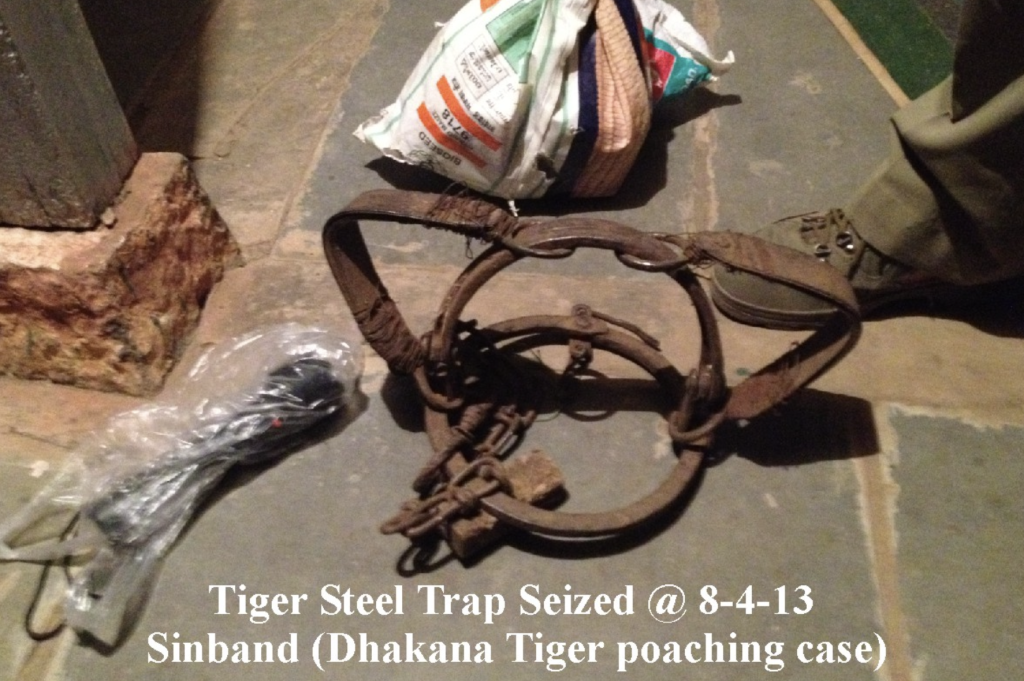
During his tenure in Melghat, IFS Mali investigated a major organised tiger-poaching case that resulted in the arrest of 13 offenders and convictions of nine. Three of them received the maximum seven-year sentence. The case also resulted in important High Court rulings that continue to serve as precedents in wildlife-crime matters.
But for IFS Mali, the significance of the investigation went far beyond one case.
As he explained in an interaction with Indian Masterminds, the investigation began with what initially appeared to be an isolated poaching incident.
How a Single Poaching Case Uncovered a Larger Network
“I investigated a tiger poaching case. I thought it would be an irregular case, but later I found out that there was a lot of racket and many gangs were involved over a bigger area,” Mr Mali said.
The investigation soon revealed that the network was not restricted to Melghat or even Maharashtra. The accused were operating across more than 11 states.
That changed the nature of the investigation. Instead of treating the incident as a standalone wildlife offence, Mali and his team began tracing the wider network through cyber intelligence and mobile data.
“We started tracking them down with the help of cyber data. Wherever we found them in India, we raided them and caught them,” he said.
The operation eventually expanded into multiple cases. Based on information obtained from arrested accused, investigators registered around 19 offences and pursued those connected with them.
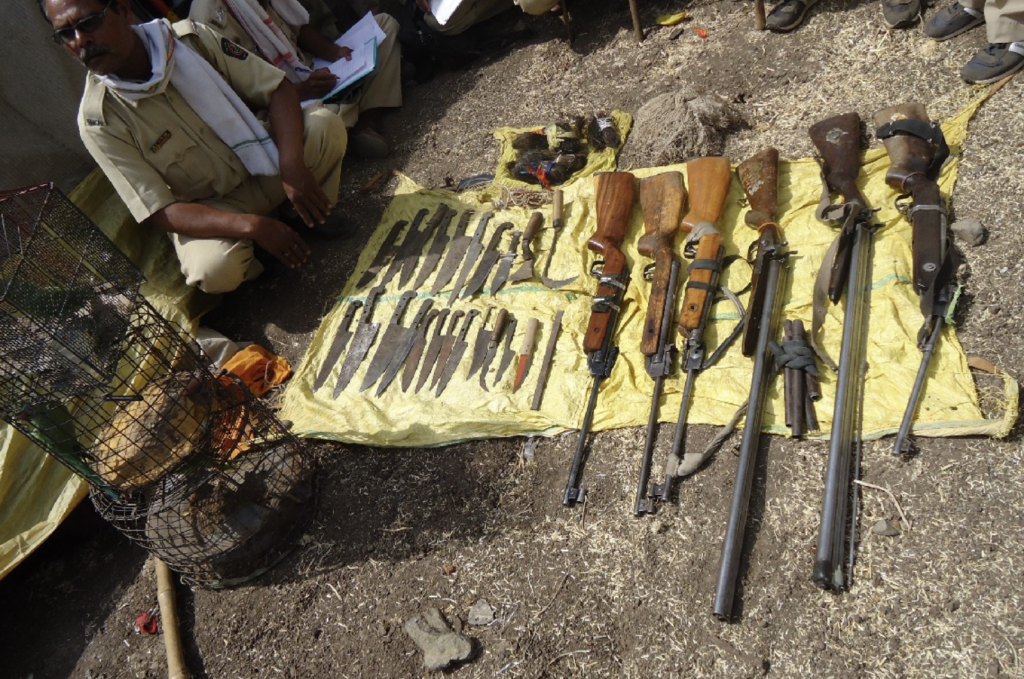
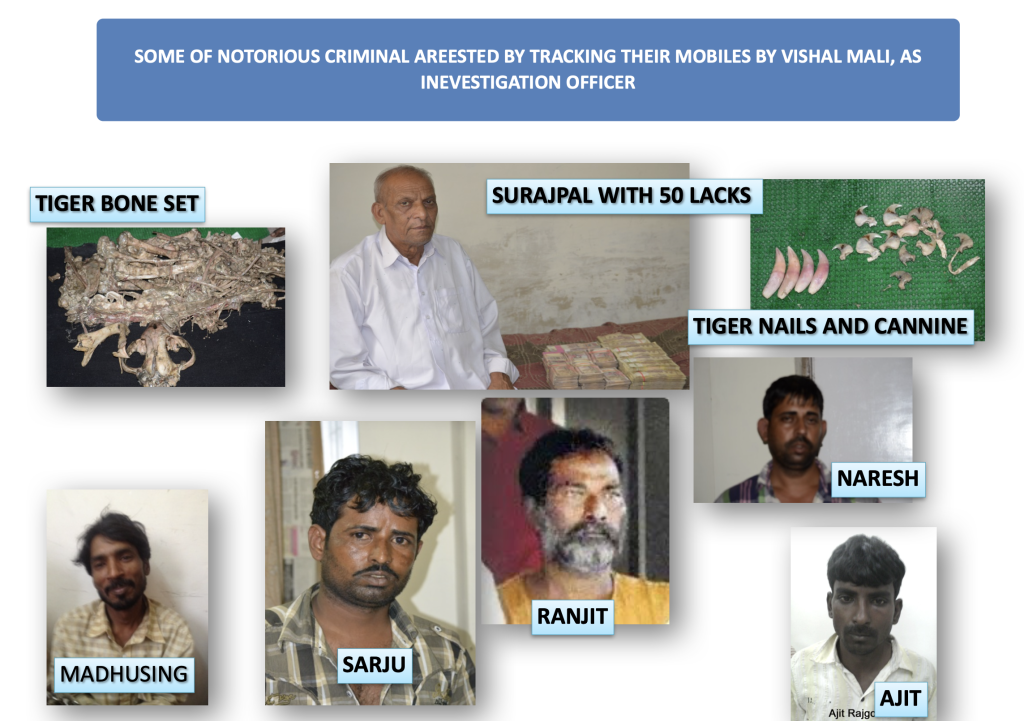
An action team was constituted as part of the Special Investigation Team, with Mali playing a key role in tracking and apprehending suspects. The operations extended across several states and resulted in the arrest of more than 70 poachers and traders in the documented tiger-poaching investigations, while Mali also described wider action in which more than 100 accused were apprehended across Maharashtra.
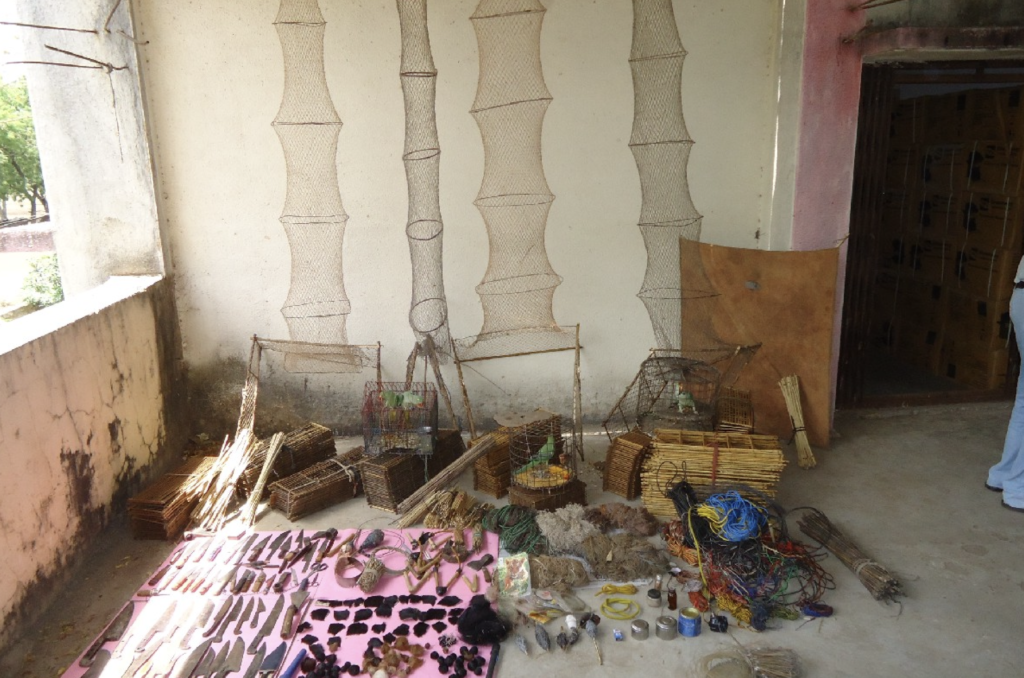
The investigations also led to the seizure of tiger body parts and suspected proceeds of wildlife trade.
Breaking the Evidence Barrier with DNA Forensics
One of the biggest challenges in the Dhakna tiger-poaching case was that investigators did not have the tiger’s body.
The tigress had been killed in the core area of Melghat Tiger Reserve, but by the time investigators received information, the skin and bones had already been removed and moved through the trafficking chain towards China.
This created a major legal hurdle.
“In such cases, generally there is no conviction. But we used DNA forensic,” he explained.
Investigators collected samples from the accused, including material from their nails, and recovered DNA evidence from the place where the poaching had taken place. The two sets of evidence were scientifically connected.
“We were able to combine those two DNAs. It was the DNA of the tiger that was killed,” he said.
The forensic evidence became central to the prosecution. Investigators also used mobile-phone call records to establish links between the accused.
It was a difficult exercise, particularly because the prosecution had to establish the offence without the physical carcass of the tiger.
“We combined forensic and legal procedures. And then, we took the conviction,” he said.
The result was significant. Nine accused were convicted, with three smugglers receiving seven-year sentences and six poachers receiving five-year sentences under the Wildlife Act.
The conviction survived subsequent legal challenges, strengthening its importance as a scientific and legal precedent.
The Wildlife Crime Cyber Cell: Bringing Technology Inside the Forest Department
The investigation also exposed another problem: forest officials often had to depend on police agencies for cyber and call-data analysis.
IFS Mali sought to change that.
“Cyber tracking that we started was also done in the forest department for the first time. Before this, it was done with the help of police. Independently, the forest department did not do it,” he said.
Using provisions under Sections 58 and 59 of the Wildlife Protection Act, the team established a mechanism to obtain relevant data directly from mobile companies.
This eventually led to the establishment of the Wildlife Crime Cell, Amravati.
The objective was not simply to create another office, but to build an institutional capability within the forest department.
The cell was equipped with computers, servers, specialised software and trained personnel capable of analysing cyber data, tracing suspects and assisting investigations.
“We did not only give power. We also taught techniques, developed infrastructure and did a lot of things together, including training,” he said.
Training was extended down to forest guards and foresters, creating a wider pool of personnel capable of supporting technology-driven wildlife investigations.
From One State to a Wider Wildlife-Crime Network
The initiative gradually became a resource for wildlife investigations beyond Amravati.
According to Mali, officials from several states, including Kerala, Telangana, Tamil Nadu and Madhya Pradesh, have benefited from the experience and assistance of the cell.
Today, the Wildlife Crime Cell, Amravati, remains distinctive because it combines legal authority, cyber-investigation capability, infrastructure and trained manpower within the forest department.
The model has also demonstrated its practical value years after its creation.
Mr Mali said the cell played a role in flagging organised tiger-poaching activity in Chandrapur and Gadchiroli in 2023 and again in 2025. Suspicious activity identified through cyber data prompted field verification, which subsequently helped investigators uncover further links to tiger poaching.
The idea, therefore, was not merely to respond after a crime occurred but to use technology to identify suspicious patterns and support preventive action.
Turning Convictions into Stronger Wildlife Law
For Mali, catching offenders was only one part of the battle. Ensuring that cases survived in court was equally important.
“After catching the accused, no one follows up on the cases. So we followed up on it and took India’s fastest conviction in the tiger-poaching case—within one year,” he said.
The prosecution also challenged bail proceedings and pursued the matter through higher courts.
Two important High Court decisions emerged from the cases, becoming significant references in subsequent wildlife-crime matters.
“We did not let anyone get bail. We filed bail matters at the level of the High Court and Supreme Court, and from there we received landmark judgments,” IFS Mali said.
These judgments have since been cited in wildlife cases involving poachers and smugglers, giving the investigation an impact beyond the original offenders.
Technology Beyond Crime Investigation
Mali’s approach was not limited to enforcement.
He also worked on e-governance initiatives aimed at helping field personnel understand and apply wildlife laws. Through an E-SMS facility, wildlife law was made available to field staff in vernacular languages, while an integrated legal software, E-Advocate, was developed to help address legal queries.
GIS technology was also used for the Tiger Security Plan of Melghat Tiger Reserve, including the creation of digitised maps.
The broader objective was to put information, law and technology directly in the hands of frontline conservation personnel.
Conservation with Community Participation
Mali’s conservation approach also recognised that forests cannot be protected through enforcement alone.
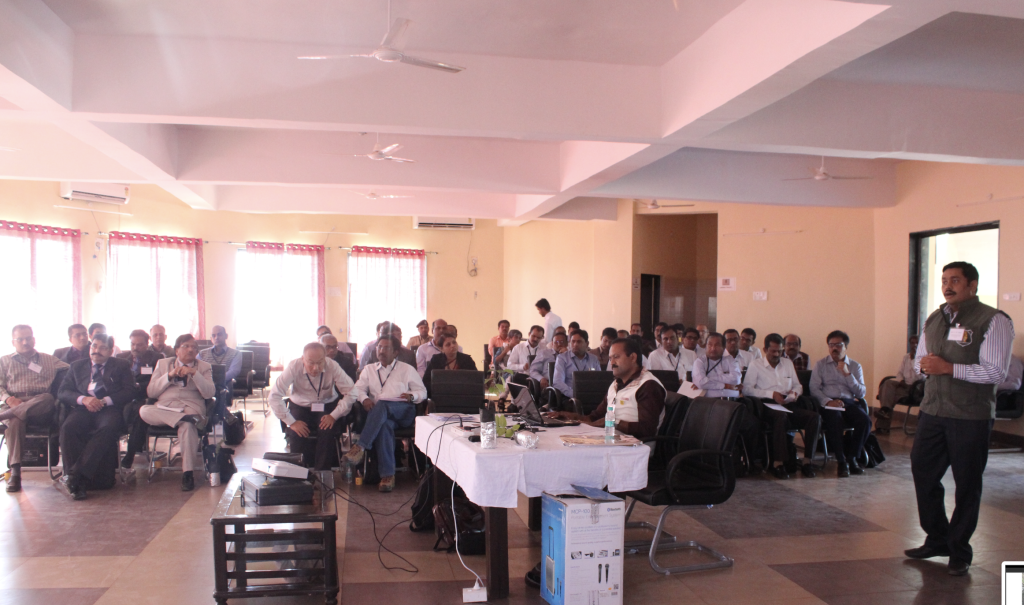
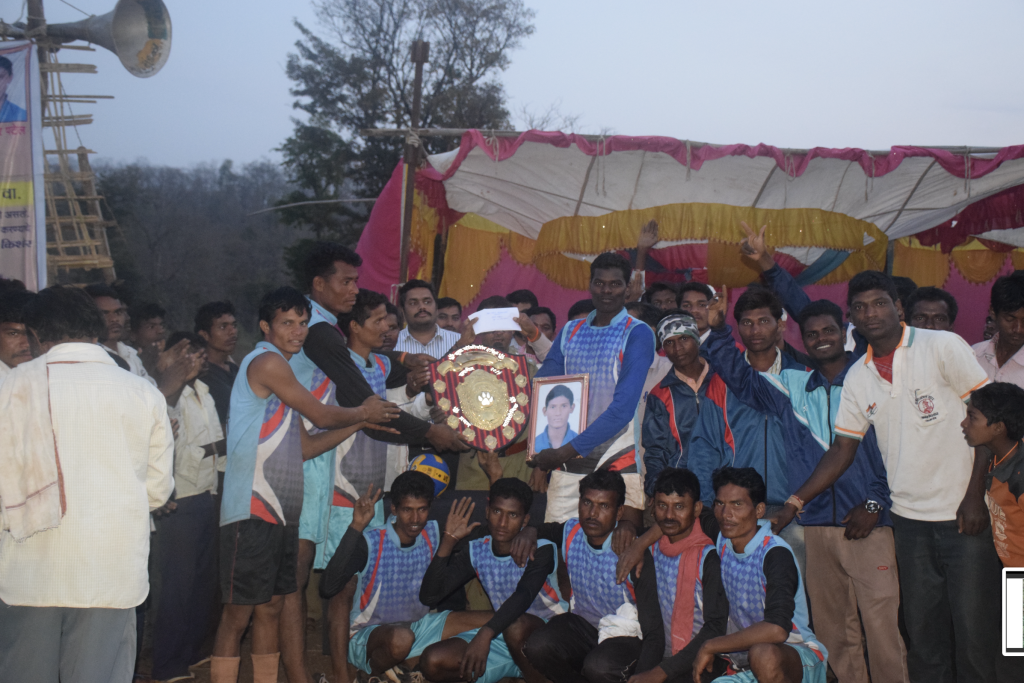
Local participation was encouraged through awareness programmes, workshops and community activities, including volleyball events designed to build engagement with villagers.
In villages such as Borikheda, conservation efforts resulted in measures including removal of forest encroachments, reduced fuelwood consumption and restrictions on grazing.
The approach created a link between conservation and community participation, making local residents stakeholders rather than mere subjects of forest regulations.
A Model Built to Outlast One Officer
Perhaps the most important aspect of Mali’s work is that many of the initiatives were designed as institutions rather than individual achievements.
The tiger-poaching investigation demonstrated how scientific evidence could overcome seemingly insurmountable evidentiary challenges. The Wildlife Crime Cell showed that a forest department could develop its own cyber-investigation capacity. Strong prosecution ensured that arrests translated into convictions, while e-governance and community participation extended conservation beyond traditional enforcement.
For IFS Mali, the underlying lesson is straightforward: wildlife crime has evolved, and conservation enforcement must evolve with it.
From the forests of Melghat to cyber networks spread across states, his journey demonstrates that protecting India’s wildlife increasingly requires the combined strength of fieldcraft, forensic science, digital intelligence, law and community participation.
The fight may begin deep inside a forest, but defeating organised wildlife crime requires following the trail wherever it leads.