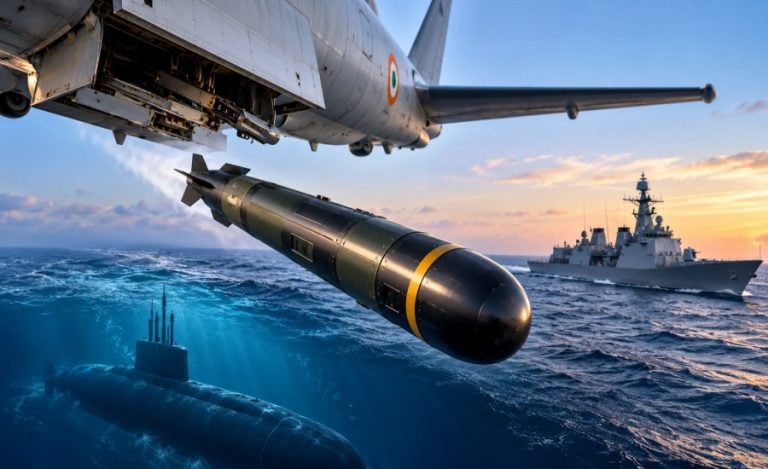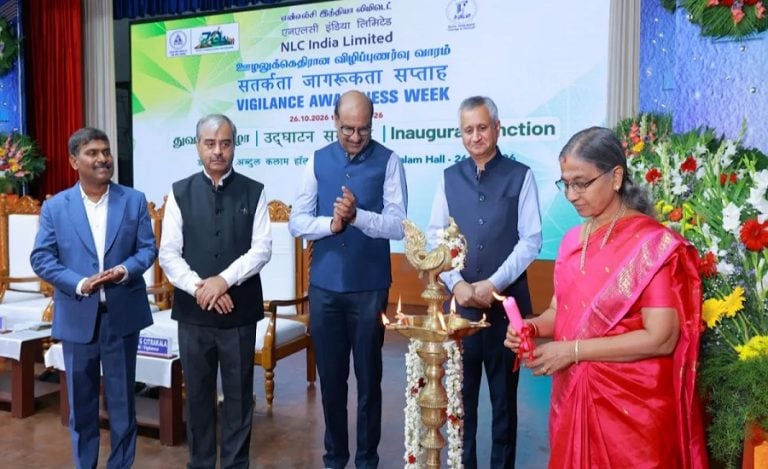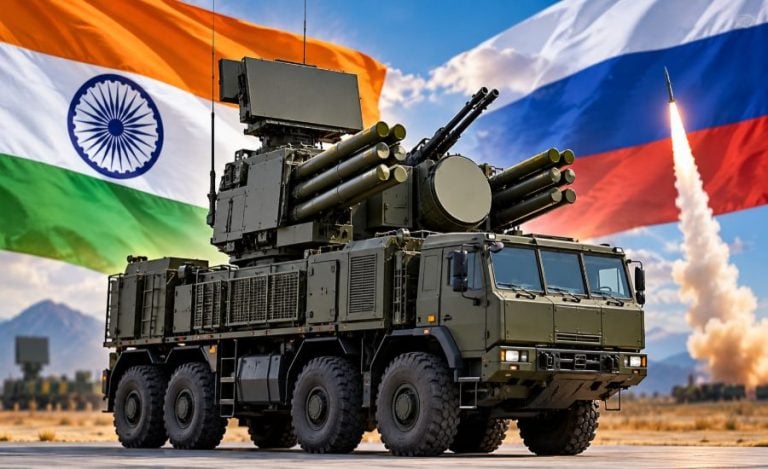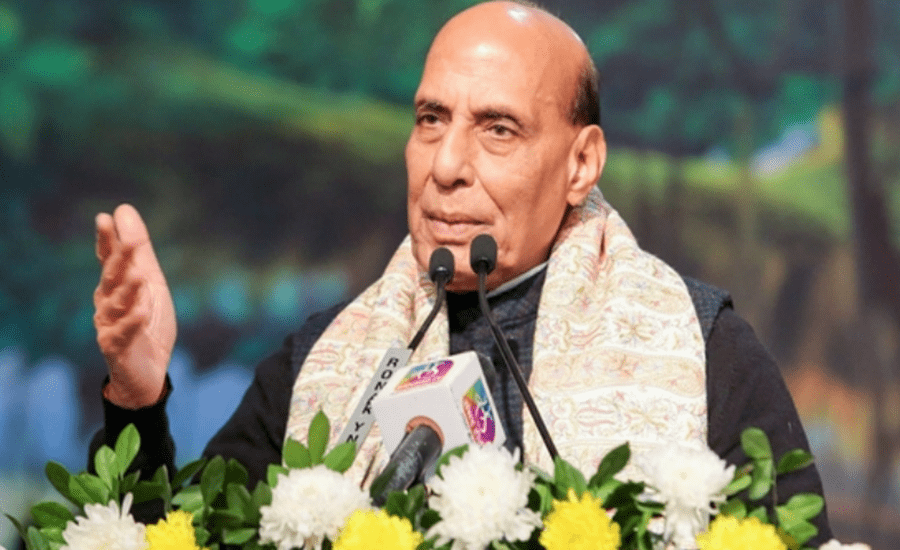
New Delhi: India is preparing for a new phase of defence self-reliance under Aatmanirbharta 2.0, with a strong focus on advanced technology, research and development (R&D), and reducing dependence on foreign imports. Defence Minister Rajnath Singh outlined this vision at the fifth edition of SWAVLAMBAN 2026 in New Delhi on October 26, 2026.
He said India must develop modern defence technologies, strengthen domestic supply chains, and manufacture high-quality military equipment to improve national security and support the goal of Viksit Bharat@2047.
What Is Aatmanirbharta 2.0 In The Defence Sector
Aatmanirbharta means self-reliance. In defence, it means developing and manufacturing military equipment and technologies within India instead of depending heavily on other countries.
The first phase of defence self-reliance helped build a stronger domestic defence industry. Now, Aatmanirbharta 2.0 aims to take India to the next level by focusing on advanced technologies and more difficult research challenges.
The government wants Indian-made defence products to be affordable, effective, technologically advanced, and competitive in the global market.
Rajnath Singh Highlights The Importance Of Research And Development
Rajnath Singh stressed that research and development will play a major role in strengthening India’s defence capabilities. He called for greater investment in advanced technologies and encouraged scientists, start-ups, industries, and researchers to develop new solutions for the armed forces.
The Defence Minister also highlighted the importance of scientific thinking, innovation, and cooperation between industry and educational institutions. He said that young people should receive more opportunities to participate in research and help develop future defence technologies.
What are the Objectives of Atmanirbharta 2.0
Reducing dependence on imported defence equipment and critical materials is a major objective of Aatmanirbharta 2.0.
India needs to identify important technologies and materials that are not sufficiently available within the country. These include certain raw materials, such as rare earth elements, which are used in many advanced technologies. The Defence Minister said India must prioritise areas where domestic production can improve national security.
Developing local alternatives can help India reduce supply risks, improve manufacturing capacity, and maintain military readiness during international disruptions.
Stronger Supply Chains Are A National Security Priority
Rajnath Singh described supply chain management as a strategic issue directly connected to national security.
A supply chain includes the materials, components, factories, and transport systems needed to manufacture and deliver products.
If India depends too heavily on foreign suppliers, international tensions or disruptions could affect the availability of important defence equipment.
To address this challenge, Singh called for a clear, time-bound roadmap that identifies critical technologies, responsible industries, and the resources needed for domestic development.
He also stressed the importance of checking domestic production capacity and maintaining suitable buffer stocks before a crisis occurs.
Focus On Advanced Defence Technologies
Aatmanirbharta 2.0 will place greater emphasis on developing advanced technologies for future military requirements.
At SWAVLAMBAN 2026, discussions covered emerging areas such as artificial intelligence (AI), autonomous systems, quantum technologies, and hypersonic technologies.
These technologies could support future military operations, improve decision-making, and help develop more advanced defence systems.
The seminar also aimed to connect defence start-ups, micro, small and medium enterprises (MSMEs), researchers, and investors to encourage innovation and expand domestic manufacturing.
Dual Technology Roadmap To Support Civilian And Military Needs
The Defence Minister called for a Dual Technology Roadmap to identify technologies that can serve both civilian and military purposes.
This approach can help India use research and investment more efficiently by developing technologies that benefit multiple sectors.
He also highlighted the importance of cooperation among the Army, Navy, Air Force, and Coast Guard wherever common technologies can be used.
Such cooperation could reduce duplication, improve efficiency, and support the wider development of India’s technology industry.
Indian Navy’s SWAVLAMBAN 2026 Supports Defence Innovation
SWAVLAMBAN 2026 is the fifth edition of the Indian Navy’s Naval Innovation and Indigenisation Seminar. The two-day event is being held in New Delhi on October 26 and 27.
The seminar brings together the armed forces, defence industries, start-ups, educational institutions, and investors to discuss indigenous innovation.
The event focuses on connecting the operational needs of the Indian Navy with technology developed by Indian companies and researchers.
It also provides opportunities for promising defence businesses to explore investment, expand production, and bring new technologies closer to practical use.
Read also: From Joint Ventures to Make in India: Defence Minister Rajnath Singh Strengthens India–Czech Ties
FAQs
Rajnath Singh called for Aatmanirbharta 2.0 to strengthen India’s national security, improve technological capabilities, reduce import dependence, and build reliable domestic defence supply chains.
Aatmanirbharta 2.0 is India’s next phase of defence self-reliance. It focuses on advanced technologies, stronger research and development, domestic manufacturing, and reducing dependence on foreign imports.
SWAVLAMBAN 2026 is an Indian Navy seminar that brings together the armed forces, industries, start-ups, researchers, and investors to promote defence innovation and the development of indigenous technologies.