Guwahati: Assam has asked universities across the state to prepare institution-specific roadmaps with clearly defined priorities and timelines to strengthen higher education and align institutions with the changing demands of the knowledge economy.
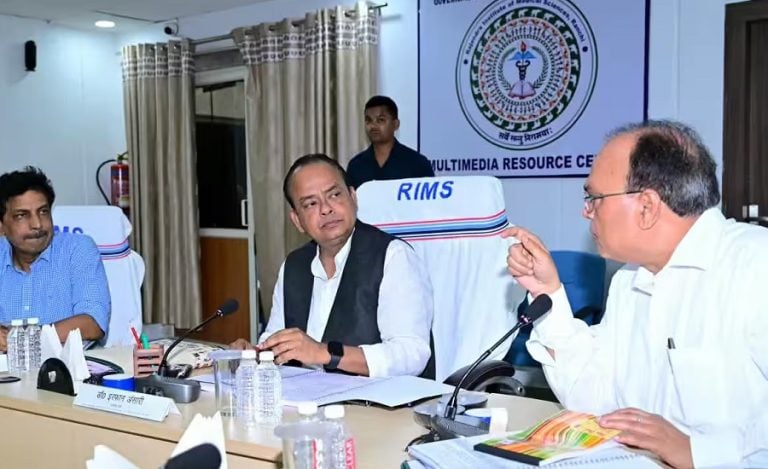
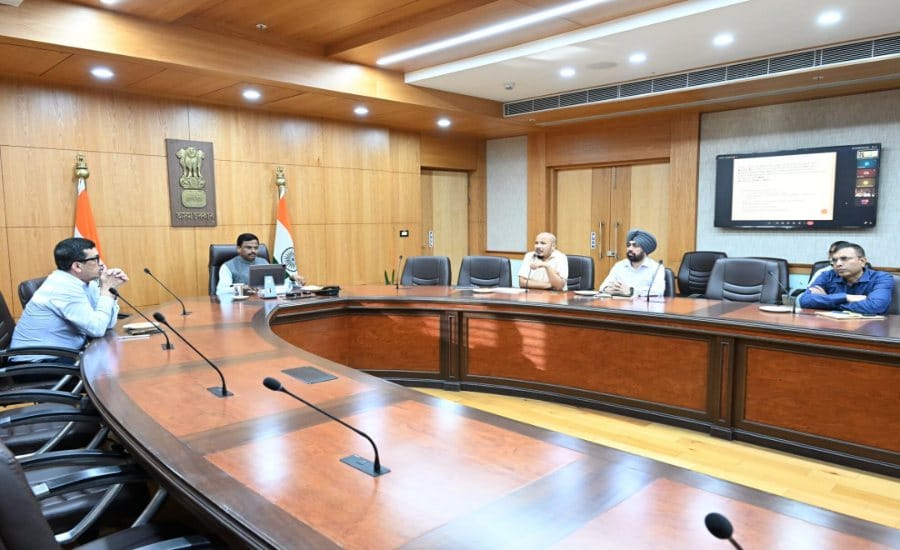
The direction was given by Assam Chief Secretary Ravi Kota, a 1993-batch Indian Administrative Service (IAS) officer of the Assam-Meghalaya cadre, while chairing a meeting with university authorities and senior officials of the Higher Education Department. He stressed the need to advance reforms under the National Education Policy (NEP) 2020 and make higher education more responsive to research, innovation, skills and industry requirements.
The meeting also focused on implementing the 28 Action Points emerging from the 5th National Conference of Chief Secretaries, where higher education was identified as one of the key areas for building a knowledge-driven economy.
Universities to Prepare Institution-Specific Roadmaps
The emphasis on institution-specific roadmaps means universities will need to identify their own priorities rather than follow a uniform approach.
The proposed roadmaps are expected to provide clear timelines and areas of focus, helping institutions translate broader higher education reforms into specific actions.
The approach is in line with the larger national emphasis on implementation roadmaps, measurable outcomes and stronger coordination between states and institutions. The 5th National Conference of Chief Secretaries, held in December 2025, included “Higher Education: Knowledge Economy” among its five major themes.
NEP 2020 Reforms Remain a Major Focus
The Chief Secretary stressed the need to move ahead with reforms under NEP 2020, particularly as higher education faces changing requirements in technology, employment and the knowledge economy.
For universities, this means greater attention to curriculum development, faculty capabilities, research, innovation and skill-based education.
Assam’s Higher Education Department already lists access, equity and quality among its major focus areas and has taken measures related to faculty norms, teacher training and university infrastructure.
The new roadmap-based approach seeks to build on these efforts by giving institutions clearer priorities for the next phase of development.
Read also: J&K DGP Pushes Technology-Enabled Policing, Reviews Kashmir Security Preparedness
Research and Innovation to Get Greater Attention
Another key area discussed at the meeting was strengthening research and innovation within universities.
Kota emphasised the need for institutions to develop stronger research capabilities and create an environment where students and faculty can work on new ideas and solutions.
This could also help universities contribute more directly to Assam’s wider economic and social priorities. Instead of limiting higher education to classroom-based learning, the reform focus places universities closer to research, innovation and problem-solving.
The state’s Higher Education Department already maintains dedicated initiatives related to research and innovation, while its university portfolio includes institutions such as Gauhati University, Dibrugarh University, Assam Science and Technology University, Bodoland University and several newer state universities.
Stronger Industry-Academia Partnerships
The meeting also highlighted the need to improve industry-academia partnerships.
Stronger collaboration between universities and industry can help institutions understand changing workforce requirements and make academic programmes more relevant to emerging sectors.
For students, such partnerships can create opportunities for practical exposure, internships, applied research and industry-oriented learning.
The focus is particularly relevant as Assam seeks to strengthen its transition towards a knowledge-based economy, where higher education institutions are expected to contribute not only through degree programmes but also through research, innovation and skilled human resources.
Skill-Based Learning and Future-Ready Courses
Skill development was another major component of the proposed higher education reforms.
The Chief Secretary called for greater opportunities for skill-based learning, along with curricula that can prepare students for a rapidly changing employment landscape.
Universities will also need to accelerate the development of future-ready curricula that respond to technological and economic changes.
The aim is to make academic learning more closely connected with the skills students need after graduation, while allowing institutions to adapt their programmes to emerging areas of employment and entrepreneurship.
Digital Transformation of Universities
Digital transformation was also identified as an important part of the next phase of reforms.
Universities are expected to strengthen the use of digital tools in teaching, learning and institutional processes. This can include improved digital learning resources, technology-enabled classrooms, online academic services and greater use of digital platforms.
The push comes as higher education increasingly depends on technology for teaching, research, collaboration and access to academic resources.
For students, stronger digital infrastructure can also expand access to learning beyond traditional classroom settings.
Connecting Higher Education With Assam’s Growth
The broader objective of the roadmap exercise is to ensure that universities contribute meaningfully to Assam’s transition towards a knowledge-driven economy.
That will require higher education institutions to connect academic programmes with research, innovation, industry requirements and emerging skills.
The approach also reflects the national focus on linking higher education with future-ready skills, productive employment, entrepreneurship and broader human development.
For Assam, the next step will be turning these priorities into institution-level plans with measurable timelines and implementation mechanisms. If universities are able to translate the roadmap into concrete reforms, the exercise could influence how students are trained, how research is conducted and how institutions engage with industry and the wider economy.
The state’s higher education system already includes a growing network of universities and institutions. The roadmap exercise now places greater emphasis on giving these institutions clearly defined development priorities while aligning them with the changing needs of students, employers and the knowledge economy.
Read also: Goa DGP Orders Swift Action as Fake Call Centres Resurface Across State