New Delhi: Industry body ASSOCHAM has welcomed the diplomatic breakthrough between the United States and Iran aimed at ensuring safe commercial shipping through the Strait of Hormuz, stating that the development could significantly benefit India by easing global crude oil prices. The chamber said lower oil prices would help reduce inflation, strengthen the rupee, improve India’s balance of payments and lower costs across key sectors of the economy.
The Associated Chambers of Commerce and Industry of India (ASSOCHAM) has hailed the recent diplomatic understanding reached between the United States and Iran in Switzerland to safeguard commercial shipping through the strategically important Strait of Hormuz.
According to the industry body, the agreement has the potential to restore stability in global energy markets and trigger a sustained decline in crude oil prices, creating significant economic benefits for India, one of the world’s largest crude oil importers.
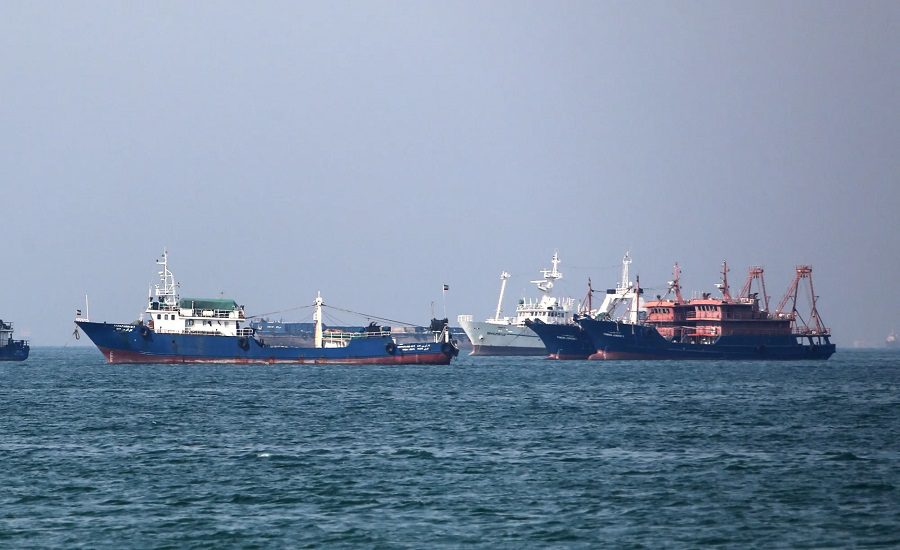
Strait of Hormuz: A Critical Global Energy Chokepoint
The Strait of Hormuz remains one of the most important maritime routes in the world, carrying nearly 20 per cent of global petroleum supplies. In recent months, geopolitical tensions surrounding the region had raised concerns over potential disruptions to oil shipments, resulting in increased volatility in global energy markets and upward pressure on crude prices.
The latest diplomatic breakthrough is expected to reduce these risks and improve confidence in global energy supply chains. Welcoming the development, ASSOCHAM President Nirmal K. Minda described the agreement as a positive step toward stabilising international energy markets.
“This is an extremely positive development for India. As one of the world’s largest importers of crude oil, India stands to benefit enormously from any sustained reduction in global oil prices,” Minda said.
Read also: PFRDA Launches AI-Powered Pension Sahayak to Revolutionise Pension Grievance Redressal
Lower Oil Prices to Reduce Costs Across Sectors
ASSOCHAM noted that crude oil prices have a direct impact on a wide range of economic activities in India.
According to President Nirmal K. Minda, lower crude prices can significantly reduce input costs across sectors including:
- Manufacturing
- Logistics and transportation
- Agriculture
- Retail trade
- Energy-intensive industries
Reduced fuel costs can improve profitability, enhance competitiveness and support economic expansion across the value chain. The chamber said cheaper energy prices could also lower production and distribution costs, eventually benefiting consumers.
Relief for India’s Import Bill and Current Account Deficit
Highlighting the impact on India’s external sector, ASSOCHAM Secretary General Saurabh Sanyal said crude oil imports account for a substantial portion of the country’s total import expenditure.
A sustained decline in crude prices, he said, would help reduce India’s import bill and improve macroeconomic stability.
“Lower oil import costs would help reduce India’s import bill, improve the balance of payments position and strengthen overall external sector stability,” Sanyal said.
Lower oil import costs would also reduce India’s current account deficit and improve foreign exchange management.
Positive Impact on the Indian Rupee
ASSOCHAM further noted that reduced spending on crude imports could ease pressure on foreign exchange reserves and support currency stability. As demand for dollars declines to finance oil imports, the Indian rupee could benefit from improved market sentiment.
According to Sanyal:
“Lower demand for foreign exchange to finance oil imports will ease pressure on the Indian rupee, supporting currency stability and enhancing investor confidence in Indian financial markets.”
Lower Fuel Costs Could Help Control Inflation
ASSOCHAM Chief Economist Dr. S. P. Sharma emphasized the broader macroeconomic advantages of declining crude prices.
He noted that fuel and transportation costs influence prices across multiple sectors, making energy prices a key driver of inflation.
“Lower crude prices would directly reduce fuel and transportation costs, helping moderate inflationary pressures across supply chains,” Sharma said.
Lower inflation can also improve consumer purchasing power and create a more favourable environment for economic growth.
Fiscal Benefits for the Government
The industry chamber also highlighted the potential fiscal advantages for the government. According to ASSOCHAM, lower oil prices can reduce expenditure related to fuel subsidies and other energy-related support measures.
Dr. Sharma said such savings could create additional fiscal space for development initiatives.
“Lower energy costs provide additional fiscal headroom for the government. Savings arising from reduced fuel subsidy burdens can be redirected toward infrastructure development and social welfare programmes.”
Opportunity for Businesses to Expand and Improve Competitiveness
ASSOCHAM urged Indian businesses to use the period of lower energy prices strategically.
The chamber recommended that companies focus on:
- Capacity expansion
- Operational efficiency improvements
- Cost optimisation
- Export competitiveness enhancement
- Technology adoption
With energy costs representing a major component of operating expenses for many industries, lower crude prices could provide an opportunity to improve margins and accelerate growth plans.
Call for Timely Pass-Through of Benefits
The industry body also called on policymakers to ensure that the benefits arising from lower global oil prices are transmitted effectively to consumers and businesses.
ASSOCHAM stressed the importance of a transparent mechanism that allows reductions in global crude prices to translate into lower domestic costs wherever feasible. The chamber believes that broader dissemination of these benefits can stimulate consumption, support industry and strengthen overall economic activity.
ASSOCHAM to Monitor Global Energy Developments
While welcoming the diplomatic breakthrough, ASSOCHAM said it would continue to closely monitor developments in global energy markets.
The chamber reiterated its commitment to engaging with policymakers and industry stakeholders to ensure India maximises the economic gains emerging from greater stability in the Strait of Hormuz and international oil markets.
Outlook Remains Positive
The agreement between the United States and Iran to facilitate safe commercial shipping through the Strait of Hormuz has been viewed by ASSOCHAM as a significant positive development for India.
With potential benefits ranging from lower inflation and reduced import costs to improved fiscal flexibility and stronger currency stability, the industry body believes falling crude oil prices could provide a meaningful boost to India’s economic growth prospects in the coming months.
Read also: India Economy Resilient: GDP Growth to Remain Above 7% Amid $90–100 Crude, Says ASSOCHAM