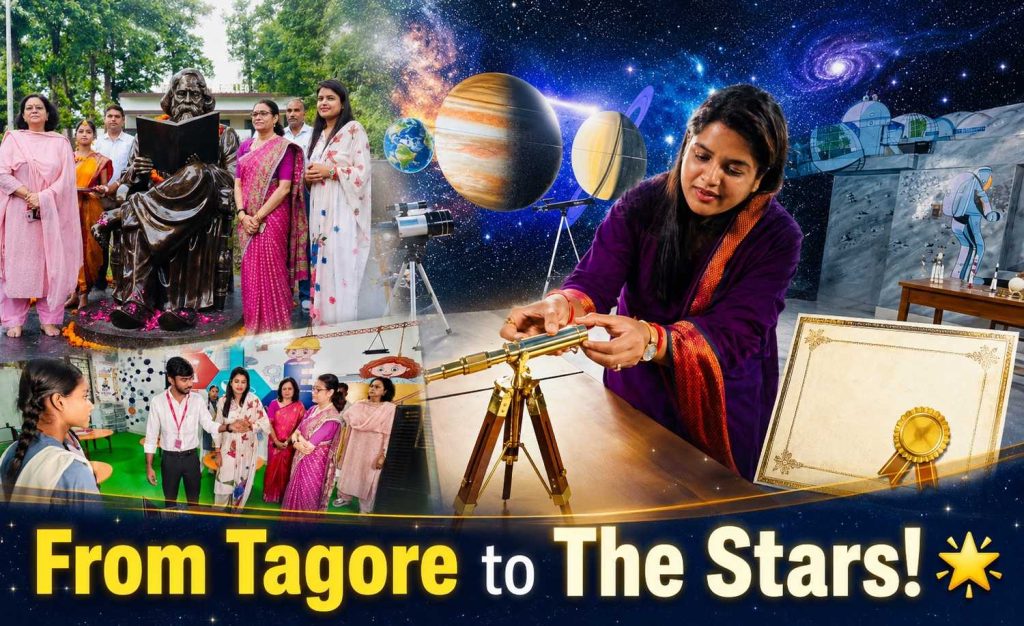
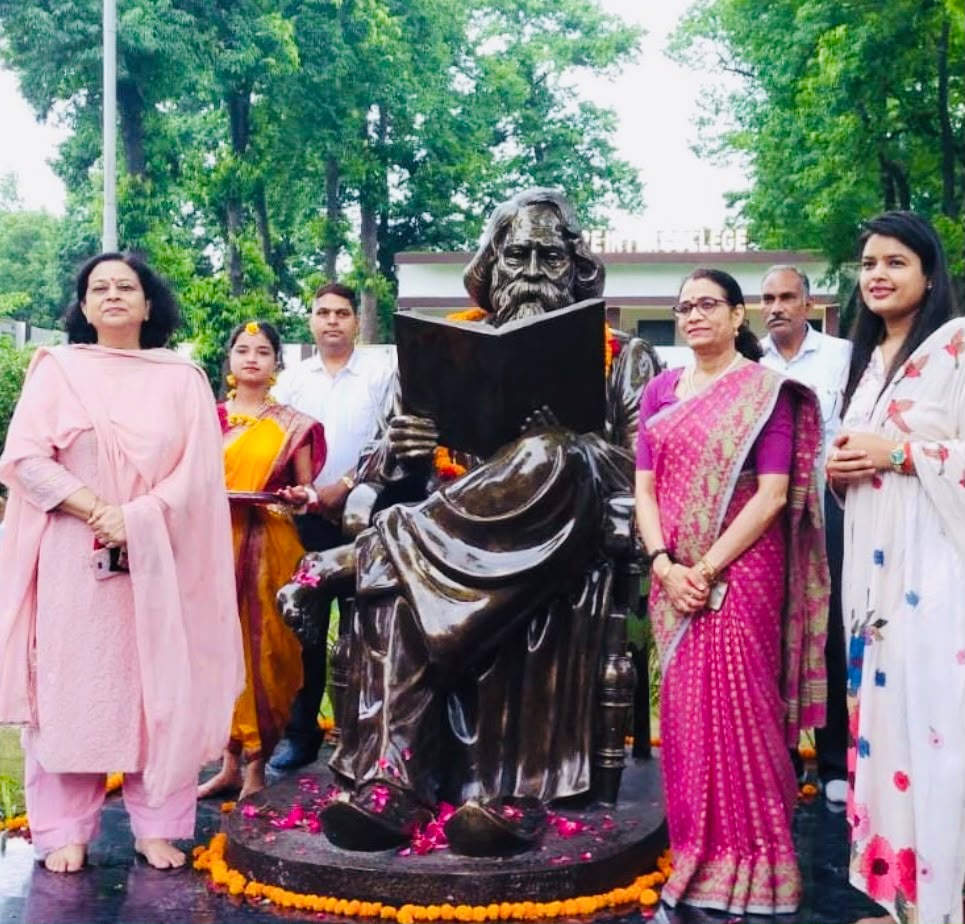
Bareilly, UP: In a remarkable move to nurture scientific curiosity, strengthen education infrastructure, and inspire young minds to explore beyond conventional classrooms, Bareilly Cantonment has launched two meaningful initiatives – the unveiling of a statue of Nobel Laureate Gurudev Rabindranath Tagore and the inauguration of a state-of-the-art Astronomy Laboratory at R.N. Tagore Inter College, Bareilly Cantonment, Uttar Pradesh. The initiatives represent a unique blend of India’s rich intellectual heritage and its growing aspirations in science, technology, and space exploration.
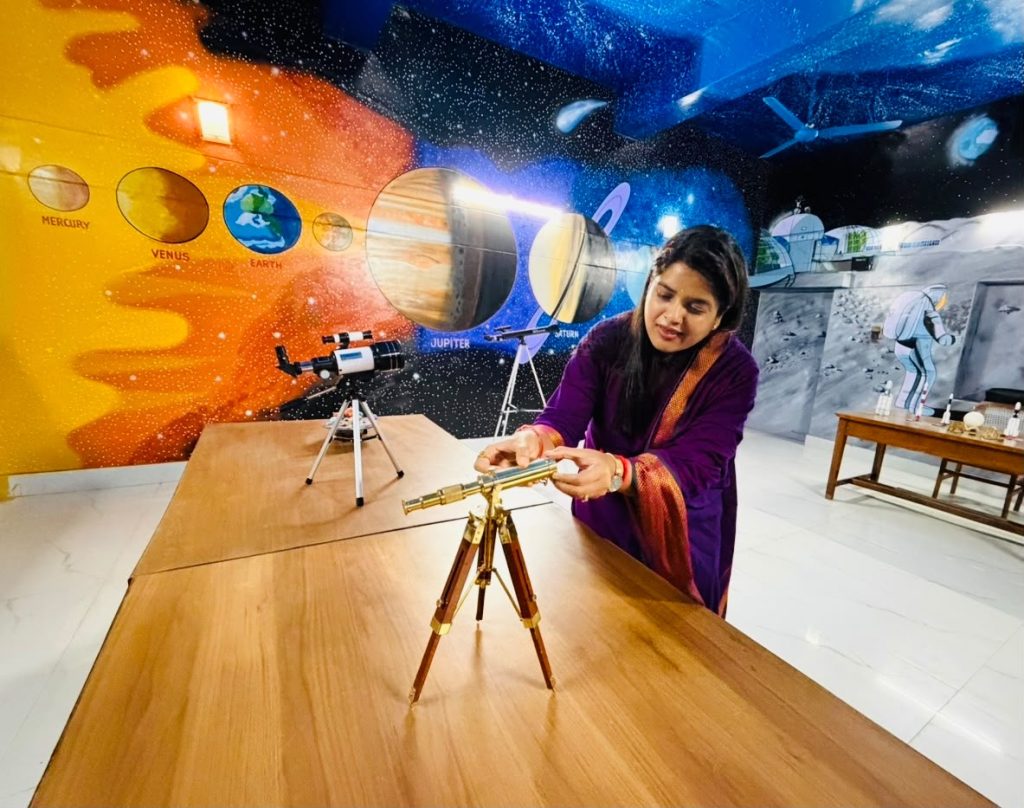
The newly established astronomy facility is aimed at taking students closer to the wonders of the universe by providing hands-on exposure to astronomy, space science, and observational learning. Designed to encourage innovation, critical thinking, and research-oriented education, the laboratory reflects a vision of creating future-ready students equipped with scientific temper and curiosity.
Explaining the idea behind the initiative, Dr. Tanu Jain, a 2024 batch Indian Defence Estates Service (IDES) officer and Chief Executive Officer of Cantonment Board Bareilly, said that the primary objective was to create more opportunities for children to develop an interest in science and exploration.
Speaking with Indian Masterminds, Dr. Jain said, “I sent a message to the Chief Minister about the project we are working on. This is an important step towards increasing the participation of children in the scientific field. Providing such opportunities to students is something we should continuously work towards.”
How It Started: A Vision to Bring Scientific Exposure to Classrooms
The initiative was conceptualised with the aim of transforming traditional learning spaces into centres of innovation and discovery. Recognising that early exposure to scientific concepts can shape the thinking of young learners, the Bareilly Cantonment Board focused on introducing facilities that encourage experimentation, observation, and practical understanding.
The Astronomy Laboratory at R.N. Tagore Inter College was developed as a platform where students can go beyond textbook learning and explore concepts related to astronomy, planets, stars, space missions, and scientific phenomena through direct observation and interactive learning.
Alongside the astronomy facility, the installation of the statue of Gurudev Rabindranath Tagore adds a cultural and inspirational dimension to the institution. Tagore’s lifelong commitment to education, creativity, and intellectual freedom continues to inspire generations, making his presence on the campus a symbol of knowledge and imagination.
Implementation: Turning an Idea into a Future-Ready Learning Facility
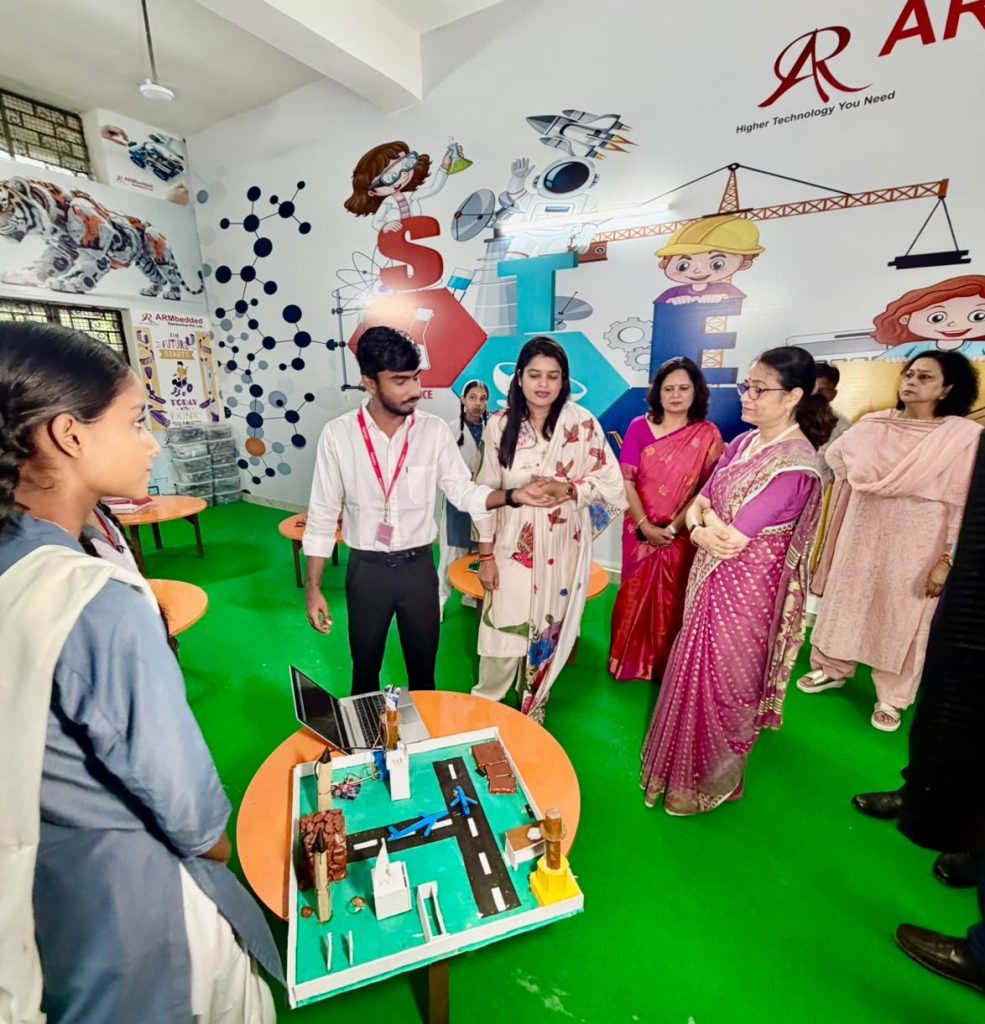
The Astronomy Laboratory has been established as a modern educational facility equipped to introduce students to the fundamentals of astronomy and space science. Through practical demonstrations and observational activities, students will gain a deeper understanding of scientific concepts and develop analytical skills.
The initiative is aligned with the broader national focus on strengthening scientific temper among young Indians. It echoes the vision highlighted by Prime Minister Shri Narendra Modi during the 134th episode of Mann Ki Baat, where he spoke about the increasing enthusiasm among India’s youth towards astronomy and space science and the importance of encouraging curiosity-driven learning.
The laboratory at R.N. Tagore Inter College reflects this vision by bringing advanced scientific learning opportunities closer to students and enabling them to engage with emerging fields from an early stage.
Officer’s Vision: Building Curiosity, Innovation and Confidence Among Students
Dr. Tanu Jain believes that education must evolve beyond classroom boundaries and provide children with opportunities to explore, question, and innovate.
“The scientific mindset develops when children get the right environment and resources. Such initiatives can motivate students to look at science not just as a subject but as a field of possibilities,” she shared.
Under her leadership, the Bareilly Cantonment Board has undertaken several initiatives aimed at improving educational facilities, promoting environmental sustainability, strengthening digital innovation, enhancing public health and sanitation, and implementing citizen-centric development projects.
Impact: Creating a Model for Progressive Cantonment Development
The unveiling ceremony was attended by Smt. Shobha Gupta, Director General Defence Estates, New Delhi, and Smt. Bhavana Singh, Principal Director Defence Estates, Central Command, Lucknow, who inaugurated the statue and the astronomy facility.
Addressing the gathering, the dignitaries appreciated the transformative initiatives undertaken under the leadership of Dr. Tanu Jain. They highlighted that Bareilly Cantonment’s efforts in modernising educational infrastructure and promoting innovation have set an example for other cantonments across the country.
They observed that the establishment of the Astronomy Laboratory, along with continuous investments in education, sustainability, technology, and public services, reflects a progressive approach towards creating institutions that combine academic excellence with scientific inquiry.
A Step Towards Viksit Bharat 2047
The event also witnessed the participation of Shri Pushpendra, Director, Defence Estates, Central Command, Lucknow; Shri Mahesh Chandra Saini; nominated member Dr. Vaibhav Jaiswal; members of the school fraternity; officers and staff of Bareilly Cantonment Board; and distinguished citizens.
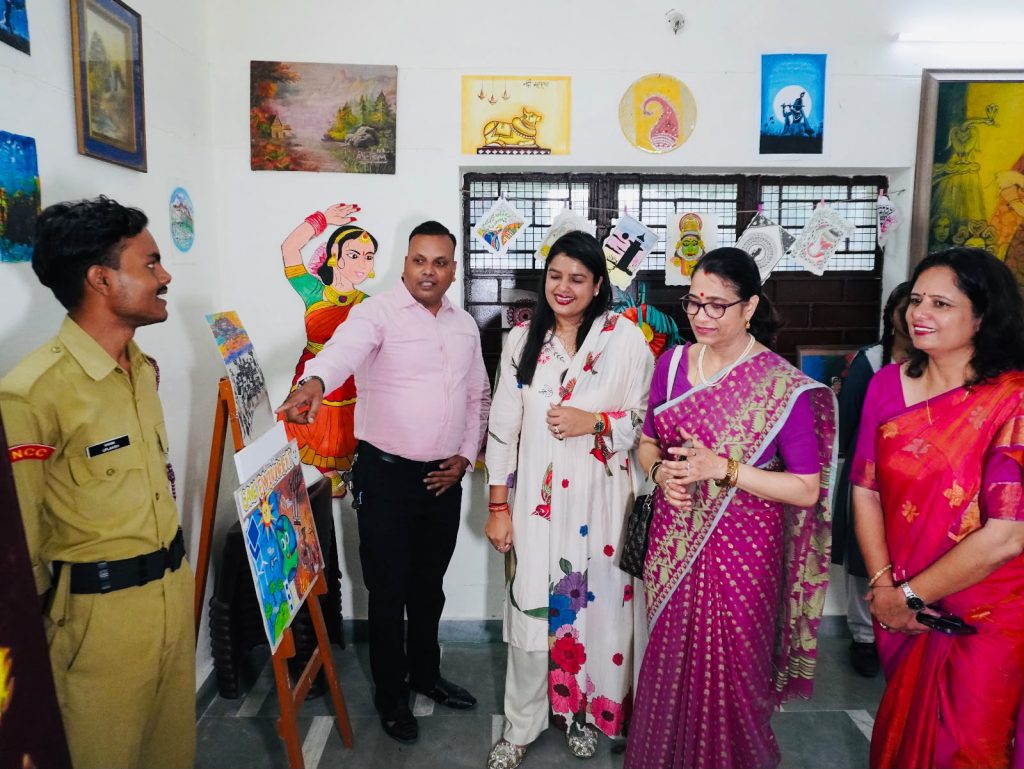
The dignitaries interacted with students and emphasised the importance of quality education, innovation, and scientific thinking in shaping responsible citizens.
The initiatives at R.N. Tagore Inter College stand as a reflection of a larger mission – empowering young learners with knowledge, imagination, and scientific curiosity. By combining the inspirational legacy of Rabindranath Tagore with modern scientific education, Bareilly Cantonment has created a learning environment that prepares students not only for today’s challenges but also for India’s vision of a developed nation by 2047.