Patna: More than 50,000 JEEViKA Didis in Bihar are turning stitching skills into a growing source of livelihood, having collectively stitched over 90 lakh dresses for children in Scheduled Caste and Scheduled Tribe residential schools and Anganwadi centres.
The initiative, supported by the Rural Development Department through JEEViKA-Bihar Rural Livelihoods Promotion Society (BRLPS), has also recorded a sharp rise in business turnover. From just ₹19 lakh in 2023-24, the stitching enterprise generated a turnover of ₹126 crore in 2026-27 alone.
The growth highlights how government-linked livelihood initiatives can connect rural women directly with institutional demand while creating regular income opportunities close to their homes.
From Employment Initiative to ₹126 Crore Enterprise
The stitching programme began with an effort to create sustainable employment for women associated with JEEViKA.
The Rural Development Department, in collaboration with JEEViKA-Bihar Rural Livelihoods Promotion Society, established Janki JEEViKA Mahila Stitching Producer Company Limited (Janki PC) to organise and expand stitching-related livelihood opportunities.
Under the company’s guidance, around 50,000 JEEViKA Didis received responsibility for stitching dresses for children studying in Scheduled Caste and Scheduled Tribe residential schools and attending Anganwadi centres.
According to the Rural Development Department, the initiative recorded a turnover of only ₹19 lakh during 2023-24. The sustained participation and work of the women have since helped the business grow into a large-scale stitching operation.
Read Also: Bihar Launches AIIMS Patna-BPNI Training to Strengthen Breastfeeding Support
Over 90 Lakh Dresses Stitched So Far
The scale of production shows the growing role of rural women in meeting public-sector requirements.
More than 90 lakh dresses have been stitched so far for children in Scheduled Caste and Scheduled Tribe residential schools and Anganwadi centres.
The business recorded another major milestone in 2026-27, when dress stitching generated ₹126 crore in turnover.
This growth has created an organised livelihood model in which women can use their existing stitching skills to undertake larger institutional orders.
For children, the initiative also supports the supply of quality and attractive dresses through a locally organised production network.
Regular Income for Rural Women
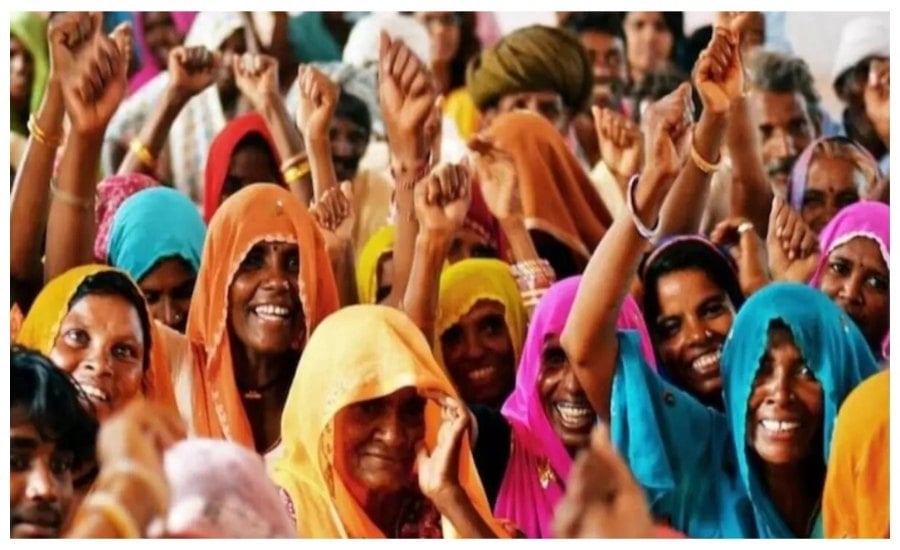
For JEEViKA Didis, the programme is about more than stitching orders. It has created an avenue for regular income and greater economic independence without requiring women to move away from their villages.
The model also changes how government-linked orders benefit local communities. Instead of such work flowing to businesses or intermediaries outside Bihar, the stitching activity directly involves rural families within the state.
This means a larger share of the economic activity remains connected to local households, supporting Bihar’s rural economy.
The initiative therefore links livelihood generation with public welfare delivery, allowing rural women to participate directly in supplying essential items for children.
Skills Beyond Stitching
The organised nature of the work has also helped women develop skills that extend beyond tailoring.
Participation in a structured producer company has given JEEViKA Didis exposure to areas such as business management, financial literacy and leadership.
Managing larger orders and working within an organised production system can help women understand costs, payments, production requirements and business responsibilities.
For many rural women, such experience can strengthen their confidence to participate in other economic activities and take greater control over household finances.
JEEViKA Women at the Centre of Rural Economic Growth
The Rural Development Department has described the stitching initiative as an important step towards strengthening the economic position of women in rural Bihar.
Rural Development and Information & Public Relations Minister Shravan Kumar said the achievement reflects the wider contribution of JEEViKA women to Bihar’s development.
“JEEViKA Didis are no longer merely supporting their families; they have also become a backbone of Bihar’s progress.”
He said that when rural women become self-reliant through their skills, the benefits extend beyond individual households and contribute to the confidence and aspirations of their children and communities.
Kumar also highlighted that the stitching initiative has helped reduce the role of middlemen while bringing economic benefits and greater self-respect directly to rural families.
A Larger Livelihood Model for Bihar
The progress of Janki PC shows how organised rural enterprises can combine livelihood creation with government procurement and public welfare requirements.
The movement from ₹19 lakh in turnover in 2023-24 to ₹126 crore in 2026-27 reflects the scale that such women-led enterprises can achieve when they receive structured opportunities and institutional support.
With more than 90 lakh dresses already stitched, JEEViKA Didis are becoming an important part of Bihar’s local production ecosystem.
The initiative also demonstrates the wider development value of connecting women’s skills with government programmes: it creates employment, strengthens household incomes, builds business capabilities and keeps economic activity closer to rural communities.
For Bihar, the stitching programme represents more than a successful enterprise. It is an example of how women-led livelihood initiatives can contribute simultaneously to rural employment, economic self-reliance and public welfare delivery.
Read Also: Bihar Signs UAE Partnership to Develop Food Processing Park, Attract Global Investment