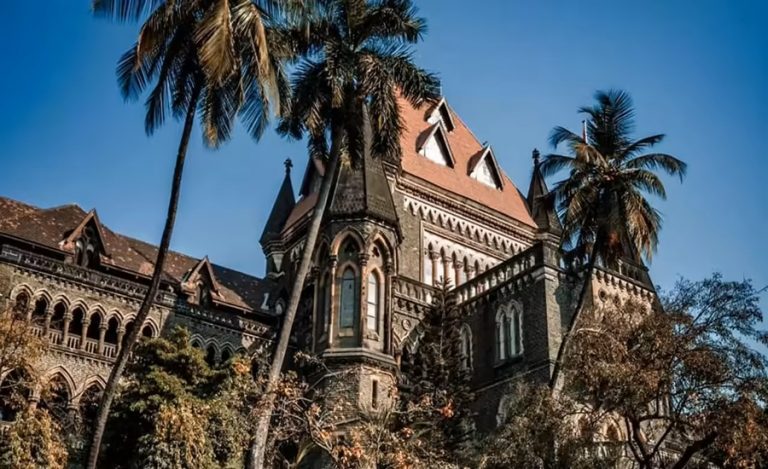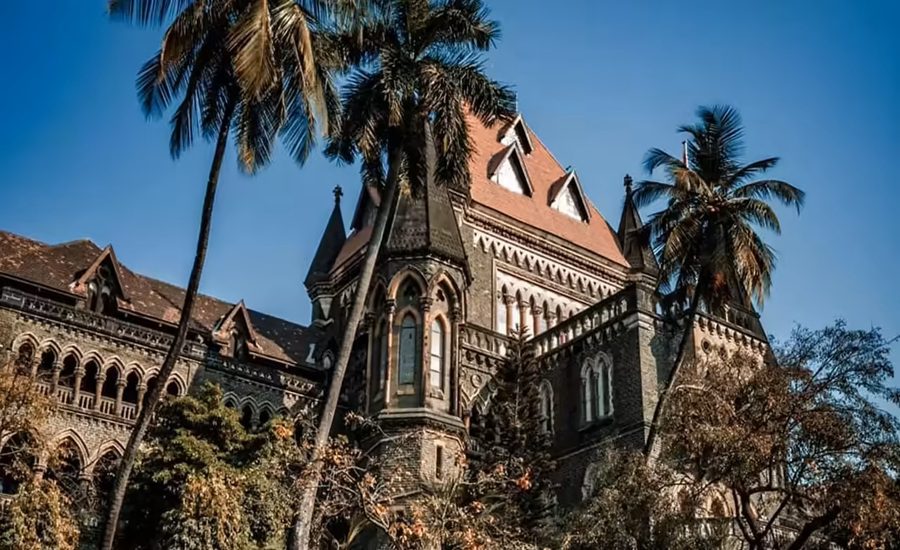
New Delhi: The Bombay High Court Form 8 ruling has clarified that the Election Commission of India (ECI) cannot refuse applications for a change of address during the Special Intensive Revision (SIR) of electoral rolls. The Court ruled that existing voters must be allowed to use Form 8 instead of being forced to submit Form 6, which is meant for first-time voter registration.
The decision protects the voting rights of citizens who change their residence and ensures that their names are not removed from electoral rolls without following the law.
Voter List Update Row: Bombay High Court Orders Restoration Of Six Voters’ Names
On November 5, 2026, the Bombay High Court directed the Election Commission of India to restore the names of six members of the Salgaonkar family to the electoral roll in Goa.
Read also: Why Are 42 Former Judges Supporting The Election Commission In India?
The case was heard by a division bench of Justice Valmiki Menezes and Justice Amit Jamsandekar.
The family members were registered voters in the Santa Cruz Assembly constituency. They had shifted their residence from Part 29 to Part 25 of the same constituency.
They submitted Form 8 to update their residential address. However, their names were removed from the earlier electoral roll and were not included in the new draft voter list.
The Electoral Registration Officer (ERO) later rejected their applications and asked them to submit Form 6 as fresh applicants. The family challenged this decision before the Bombay High Court.
Why Form 8 Was Important In This Voter List Update Row
Form 8 is an official application used by existing voters to change their address, correct personal details or replace their voter identity card.
On the other hand, Form 6 is meant for people who want to register as voters for the first time.
The Court explained that existing voters who change their residence cannot be treated as new voters simply because they have moved to another location.
The judges also observed that Form 6 requires applicants to declare that their names are not already included in any electoral roll. Therefore, asking an existing voter to submit Form 6 could force that person to make a false declaration.
ECI Cannot Suspend Form 8 During Special Intensive Revision
The Election Commission argued that Form 8 applications could not be processed during the SIR exercise because the electoral roll was being prepared afresh. However, the High Court rejected this argument.
The Bench explained that the Special Intensive Revision process does not suspend the legal provisions governing changes and corrections in electoral rolls.
The Court referred to Section 22 of the Representation of the People Act, 1950, and Rule 13 of the Registration of Electors Rules, 1960. These provisions allow existing voters to request changes in their electoral records.
The judges clarified that Electoral Registration Officers must consider Form 8 applications even when an intensive or summary revision of electoral rolls is underway.
Court Says Voters Cannot Be Forced To Make False Declarations
The High Court also raised concerns about the declarations required in Form 6 and the pre-filled enumeration form used during the SIR process.
The Bench observed that the petitioners had already changed their residential address. Therefore, they could not truthfully declare that they were still living at their previous address.
Similarly, they could not declare that they were applying for voter registration for the first time when their names had already existed in the electoral roll.
The Court stated that forcing citizens to make such declarations could expose them to legal action under Section 31 of the Representation of the People Act, 1950. The judges made it clear that citizens should not be forced to submit incorrect information to maintain their voting rights.
Voter List Update Row: ERO Must Provide A Hearing Before Removing Voters’ Names
The Court also examined the procedure followed by the Electoral Registration Officer. Under Section 22 of the Representation of the People Act, 1950, an ERO must provide a reasonable opportunity of hearing before deleting an existing voter’s name in the circumstances covered by the provision.
The Bench also referred to Rule 21A of the Registration of Electors Rules, 1960. This rule requires the electoral authorities to give affected voters an opportunity to explain their position before taking certain deletion-related actions.
The Court found that the petitioners’ Form 8 applications had been rejected without giving them a proper hearing.
It held that removing their names without following the required legal procedure could deny them their constitutional and democratic right to participate in elections.
Background of the Voter List Update Row
The six members of the Salgaonkar family had been voting in the Santa Cruz constituency of Goa since 1995. Before the SIR exercise began in November 2025, they shifted from Part 29 to Part 25 of the same constituency.
On November 12, 2025, they approached the Booth Level Officer (BLO) at their new address to update their voter registration details.
They were asked to submit Form 8, and their applications were uploaded on December 8, 2025. However, when the draft electoral roll was published on December 16, 2025, the family discovered that their names were missing.
On January 21, 2026, the Electoral Registration Officer rejected their applications and told them to submit Form 6 instead.
The family challenged the rejection before the District Election Officer and the Chief Electoral Officer, but both authorities upheld the decision.
They subsequently approached the Bombay High Court, arguing that their names had been removed without proper notice or a hearing.
Bombay High Court Directs ERO To Restore Names Within 10 Days
After examining the case, the Bombay High Court allowed the petition and set aside the rejection of the family’s Form 8 applications.
The Bench directed the Electoral Registration Officer of the Santa Cruz constituency to include the six petitioners’ names in Part 25 of the electoral roll after verifying their residence. The authority was given 10 days from November 5, 2026, to complete the process.
The Court also rejected the Election Commission’s request for a two-week stay to approach the Supreme Court.
The Bench made it clear that the ongoing SIR process cannot become a reason to deny existing voters their legal right to update their residential details.
Read also: Can Election Commissioners Be Above The Law? Supreme Court To Examine Lifetime Immunity
FAQs
Form 6 is used by eligible individuals applying for voter registration for the first time. Form 8 is used by existing voters to change their address, correct electoral details or request a replacement EPIC.
Yes. The Bombay High Court ruled that existing voters can submit Form 8 for changing their residential address even during the Special Intensive Revision (SIR) of electoral rolls.
No, where the hearing requirement under Section 22 of the Representation of the People Act, 1950, applies, the Electoral Registration Officer must provide a reasonable opportunity to the affected voter before taking the relevant deletion action.