New Delhi: In a move aimed at supporting India’s renewable energy sector, the Central Electricity Regulatory Commission (CERC) has proposed draft regulations to waive interstate transmission system (ISTS) charges for renewable energy projects delayed due to the unavailability of transmission infrastructure. The proposal seeks to reduce the financial burden on developers while facilitating faster integration of clean energy into the national grid.
Draft Proposal Targets Transmission-Related Delays
Under the draft regulations, the proposed waiver will apply to solar, wind and hybrid renewable energy projects that miss their commissioning deadlines because the required interstate transmission infrastructure is not ready. The proposal aims to ensure that developers are not penalised for delays beyond their control.
Read Also: CERC Proposes Buyout Price Mechanism to Ensure Compliance with Renewable Consumption Obligations
The draft also proposes extending the benefit to Battery Energy Storage Systems (BESS) developed as part of eligible renewable energy projects. Electricity supplied from these battery storage systems would receive the same ISTS charge waiver as the associated renewable energy project.
Eligibility Conditions
According to the draft regulations, the proposed waiver will be available to projects that have signed Power Sale Agreements (PSAs) with a minimum tenure of seven years by December 31, 2026. The proposal would provide ISTS charge waivers for eligible renewable energy projects delayed due to the non-availability of transmission infrastructure. The move comes after India began phasing out ISTS charge waivers for new solar, wind and hybrid projects from July 2025.
Move Comes Amid Grid Constraints
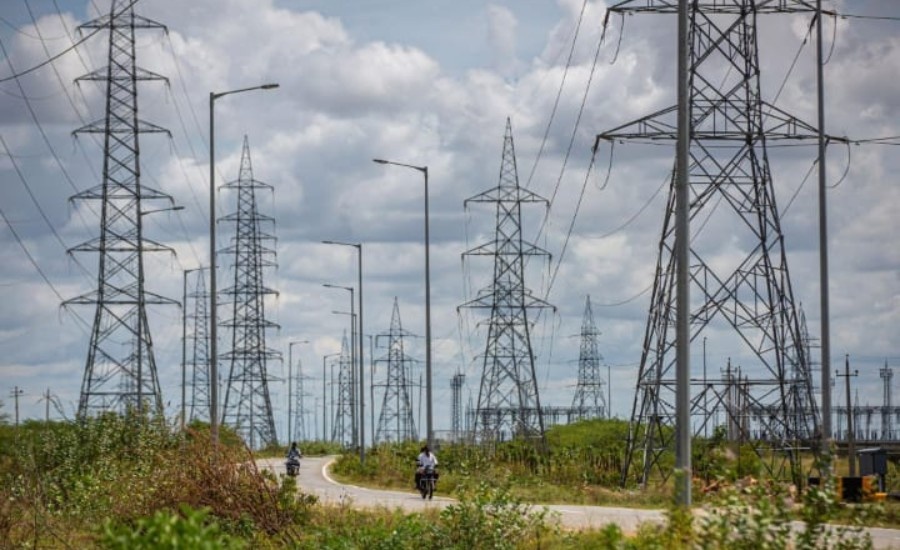
The proposal comes as India’s renewable energy projects that have faced commissioning delays due to the non-availability of transmission infrastructure. The draft regulations are intended to address these infrastructure-related challenges and encourage timely deployment of clean energy projects.
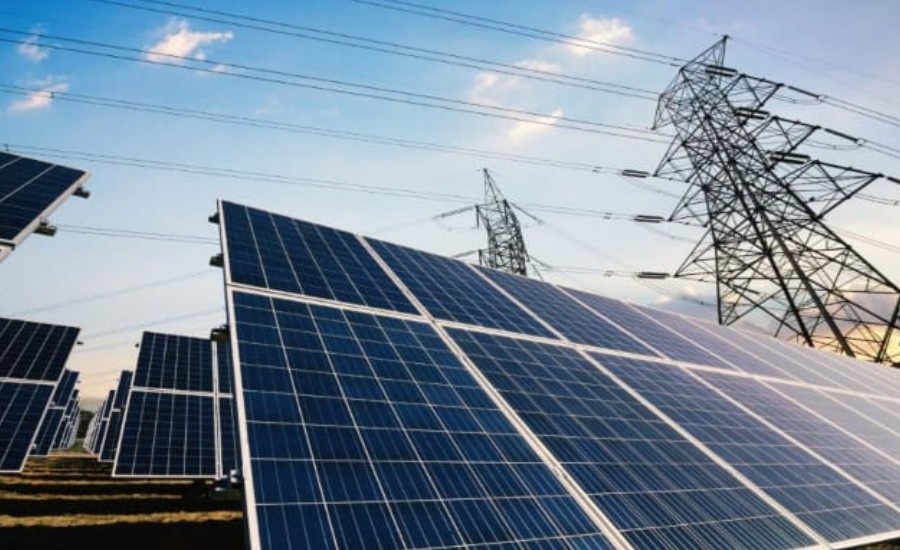
The move also comes shortly after Reuters reported that India curtailed about 8,133 GWh of solar power during the April–June 2026 quarter because of transmission constraints and grid security requirements, highlighting the need for stronger evacuation infrastructure.
Draft Regulations Open for Consultation
The draft regulations have been issued for stakeholder consultation and will be finalised after considering comments received during the consultation process. If approved, the proposal is expected to:
- Reduce financial uncertainty for renewable energy developers.
- Strengthen investor confidence.
- Facilitate faster integration of renewable energy into national grid.
- Support India’s broader goal of expanding renewable energy capacity.
- Improve overall grid infrastructure.
Key Highlights
- Proposed ISTS charge waiver for solar, wind and hybrid renewable energy projects delayed due to unavailable transmission infrastructure.
- Battery Energy Storage Systems (BESS) linked to eligible projects will also receive the proposed waiver.
- Projects must have Power Sale Agreements (PSAs) of at least seven years signed by 31 December 2026.
- The proposal comes amid transmission bottlenecks that have affected renewable energy integration.
- The draft regulations are open for stakeholder consultation before finalisation.