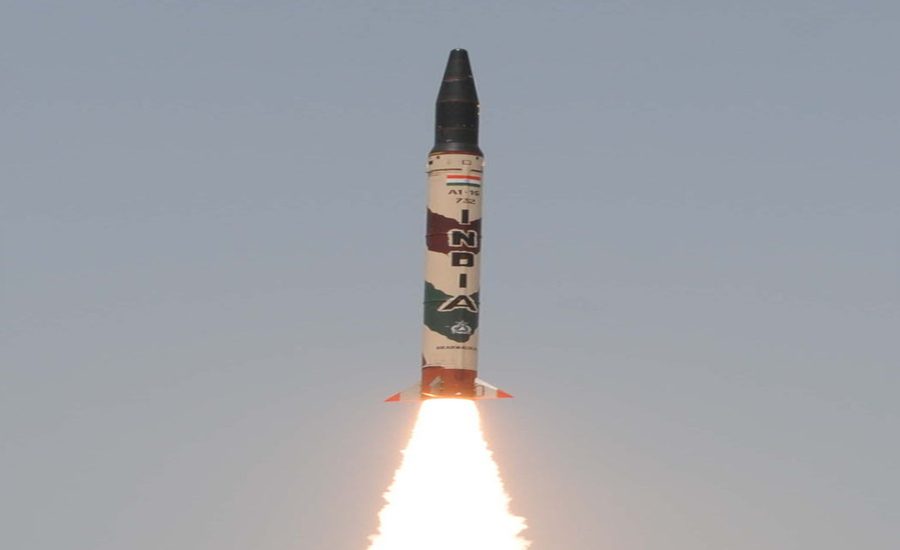
Odisha: India has successfully conducted a test launch of the Agni-1 short-range ballistic missile from the Chandipur coast in Odisha. The test, carried out under the supervision of the Strategic Forces Command and DRDO, confirms India’s growing strength in missile technology and defence readiness.
Key Highlights of Agni-1 Missile Test
- Missile: Agni-1 (Short-Range Ballistic Missile)
- Location: Chandipur, Odisha (Integrated Test Range)
- Conducted by: DRDO & Strategic Forces Command (SFC)
- Range: Up to 2,000 km
- Launch Type: Rail-based mobile launcher
- Tracking: Ground-based tracking systems
- Result: Successful, all objectives achieved
Read also: What is ULPGM-V3 Missile? DRDO’s New Missile That Can Destroy Tanks and Drones
- India tested the Agni-1 missile successfully from Odisha’s coast.
- The test was conducted under real operational conditions.
- All technical and operational parameters were validated.
- The launch was monitored by official defence teams and scientists.
Agni-1 Missile Test: Official Confirmation
- According to the Ministry of Defence, the test met all mission goals.
- The missile was tracked by multiple ground stations.
- Officials called it a “textbook launch” with perfect performance.
What are the Features of Agni-1 Missile
- Range: Up to 2,000 km
- Capable of carrying various payloads
- High mobility with rail-based launch system
- Quick reaction capability
- Advanced communication and protection systems
Why Rail-Based Launch Matters in Agni-1 Missile Test
- Can move across long distances using railway networks
- Improves strategic flexibility
- Allows quick deployment in different locations
- Enhances survivability in conflict scenarios
Strategic Importance
- Strengthens India’s nuclear deterrence capability
- Improves second-strike capability
- Places India among advanced missile nations
- Boosts indigenous defence technology (Make in India)
Read also: Inside HAL G3INS Hub: How India Is Building GPS-Resistant Defence Technology