New Delhi: India is preparing to significantly increase the manufacturing capacity of the Astra missile, its indigenous Beyond Visual Range Air-to-Air Missile (BVRAAM), as the Defence Research and Development Organisation (DRDO) plans to bring private companies into the production ecosystem.
The move comes at a time when regional security threats are increasing and the Indian Air Force (IAF) is looking to strengthen its long-term missile stockpile and combat readiness.
What is Real Reason of Astra Missile Manufacturing Expansion Plan
According to defence reports, DRDO is working on a new manufacturing strategy that will allow private defence firms to participate alongside Bharat Dynamics Limited (BDL), which currently serves as the primary production agency for Astra missiles.
Read also: DRDO Stealth Cruise Missile for AMCA: Features, Impact, and Latest Updates
Key reasons behind the decision include:
- Growing regional military threats.
- Lessons learned from the Russia-Ukraine conflict.
- Increased demand for large missile inventories.
- Faster replenishment of precision-guided weapons during wartime.
- Need to reduce dependence on a single production line.
Defence experts believe future conflicts may become long and resource-intensive, making industrial production capacity just as important as battlefield strength.
What Is the Astra Missile?
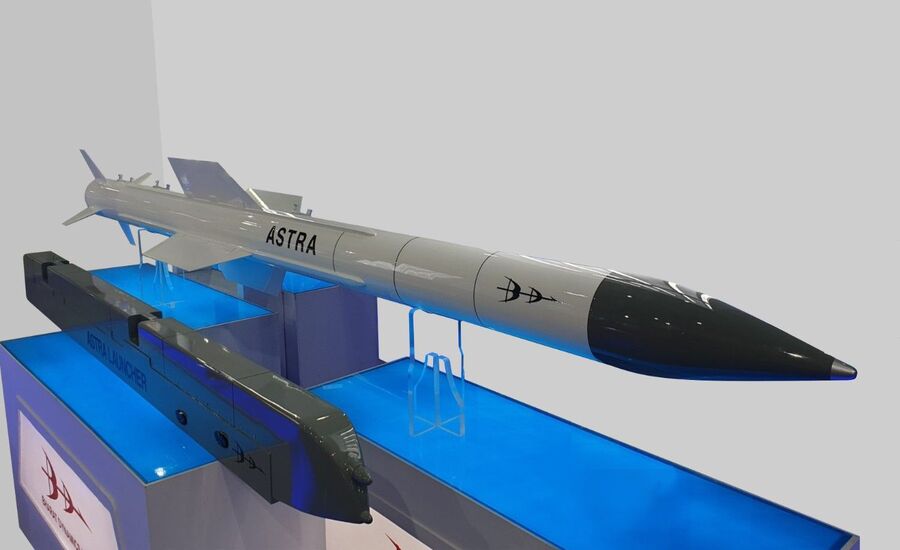
The Astra missile is India’s indigenous Beyond Visual Range Air-to-Air Missile developed by DRDO for the Indian Air Force and Indian Navy.
What are the Features of Astra Mk-1 Missile
- Range: Around 80–110 km
- Speed: Up to Mach 4.5
- All-weather operational capability
- Designed to destroy highly manoeuvrable enemy aircraft
- Compatible with Su-30MKI, Tejas and other fighter aircraft
India has already approved large-scale production of Astra Mk-1 missiles, with previous orders worth nearly ₹2,971 crore placed through Bharat Dynamics Limited.
Astra Missile Manufacturing Expansion Plan: Private Companies May Join
Sources indicate that DRDO has been encouraged to license selected missile technologies to private companies. Similar models have already been used in programmes such as Rudram-1, anti-ship missiles and other indigenous defence systems.
Benefits of private sector participation include:
- Higher production rates.
- Reduced delivery timelines.
- Stronger supply-chain resilience.
- Lower manufacturing costs through economies of scale.
- Improved export opportunities.
The move is also aligned with India’s “Make in India” and “Atmanirbhar Bharat” defence goals.
Astra Mk-2 and Future Missile Demand
The expansion plans are closely linked to the upcoming Astra Mk-2 programme.
Reports suggest:
- Astra Mk-2 could have a range exceeding 200 km.
- The missile will feature improved propulsion and seeker technology.
- The IAF may require hundreds, and potentially over 1,000 missiles across future variants.
- Future Astra Mk-3 versions are expected to offer even longer engagement ranges.
With growing operational requirements, a single production agency may not be sufficient to meet demand, prompting DRDO to explore multiple manufacturing partners.
Regional Security Concerns Driving the Move
India’s defence planners are closely monitoring evolving security developments across the region.
Recent reports point to:
- Expansion of missile and rocket capabilities in neighbouring countries.
- Increased emphasis on long-range precision warfare.
- Need for sustained ammunition reserves during prolonged conflicts.
- Greater focus on indigenous defence preparedness.
Officials believe a larger domestic missile manufacturing ecosystem will improve India’s ability to rapidly replace weapons during emergencies and maintain combat readiness.
Boost for India’s Defence Manufacturing Sector
The Astra expansion plan is expected to become another major milestone in India’s defence industrial growth.
Industry analysts say the initiative could:
- Create opportunities for private defence firms.
- Strengthen indigenous missile production.
- Increase defence exports in the future.
- Improve technological self-reliance.
- Support long-term military modernization.
Read also: What is ULPGM-V3 Missile? DRDO’s New Missile That Can Destroy Tanks and Drones