New Delhi: India is moving towards expanding private-sector participation in missile manufacturing, with the Astra Mk2 and Pralay missile production emerging as important priorities. The move aims to increase domestic manufacturing capacity, reduce pressure on state-owned Bharat Dynamics Limited (BDL), and support India’s growing defence export ambitions.
The initiative is part of India’s wider effort to strengthen its defence industry and make the country a major global supplier of advanced indigenous weapons.
Why India Wants Private Companies for Missiles Manufacturing
India’s defence forces need a growing number of advanced missiles to strengthen their operational capabilities. At the same time, international interest in Indian-made weapons is creating additional demand.
Read also: This Missile Can Destroy Lahore from New Delhi
Bharat Dynamics Limited (BDL), a major public-sector missile manufacturer, is facing production capacity constraints due to domestic requirements and export commitments.
To address this challenge, the government is looking to involve more private companies in missile manufacturing. This could help increase production, improve delivery timelines and create a stronger defence manufacturing ecosystem.
Astra Mk2 Missile: A Major Priority For India
The Astra Mk2 is an advanced Beyond Visual Range (BVR) air-to-air missile developed by the Defence Research and Development Organisation (DRDO).
It is designed to engage enemy aircraft from long distances, allowing Indian fighter pilots to attack aerial threats without needing to get close to them.
The missile is reported to have a strike range of approximately 180–200 kilometres. It uses an advanced propulsion system and modern guidance technology to improve its ability to engage aerial targets.
The Astra Mk2 is expected to strengthen India’s ability to counter long-range air-to-air missiles, including China’s PL-15 family.
Fighter Aircraft Expected To Use Astra Mk2
The missile is planned for integration with several Indian fighter aircraft, including:
- Su-30MKI fighter aircraft.
- Tejas Mk1A.
- MiG-29 fighter aircraft.
- Rafale Marine aircraft.
Its integration with these platforms could significantly improve India’s air combat capabilities.
Private Defence Companies May Enter Astra Mk2 Missiles Manufacturing
The government is preparing to expand Astra Mk2 manufacturing by inviting private-sector companies to participate in production. Major Indian industrial groups expected to show interest include:
- Tata Group
- Adani Defence
- Bharat Forge
- Mahindra Group
- ICOMM
Their participation could increase manufacturing capacity and help meet the requirements of the Indian Armed Forces. However, the final selection of production partners will depend on the government’s procurement process and applicable technical requirements.
Pralay Missile Production Also Set For Expansion
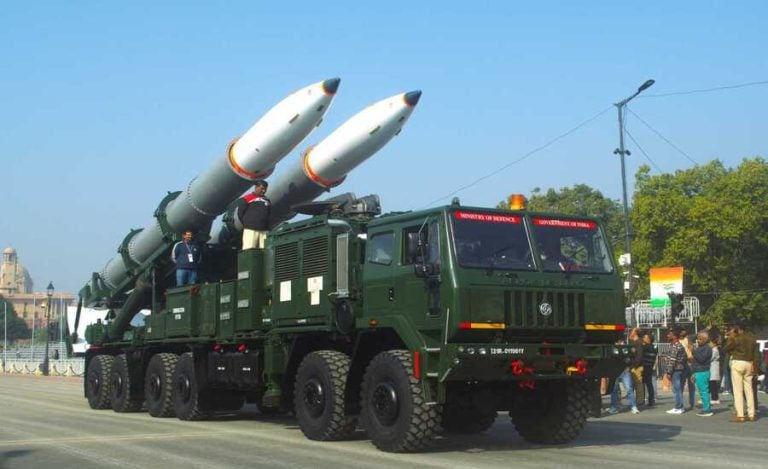
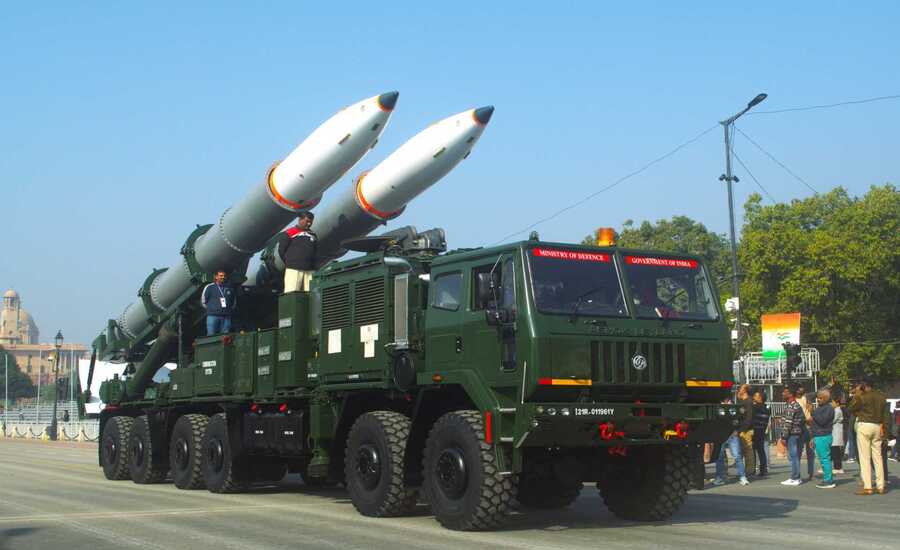
After Astra Mk2, the government is also looking to expand private-sector participation in the production of the Pralay tactical ballistic missile.
Developed by DRDO, Pralay is an indigenous, surface-to-surface quasi-ballistic missile designed to destroy important enemy military targets.
The missile has a reported strike range of 150 to 500 kilometres and can carry a conventional payload of approximately 500 to 1,000 kilograms.
It uses solid-fuel propulsion and advanced guidance systems to improve accuracy and battlefield effectiveness.
Why Pralay Is Important For India’s Defence Forces
Pralay is designed to provide the Indian Armed Forces with a powerful conventional strike capability.
It can target important military installations, command centres, air defence systems and other battlefield infrastructure.
The missile is also expected to become an important part of India’s developing conventional rocket and missile capabilities.
Expanding its production could help the armed forces receive more missiles within shorter delivery timelines.
DRDO’s Technology Transfer Policy Supports Private Industry
India’s plan to increase private-sector missile production is supported by a wider policy change.
In August 2026, Defence Minister Rajnath Singh approved the transfer of technology for DRDO-developed conventional missile systems to Indian defence industries.
The decision aims to allow qualified private companies to manufacture indigenous missile systems under applicable technical, certification and regulatory requirements.
This policy is expected to strengthen cooperation between DRDO, public-sector companies and private manufacturers.
It also aims to increase domestic manufacturing, reduce dependence on foreign suppliers and create more opportunities for Indian companies.
FAQs
The Pralay missile has a reported strike range of 150 to 500 kilometres. It is an indigenous, surface-to-surface quasi-ballistic missile designed to destroy important enemy military targets.
The Astra Mk2 is reported to have a range of approximately 180–200 kilometres. It is a Beyond Visual Range air-to-air missile developed by DRDO to engage enemy aircraft from long distances.
Major Indian companies that may participate include Tata Group, Adani Defence, Bharat Forge, Mahindra Group and ICOMM. Their final participation will depend on government procurement decisions and technical requirements.